Malavika Velayanikal · · 3 min read
Uber and I get a 3-week reprieve in Bangalore
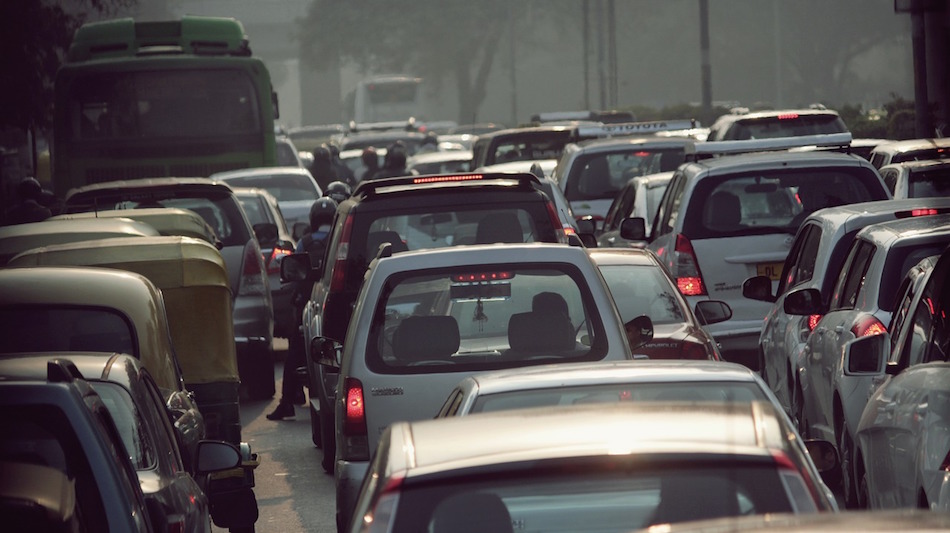
Photo credit: Pixabay.
The last few days were tense for me, and for a weird reason too. Every time I opened the Uber app to head out for a meeting, I got a “No cars available” message. Many of my best-laid plans went awry because of that.
Many drivers had taken their cabs off the road fearing harassment by police following a transport authority notice to Uber to stop operations until it obtains a ‘cab aggregator’ license. It was a pain for regular users like me who’ve come to rely on Uber for moving about in a convenient and affordable way in a city where transportation is a big problem.
On Sunday evening, I was stuck by a busy road for half an hour and arrived late for a talk as one auto-rickshaw after another refused to take my fare. They prefer passengers who want to take long rides, and my destination did not suit them.
That’s why it’s a relief that the state high court told the authorities last evening not to take any coercive action against Uber, until the licensing issue is resolved in court.
On Uber’s part, it has assured the court that surge pricing, which is a bone of contention, will be put on hold. The next hearing is set for June 20. So, after a four-day hiatus, Uber cabs were back to running normally in Bangalore today.
“The Karnataka High Court has directed the cab operators not to demand surge price from commuters, and we as the government agency will honor the ruling of the court, asking us not to impound cabs affiliated to Uber and Ola for plying without license,” State Transport Commissioner Rame Gowda told the Press Trust of India.
See: I fell for Uber because I didn’t – and still don’t – have better options
Caught between a rock and a hard place
Photo credit: Pixabay.
Police have been imposing hefty fines on drivers and even seizing cabs working with Uber and its Indian rival Ola. One Uber driver told me he doesn’t know which way to turn – Uber tells him the new license is under dispute, and the police tell him to ask Uber for the license.
Commuters, meanwhile, have to turn to capricious auto-rickshaws or the overloaded public transport system. Either that, or bring out their own cars and bikes on to the already jammed roads. Public buses and trains do not run on all routes. The task of figuring out connections and coordinating one’s work schedule to the public transport system’s timings require a certain degree of street smarts – many commuters, including me, are not good with that.
This latest standoff between taxi-hailing apps and transport authorities follows an Indian government advisory [PDF link] to state transport authorities for “licensing, compliance, and liability of on-demand information technology-based transportation aggregators.” This was meant to evolve new regulatory provisions suitable for ride-hailing platforms instead of trying to force them to conform to the old rules for taxi operators.
However, when the Karnataka transport authority came out with new licensing regulations for ‘cab aggregators’ in April, Uber immediately filed objections. These relate to surge pricing being disallowed, a requirement to install fare meters just as in regular cabs, and several other provisions.





Stay updated on the go with our mobile app.
Get latest insights with smoother, more personalized experience through TIA mobile app.