Shihan Fang · · 6 min read
Circle to tap high demand in Asia for digital dollars, says chief strategy officer
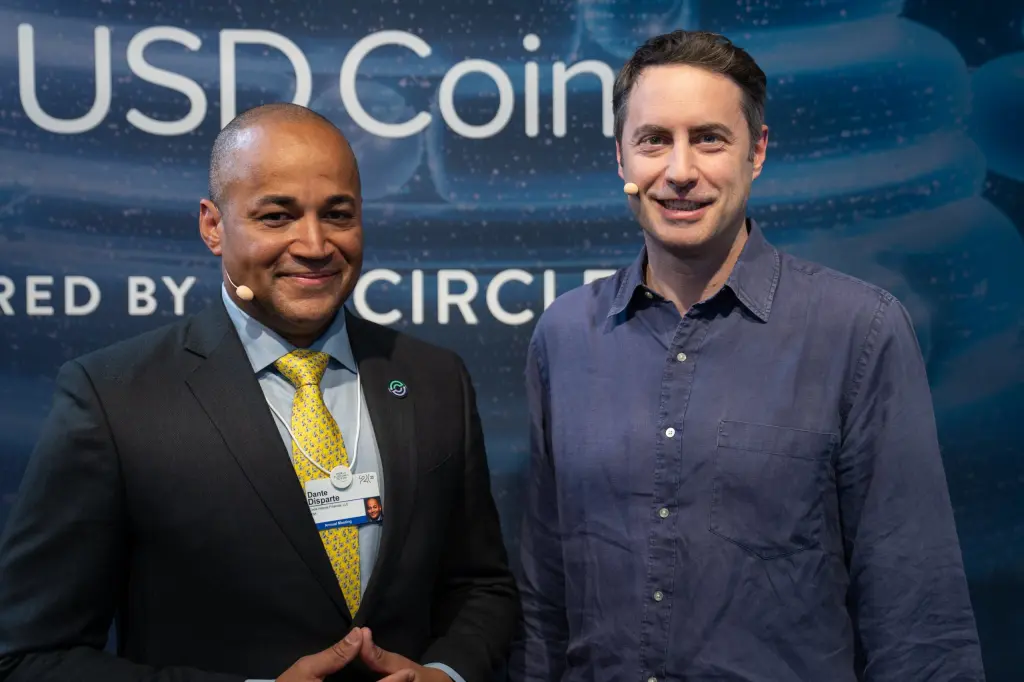
Dante Disparte, Circle’s chief strategy officer and head of global policy, is unfazed by the Binance USD (BUSD) crackdown on February 13, which has thrown US stablecoin issuers into a spate of regulatory anxiety. He also doesn’t see Kraken’s staking program closure on February 10 as an indication that US regulators are turning hostile to crypto.
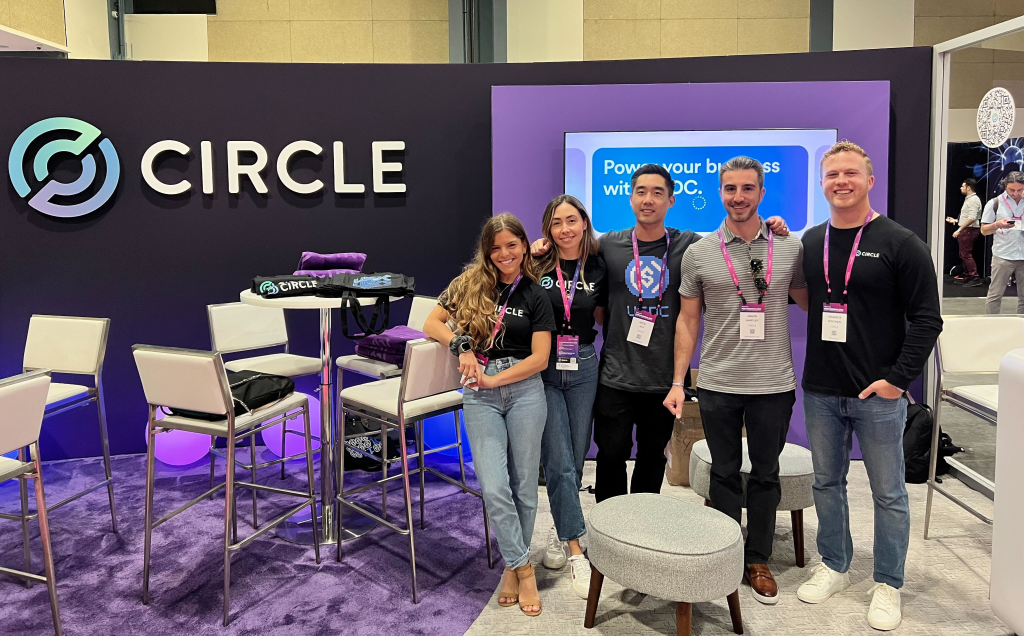
Circle team / Photo credit: Circle
“This is a long-standing posture among many jurisdictions around the world that is only now starting to manifest itself with harsher enforcement action,” says Disparte, citing his prior experience as a founding executive of Meta’s (then known as Facebook) Libra project, which was called off after facing internal strife and regulatory pushback.
Disparte intends to play by those rules, even if they are imperfect and discordant for now.
“Any crypto project that tries to take a shortcut, as opposed to playing the long game, is facing a very high and very predictable degree of business risk,” he says. He emphasizes that the current financial rules exist for good reason: to ensure consumer protection, fiduciary obligations, mitigation against bank-like risks, and prevention of financial crime.
“As crypto goes from fringe finance to potentially a core part of the global financial system, respecting that reality is going to be really important.”
We didn’t blow the whistle on BUSD
Circle, the issuer of the world’s second-largest stablecoin by market capitalization, the USD Coin (USDC), is known for being more pro-regulation than the average crypto company. The firm strictly adheres to licensing regimes in the jurisdictions where it operates, and has published monthly attestation reports of its reserves since 2019.
The contents of its reserves today are also considered to be the safest in the market today – some say even more so than Tether, the issuer of leading stablecoin USDT. Tether was found to have insufficient reserves to back its coins in several instances.
The USDC reserves comprise 20% US dollars and 80% treasury bills, while its sister token Euro Coin (Euroc) is backed purely by euros, according to the coins’ latest attestation reports.
Circle’s pro-regulation stance has attracted detractors and conspiracy theorists on crypto twitter, who allege that the company is trying to take out its rivals by working with the US Securities and Exchange Commission.
The narrative resurfaced again on February 13, when Bloomberg reported that Circle had blown the whistle on BUSD in the fall of 2022. According to an unnamed source cited in the report, Circle had complained to the New York Department of Financial Services that Binance didn’t have enough reserves to back up its B-peg BUSD tokens.
BUSD remains the third-largest stablecoin in the world despite its market capitalization declining by almost half compared to before the crackdown.
Disparte denies that Circle had any involvement in the BUSD sanction.
Strong demand for digital dollars in Asia
Stablecoins as the internet of payments
Going mainstream





Stay updated on the go with our mobile app.
Get latest insights with smoother, more personalized experience through TIA mobile app.