Social networks like WeChat and Weibo have generated an online content boom in China – anyone can set up an account and share their thoughts with a wide audience. Now authorities want to slow it down.
The Cyberspace Administration of China said yesterday that authorities have shut down more than 9,800 social media publishing accounts in a special clean-up operation, beginning in late October.
WeChat and Weibo, two of the most popular social networks in China, were both given “serious warnings” about the “chaos” caused by their lack of management, the statement says.
The statement says that the scrubbed accounts allegedly include those that spread “politically harmful” information, fabricate rumors with sensational headlines, spread vulgar and pornographic content, and engage in extortion and plagiarism.
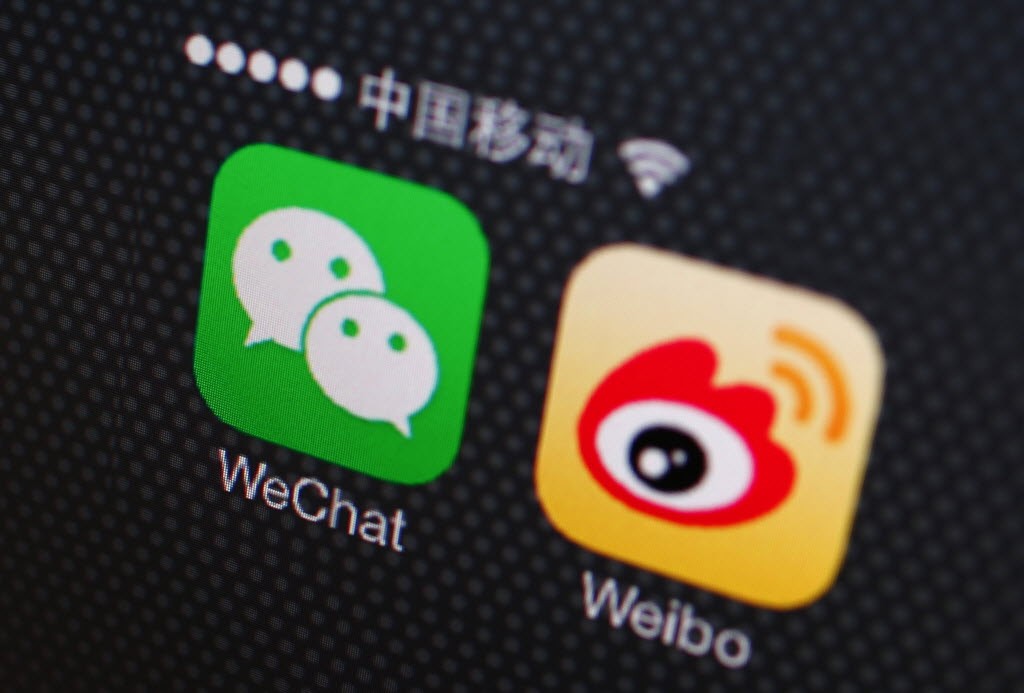
Just like Facebook in the West, social networks have become a primary news source for internet users in China. WeChat, for example, has over 10 million public accounts that regularly publish content on the platform. Some of them are established news organizations, and some are referred to as “self-media” – individuals and amateurs that publish only on these social networks.
State media have repeatedly lashed out at “self-media” during the campaign. State-owned Legal Daily reported last week that some regularly blackmail companies with threats of bad press, asking for as much as millions of yuan (or hundreds of thousands of US dollars).
The same was reported by a CCTV segment, which says that some of these accounts don’t have an “ethical bottom line.” People’s Daily also asked for stricter regulations, suggesting that authorities create a credit system for the self-publishers.
In reaction to the campaign, WeChat and Weibo both said they’ll be more active in regulating their platforms.
“I don’t like Fu Shouer’s style and logic,” one user says on Weibo, referring to one of the most talked-about accounts banned this time, “but it’s really scary that a person’s right of speech online is just gone like that.”
But a lot of people are also applauding the crackdown, saying that they have been troubled by fake news produced by these types of accounts. “This is long overdue,” one Weibo user says.





Stay updated on the go with our mobile app.
Get latest insights with smoother, more personalized experience through TIA mobile app.










📅 Upcoming Events
22 October 2026
Payoneer x CSPN Summit 2026