
The mobile phone is slowly becoming one of the hottest marketing platforms.
From simple SMS advertising, mobile advertising has slowly evolved to support location-based advertising.
SMS advertising is known to be an intrusive push advertising strategy. Location-based advertising, on the other hand, employs a pull strategy; allowing users to voluntarily obtain promotional messages based on their location (say within 500m radius).
While it sounds all rosy, does location-based advertising really benefit businesses? Below, we play both the angel and the devil to help you gain a more holistic view on this subject.
Location-Based Ads: Great For Restaurants
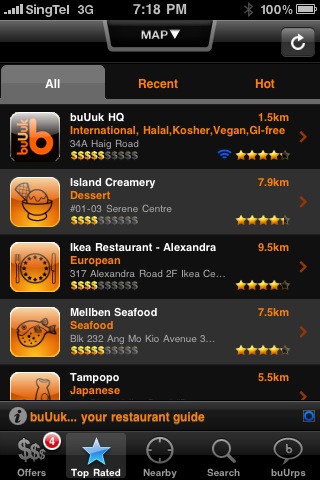
Imagine yourself in the city of Singapore and have no idea where to dine. In that case, location-based restaurant ads could come in handy. BuUuk, a location-based food app is a great example. It provides food ratings, reviews and exact locations of the restaurants. But what if you’re not looking to dine? Can retail stores benefit from location-based ads? It is probably not as effective. Maybe an app that informs us about promotions nearby might be welcomed. Like any other marketing channels, the effectiveness varies with the nature of the business.
We don’t check location-based ads that often

There are several location-based advertising applications available, but besides showing what’s available nearby, along with its offers, there isn’t any other motivation to use the apps. If they don’t add much value to the users, usage rate and your ads impressions would be low.





Stay updated on the go with our mobile app.
Get latest insights with smoother, more personalized experience through TIA mobile app.