Meghna Rao · · 6 min read
The massive agritech sector in India awaits some startup love

Photo credit: Rajarshi MITRA.
There’s an article making the internet rounds this week on the “reductive seduction of other people’s problems”. It’s well-written and articulate, with a simple thesis statement: there are many people who enter different countries with the intention of solving problems. Most of these people have no idea what these problems are.
These ideas usually come from the West, where solutions have been created to fit developed economies. With no awareness of the depth and complexity of the problems that people in other cultures face, these answers end up being blanket solutions that are “reductionist”, make molehills out of mountains, and create a bigger mess than what was originally there.
If we extrapolate this theory into the world of startups, it takes on an entirely new meaning. The taxi-hailing, grocery delivery, and ecommerce startups that have sprouted in India, exciting as they’ve been, have all been clones of Western models that largely target the urban, upper middle class.
The rest of the country have had neither the means nor the reason to use these startups. Those that have attempted to work with the “next 500 million” – as in the next batch of non-mainstream internet users entering the fray – don’t receive much funding or traction. When they do, they often fall into the category of the “reductionist” startups that the author of the article talks about.

Photo credit: Akarsh Simha.
One that comes to mind is a water filter company that sold its products for low prices on monthly installments to villages in rural Bhubaneshwar. The founders came back after a year to see their products in disrepair because, while customers understood the importance of clean water, nobody had educated them thoroughly on usage and maintenance. Both the startup and the customers had wasted their money, and the founder laughed as he recalled the shock he felt when he saw one of the filters being used to house old goods.
When the new year arrived and those in the startup ecosystem turned to each other to ask what the trend would be for India in 2016, the most-repeated answer was “India-specific startups.” Those businesses would presumably tap right into the very soul of the country. Still, when I asked around, nobody seemed to know exactly what these were.
Agriculture is India’s biggest employer
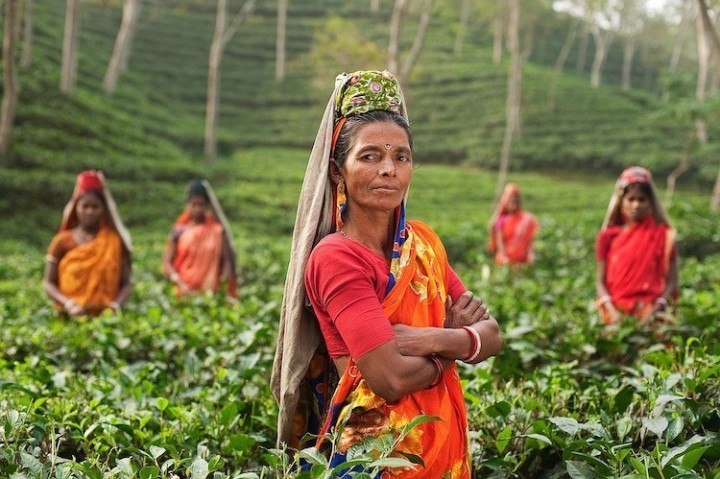
Photo credit: Pixabay.
Although agriculture in India is an unimaginably huge sector – it’s the largest producer of milk, the second largest producer of sugar, and the largest importer of pulses – farmers are one of the most misunderstood and marginalized groups in the country. The average farm household makes INR6,426 (US$95) a month with nearly 50 percent in debt. There were 12,360 recorded cases of farmers committing suicide in 2014, with more than half of these happening in the state of Maharashtra, home to the country’s financial capital, Mumbai.
Two years ago, I met the founder of an agri-tech startup who had launched a business to connect small and medium farmers in India with new technology. When I met him again a few months later, he explained to me that, exhausted after three pivots, he had decided to shut his business down. He had made too many assumptions about the farmers in India, he explained. Those who wanted new technology had already found access to it, and others couldn’t afford it. The key takeaway that he left me with was that there were a rare few who understood agriculture, and an even rarer few who were interested in making a startup out of that idea.
That’s why, when I first encountered KisanServ, an auction marketplace connecting produce sellers with buyers, I was wary of its business plan. “When my co-founder first pitched the idea to me, I asked him one thing,” co-founder Niranjan Sharma told me. “I wanted to know: Is it really a pain point or is it just your perception? We went to the local mandis (farmers’ markets where bidding for produce usually happens) and spent eight months just observing and talking to people to find out what they wanted. After eight months, I realized that this was a real issue.”
Why not agritech?





Stay updated on the go with our mobile app.
Get latest insights with smoother, more personalized experience through TIA mobile app.