- Premium Content It takes our newsroom weeks - if not months - to investigate and produce stories for our premium content. You can’t find them anywhere else.
 Gabriel Budi Sutrisno · · 7 min read
Why Traveloka may have been wise to give up SPAC route
When the SPAC market was ultra hot, Indonesia’s Traveloka was among several notable firms in the region that planned to ride the wave.
In April, the country’s leading travel unicorn was in advanced talks with Bridgetown Holdings, a special purpose acquisition company backed by billionaire investors Richard Li and Peter Thiel, to go public. By merging with Bridgetown, Traveloka could boost its valuation to US$5 billion.
But just a few months later, Traveloka hit the brakes on its SPAC plan. The company, however, says that it remains committed to its IPO goal and is pondering different options.
Going public is “a natural evolution” for Traveloka, given its “position as a category leader and aspirations to grow the business further,” says Reza Amirul Juniarshah, the company’s head of corporate communications. He adds that Traveloka continues to be “well-capitalized” while it assesses its options.
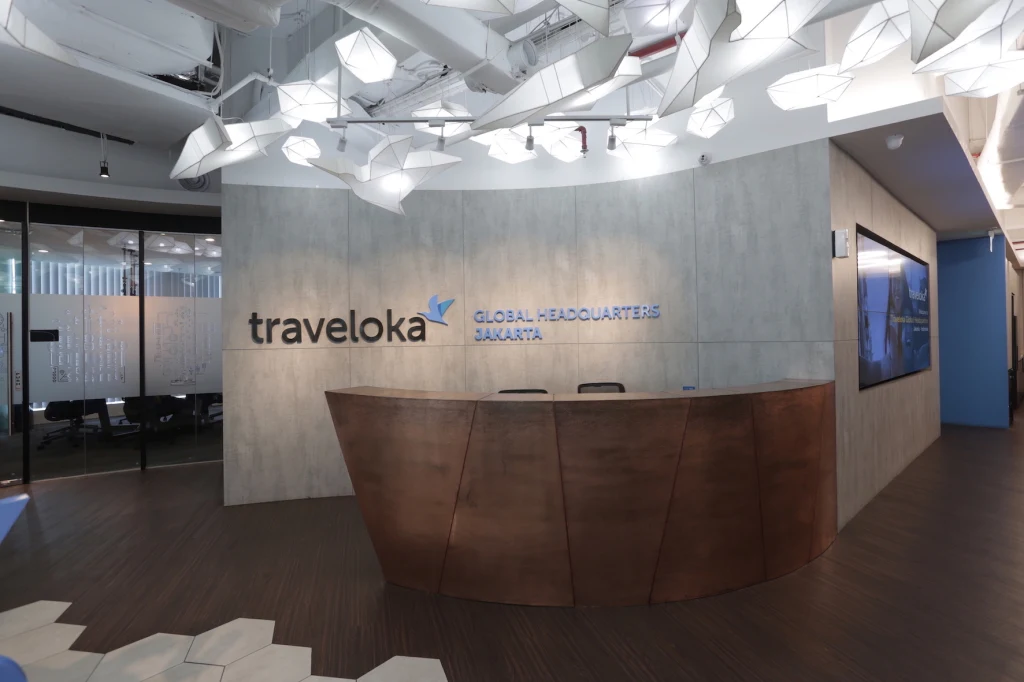
Photo credit: Traveloka
Perhaps it’s still early to say that interest in SPACs has subsided. Notably, super app Grab did a US listing via this route, and more are considering doing the same.
It’s clear, though, that the hype has abated from the heights it reached in early 2021. And for Traveloka, following the conventional IPO route might be a good thing, after all.
“I think taking the SPAC route to the market is a flawed way to bring your company to the public market,” says Angus Mackintosh, an equity analyst at CrossASEAN Research. “It is basically a shortcut to the market without going through the normal IPO process, which [would require you] to disclose much more and be much more open.”
Market changes, downsides
SPACs or blank-check firms are not new, points out Joel Shen, head of tech at the law firm Withers. These entities were popular in the early to mid-2000s for the same reason they are popular now: They offer an easy, cheaper, faster way to the public markets.
But then investors lost money, and SPACs fell out of favor for about a decade, Shen adds.
To be sure, there are certain differences between then and now. Most importantly, the latest SPAC sponsors – the likes of Li and Thiel – are considered “better quality” compared to those from the mid-aughts.
But the reasons behind the dip in enthusiasm are similar. “Investors think that valuations are high, or they are not convinced by the quality of target businesses,” explains Shen.
A more pivotal reason, however, was when the US Securities and Exchange Commission (SEC) reclassified SPAC warrants as liabilities earlier this year. (In the SPAC market, investors usually receive both common stock and warrants that allow them to buy the shares in the future.)
“This altered the fundamental economics of a SPAC,” observes Shen. Instead of making a one-time equity valuation, SPACs would need to account for warrants as debt every quarter – a process costly enough to make SPACs less attractive.
Internal circumstances
Where to go from here?
Stay ahead in Asia’s tech landscape
This is premium content. Subscribe to read the full story.
The company remains committed to going public, and given the waning enthusiasm for SPACs, a traditional listing might be the best path to take.
We know this is not ideal. ⌛ Sign up in 20 seconds. Cancel anytime.
Our subscriber community includes professionals from these companies:





Stay updated on the go with our mobile app.
Get latest insights with smoother, more personalized experience through TIA mobile app.