David Corbin · · 4 min read
How a former venture capitalist is rebuilding Japan’s disaster region, one entrepreneur at a time
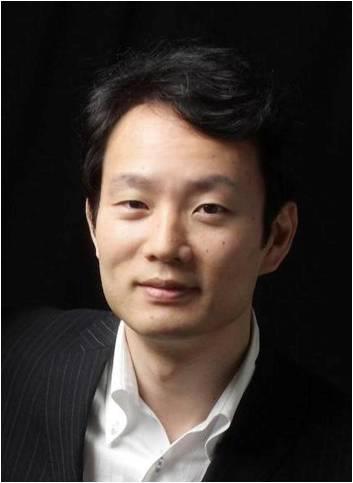
Tomohiro Takei
Brick and mortar can rebuild a city, but construction alone will not save it. Following the horrific earthquake, tsunami, and nuclear disaster that ravaged the Tohoku (northeastern) region of Japan in 2011, building crews canvassed the area trying to set right what nature had grievously ruined. While Sendai, the most populous, bustling city in the area, was undergoing its own physical restoration, a small team assembled there to form an organization called Makoto. Their mission? Find, nurture, and accelerate local entrepreneurs to the global stage.
“At Makoto, we do not care about IPOs. We are targeting entrepreneurs who will change the world for the better,” says Tomohiro Takei, a founding member and the president of Makoto. Takei is a widely-known figure in Tohoku. With years of experience at a biotech startup (he has a PhD in biology) and the venture capital firm Tohoku Innovation Capital Corporation, he is a familiar face for many companies in the region.
Unlike Tokyo, which has a glut of startups building apps targeting well-trod industries like social, entertainment, and ecommerce, Tohoku’s top startups tend to distinguish themselves through cutting edge tech and hardware. Takei and Makoto advise many of them, either in an official capacity or just in the spirit of community support.
Highlights include Material Concept, which creates a copper paste used in solar panels that does not degrade the silicon frame, Tess, which has developed a wheelchair that rehabilitates people with leg injuries, and Spiber, a team that figured out how to produce synthetic spider silk. By and large, Tohoku-based companies have not received much in the way of funding. Makoto works with them to refine and improve their business plan while connecting them with potential clients and investors.
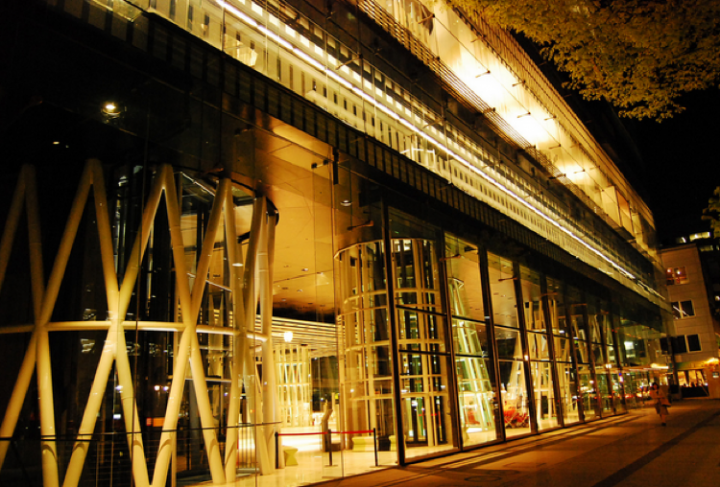
The Sendai Mediatheque, a library known for its technical innovation
Building from the feet up
Takei’s team is concerned with more than just the rising stars. They are seeking to act as a foundation for anyone with the desire to become an entrepreneur. Cocolin is a new co-working space, a short 15-minute walk from Sendai’s central train station. With a combination of 55 teams and solo entrepreneurs using it, the building is almost at capacity. Monthly fees range from US$100 to US$300. Makoto also sponsors a program called Challenge Star, a crowdfunding platform for small projects.
Makoto is not building this community alone. A steady stream of funds have come in from Tokyo firms looking to make charitable contributions. It also has a strong partnership with the Impact Japan Foundation, an organization dedicated to supporting free thinkers in Japan and linking them together. It is currently building a state-of-the-art facility in Sendai that could be the region’s answer to the Osaka’s Innovation Hub.
The link extends to Silicon Valley as well. Anis Uzzaman, co-founder and CEO of Fenox Venture Capital* recently donated the proceeds of a Japanese book he wrote on entrepreneurship to the Impact Japan Foundation, with the expectation that the three organizations will develop a Tohoku fellow program. The partnership will give Makoto a bridge into Silicon Valley to complement the entrepreneurship program created by the US Embassy and Japan’s Ministry of Economy, Trade, and Industry.
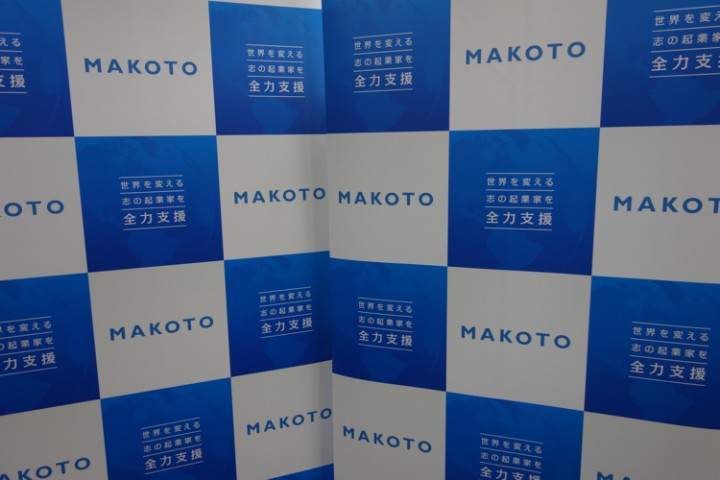
Makoto’s banners in the office.
The importance of kokorozashi





Stay updated on the go with our mobile app.
Get latest insights with smoother, more personalized experience through TIA mobile app.