- Premium Content It takes our newsroom weeks - if not months - to investigate and produce stories for our premium content. You can’t find them anywhere else.
 C. Custer · · 5 min read
Facing slowing growth, WeChat wants some TikTok energy
The following is a combined, adapted translation of two articles written by Huang Youcan. You may read the original articles on SinaTech and on Aitvr.com.
Earlier this month, WeChat made an announcement that caused widespread grief in a number of industries that rely on its social reach and viral power.
WeChat stated it has banned “enticement marketing” in the messaging app’s social feed, Moments, so that public brand accounts can no longer offer promotions, enticements, or rewards aimed at getting users to share ads in their friend circles.
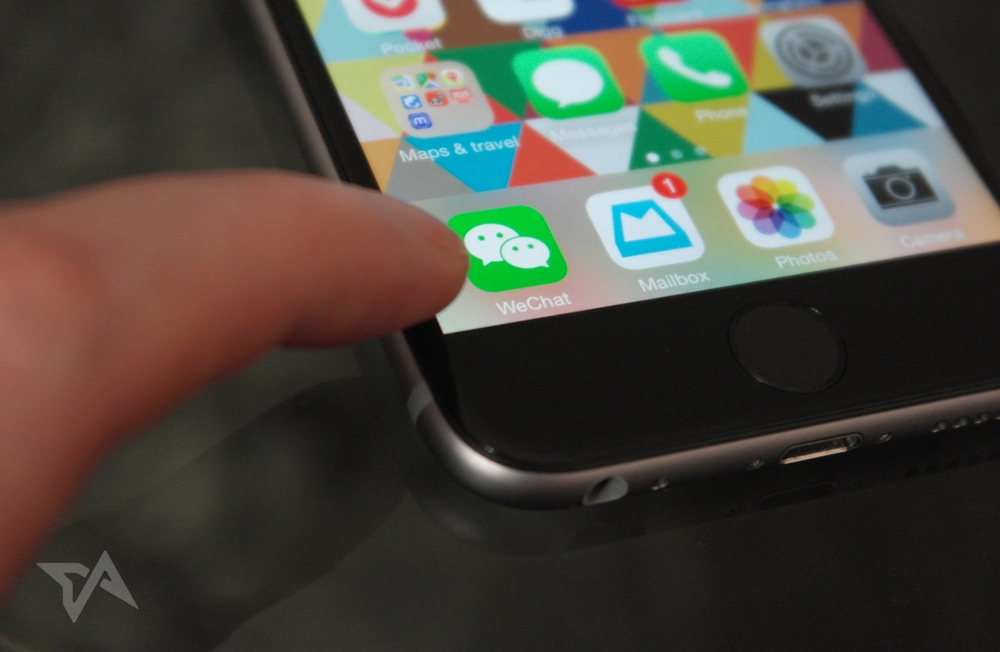
Photo credit: Tech in Asia
The ban is thorough, and outlaws cash, physical, and virtual rewards as well as lotteries [i.e. “Share this and increase your chances of winning a prize”] and a number of other marketing gimmicks aimed at getting ads into people’s social feeds.
WeChat has also cracked down on pay-for-knowledge schemes marketing and soliciting payments in friend circles. It has even shut off some sharing links for apps on its own open platform.
As an entrepreneur and a “Big V” [popular verified user], I’d like to share some of my thoughts on the thinking behind this shift.
Spam ban
First: WeChat’s ban on marketing in friends circles is exactly what I expected, and I’ve been saying that this should happen for one to two years now.
WeChat is an ecosystem product now, and it has already entered a period of maturity. Along with that comes a decline in its statistical performance and increased threats to its top products. But the company still believes that “positive social relationships” are key to the app’s continued survival.
Looking at things from the perspective of WeChat management then, it makes sense to block anything that might influence these relationships. Marketing and growth operations techniques (and those who rely on them) on WeChat will suffer as a result.
Second: From the perspective of operations and marketing, there are several different “traffic pools” to tap into within the WeChat ecosystem. Of these, friends circles and private traffic are almost certainly now no-fly zones, but there may be some room for marketing via the WeChat community traffic pool. Even so, the trend of “fission growth” on social that has proliferated in operations and marketing over the past two to three years is likely to come to an end. There may still be some room to squeeze some traffic out of WeChat, but overall, it’s a closed-off source now.
Third: I think that parent company Tencent now has a clear idea of its position and future strategy with regard to marketing in WeChat’s ecosystem. There may be some room to operate in personal accounts and communities within the app, but the company will continue to crack down on excessive marketing.
Creating great content that exists outside of users’ friend groups may still work, but other than that “screen marketing” and promotional techniques that make use of friend circles may gradually disappear.
China’s social media giant has issued a strong signal: WeChat itself will control traffic distribution abilities within friends circles and from public accounts. It is likely to expand its own commercialization efforts using this power, so there will likely be more and more official ads – purchased through WeChat – in friends’ circles, and the threshold for placing these ads will be lower and lower.
TikTok goes the clock
Stay ahead in Asia’s tech landscape
This is premium content. Subscribe to read the full story.
That’s why WeChat is doing some spring cleaning.
We know this is not ideal. ⌛ Sign up in 20 seconds. Cancel anytime.
Our subscriber community includes professionals from these companies:





Stay updated on the go with our mobile app.
Get latest insights with smoother, more personalized experience through TIA mobile app.