 Josh Horwitz · · 5 min read
Ads, games, and gimmicks: peering into the future of WhatsApp and Facebook
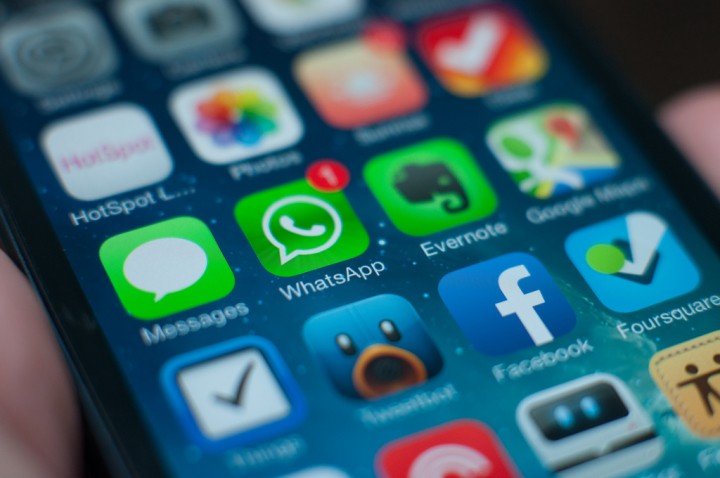
Facebook’s purchase of mobile messenger WhatsApp for $19 billion marks an interesting contradiction. Facebook, as a business, supports itself from advertising. As the social network continues to increase its revenues, its advertising grows more and more obtrusive, looking less native and more forced.
Meanwhile, WhatsApp and founder Jan Koum have bucked industry trends and remained staunchly anti-advertising as their app explodes in popularity. Competing messaging apps like Line and WeChat have bombarded users with ads (sorry, “direct marketing”), games and stickers and raked in boatloads of revenue as a result. WhatsApp, meanwhile, by charging $1 a year for an annual subscription, is estimated to have earned a paltry $20 million in revenues during 2013.
Why would Facebook buy a startup that not only isn’t making much money (by Facebook standards), but has openly expressed an aversion to the very essence of Facebook’s business model?
There could be one of two answers to this question: It’s possible Facebook recognizes WhatsApp’s massive potential for revenue generation and wants to remake it in its own image. Alternatively, it simply wants to rope more smartphone users into the Facebook ecosystem – which now includes a newsreading app, a photo-sharing app, a now-redundant messenger, and Facebook proper.
If we peer into our crystal ball and speculate what WhatsApp might look like in a year or two from now, two opposing scenarios emerge. Let’s run through both of them at their most extreme.
Scenario one: It was all a dream
That whole “no ads, no games, no gimmicks?” Nonsense. “No ads, no games, no gimmicks” was a gimmick itself. WhatsApp was always meant to be a plain-Jane messenger, unburdened by whiffs of cuteness or niche marketing, and ripe for acquisition by whichever tech firm got rich enough to buy it. Investigative journalists discover Jan Koum never grew up in the Soviet Union. That was just a creative embellishment to the now-mandatory “startup founder story.” His real name is Jani Koumberg and he grew up in Cherry Hill, New Jersey.
Facebook eats up WhatsApp and spits it back out. The Facebook Messenger mobile app is killed off and WhatsApp gets renamed to Facebook WhatsApp. Official Facebook pages (the ones that you “Like”) get ported over to the mobile Facebook WhatsApp. Now, every time George Takei posts a meme, you can view it on Facebook WhatsApp. Facebook WhatsApp also comes equipped with a kickass browser. Stickers? Yeah, they’re coming too. And they cost $0.99 cents a pop.
Facebook takes inspiration from LINE and begins charging entities for access to official accounts. Not a ton of money, just a little. It finds that it can maximize revenues from this channel by separating Facebook Page holders into categories – corporations, media organizations, small businesses, hobbyists, etc. – and charging accordingly. Marc Jacobs will have to pony up if it wants to send out messages on Facebook WhatsApp. Takei and the meme guys can do it for free.
Facebook starts to feel the heat from messaging apps like Line, WeChat, and Kakao Talk, which by now have each consolidated dominance throughout East and Southeast Asia. “We’re losing our users’ attention,” says Zuckerberg during a heated meeting at Facebook’s office in Hyderadad. In a desperate bid to win back users in Asia, Facebook goes head to head with its competitors by doing what they’re doing – selling stuff. Lots of stuff. Bind your bank card to Facebook WhatsApp and you can purchase the pair of Timberland boots that you first spotted the company’s Facebook WhatsApp account. Zuckerberg wants these products to be better, cooler, and cheaper than anything you can find on Line or WeChat. And they’re available for purchase only on Facebook WhatsApp.
Scenario two: WhatsApp stays buttoned-up
Months have passed after the acquisition, and not much has changed. WhatsApp still has 55 engineers and works out of an unmarked office in Mountain View.
Messenger is still around. So is Instagram. So is Paper. So is Facebook-as-we-know-it. Zuckerberg built up a small suite of social apps that operate more-or-less independently. His company earns money from advertising – or something that looks like something else, but is really just advertising.
Paper has a cool new “share to WhatsApp” feature. So does Instagram. “Share to WhatsApp” buttons also start appearing on various websites, right next to ones for Twitter, Reddit, LinkedIn, and Facebook.
WhatsApp users in Europe keep using WhatsApp. LINE users in East Asia keep using LINE. Folks in the US finally start shifting away from traditional SMS and towards either Facebook Messenger, WhatsApp, or Kik. Zuckerberg sheds no tears over the mobile messaging craze in Asia. Facebook-the-social-network remains the best and most widely-used tool available for expressing oneself to a wide audience. Facebook is for baby photos, political rants, and looking cool in front of everyone you know. Line and WeChat can’t really do that.
What’s really gonna happen?
(Top image via Flickr user janpersiel)




Stay updated on the go with our mobile app.
Get latest insights with smoother, more personalized experience through TIA mobile app.









📅 Upcoming Events
22 October 2026
Payoneer x CSPN Summit 2026