Josh Horwitz · · 5 min read
Outlier Linguistics is teaching what most Chinese courses don’t – how characters work
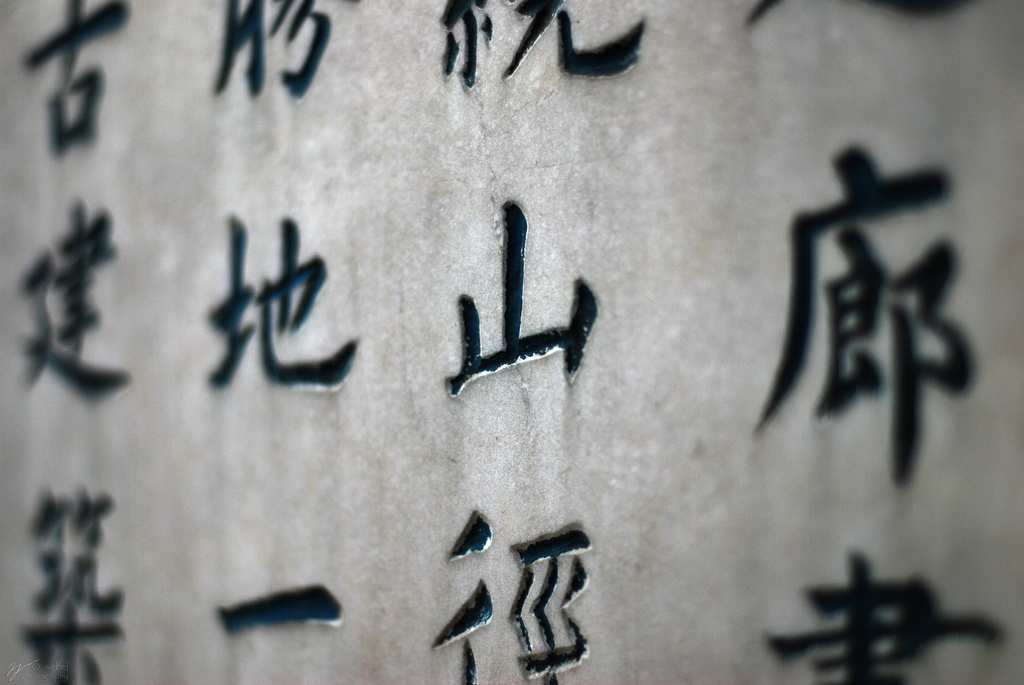
As more and more students begin learning Chinese in high school and college, the hotshot foreign Mandarin speaker is no longer that rare. But many of the best Chinese speakers will admit that their understanding of characters – the visual building blocks of the language – is quite poor. Run into them at a bar, and they’ll explain to you how 車 means “cart.” But why does it show up in 軍 or 輕? Does “cart” have a “field” (田) inside of it?
These are the questions that Outlier Linguistics wants to help students answer. Based in Taipei, the team is building a very special kind of dictionary – one that’s for characters, not words (there’s a difference), and one that’s for language learners rather than academics (there’s a huge difference).
Outlier offers a dictionary that breaks down characters into “components” rather than radicals. It identifies which components give the character its sound, which ones give it meaning, and how the multiple components function together.
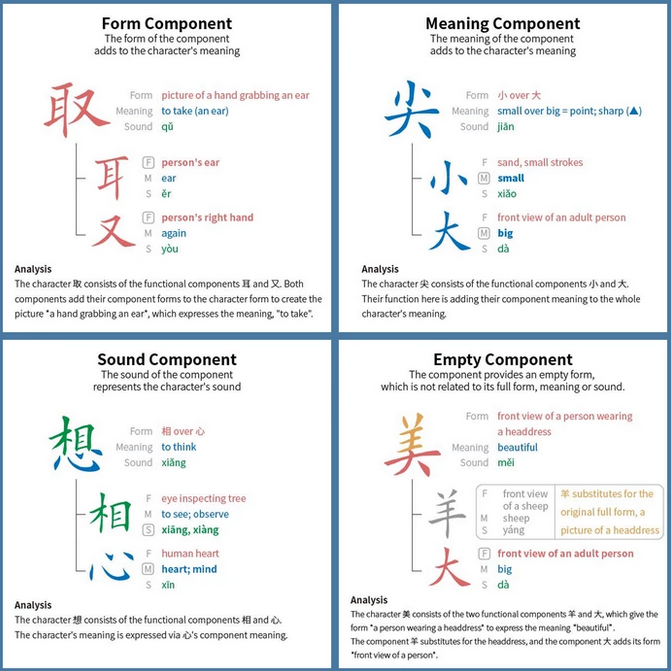
In an upgrade addition, Outlier will also reveal tidbits about the history of each character and component. The team aims to provide students enough paleography to aid with memorization. But they also hope it will be valuable to scholars who want accurate information compiled in an indexed format.

If this is all Greek to you, here’s what you need to know: Outlier dives through boring books and parses through esoteric, messy research about Chinese linguistics and paleography. It then makes this information accessible to language learners who just want to remember the characters for “pepper” or “driver’s license.” Language learners need this information in order to learn characters efficiently and accurately – which isn’t always easy.
“One professor told us that we’re basically trying to tell the truth about Chinese characters,” says Ash Henson, co-founder of Outlier. “That’s a pretty accurate summary.”
Outlier is looking to raise US$75,000 on Kickstarter. The funding will primarily go to data entry – specifically, Outlier needs to hire people to input all of the research inside boring books into a database, which can then be parsed through as the dictionary entries get perfected.
For the love of the language
Outlier’s founders have each done their time in universities, but they are language learners first, academics second. Ash Henson is an engineer by training whose love for languages led him to spend nine years in Taiwan, ultimately getting into a PhD program at National Taiwan Normal University. John Renfroe studied film scoring at Berklee before arriving in Taiwan to cram characters, ultimately earning a spot at a master’s program at NTNU’s Department of Chinese. Christian Schmidt completed a BA and MBA in Taiwan, and like Renfroe and Henson, he spent many years in Taiwan practicing, practicing, and practicing.





Stay updated on the go with our mobile app.
Get latest insights with smoother, more personalized experience through TIA mobile app.