- Premium Content It takes our newsroom weeks - if not months - to investigate and produce stories for our premium content. You can’t find them anywhere else.
 Peter Janssen · · 4 min read
Thailand’s food delivery sector nears consolidation
When SCB X – the largest financial group in Thailand – decided recently to reverse plans to shut down the loss-making food delivery platform Robinhood due to interest from potential buyers, the move suggested that some consolidation could be in store for the sector.
However, it’s still uncertain if a knight in shining armor will show up to rescue Robinhood.
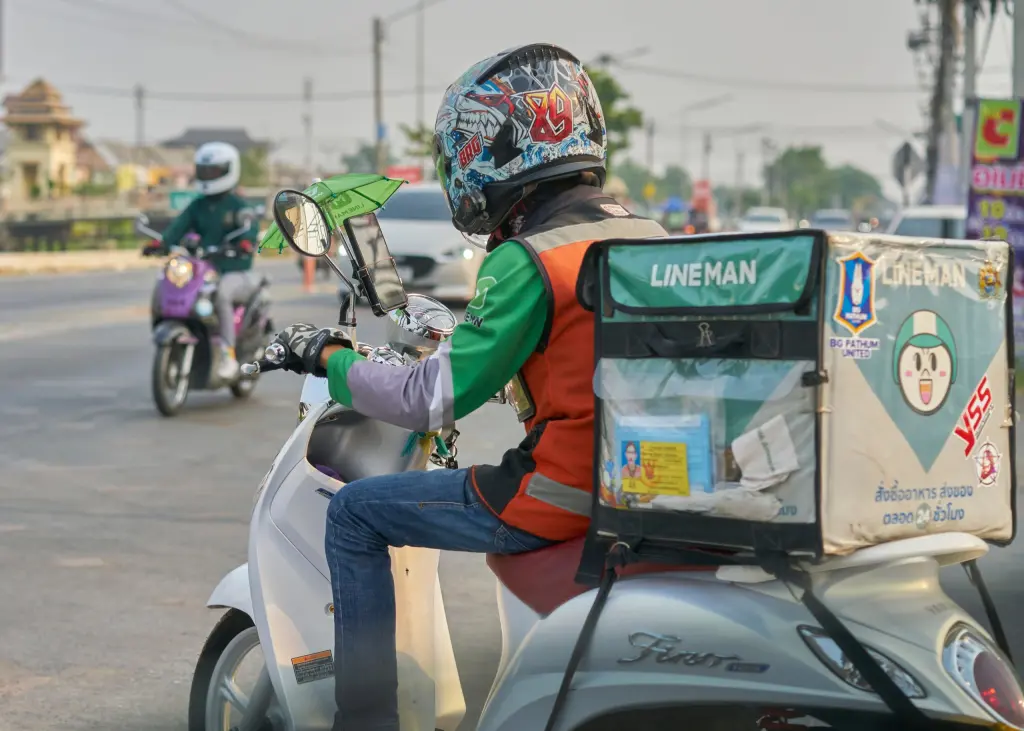
Photo credit: John And Penny / Shutterstock
Industry players say that Thailand’s food delivery sector might be headed for some restructuring and mergers as more companies vie for dominance.
“I believe firmly that the market will consolidate for food delivery, and once it does, all the major players will be quite profitable,” says Yod Chinsupakul, CEO of Line Man Wongnai, one of the top food delivery service providers in Thailand.
He tells The Business Times in an interview that only two or three food delivery platforms are likely to survive due to the strong network effect.
See also: Line Man Wongnai looks beyond food delivery in quest to become the GoTo of Thailand
“If you have more market share, there are more orders, which enables you to have lower costs. The [biggest expenditure] of food delivery is logistics costs, so if you have greater density, it’s a shorter distance to pick up and send food,” he explains.
Food delivery boom
In late June, SCB X – the holding company of Siam Commercial Bank – revealed its intention to cease operations of Robinhood in end-July, following more than four years of losses estimated at over 5 billion baht (US$141 million).
On deadline day, however, the banking group decided to soldier on, citing interest from several suitors to take over the unprofitable app.
Robinhood is one of the four major food delivery platforms that grew exponentially in Bangkok during the stay-at-home Covid-19 period from 2020 to 2022. They continue to play a major role in Thailand’s vast and fast-changing restaurant industry.
The boom in food delivery services began before the pandemic in 2019 when GET Food – a joint venture between Thai investors and Indonesia’s Gojek – entered the space. At the time, the Thai public were growing more accustomed to online delivery services.
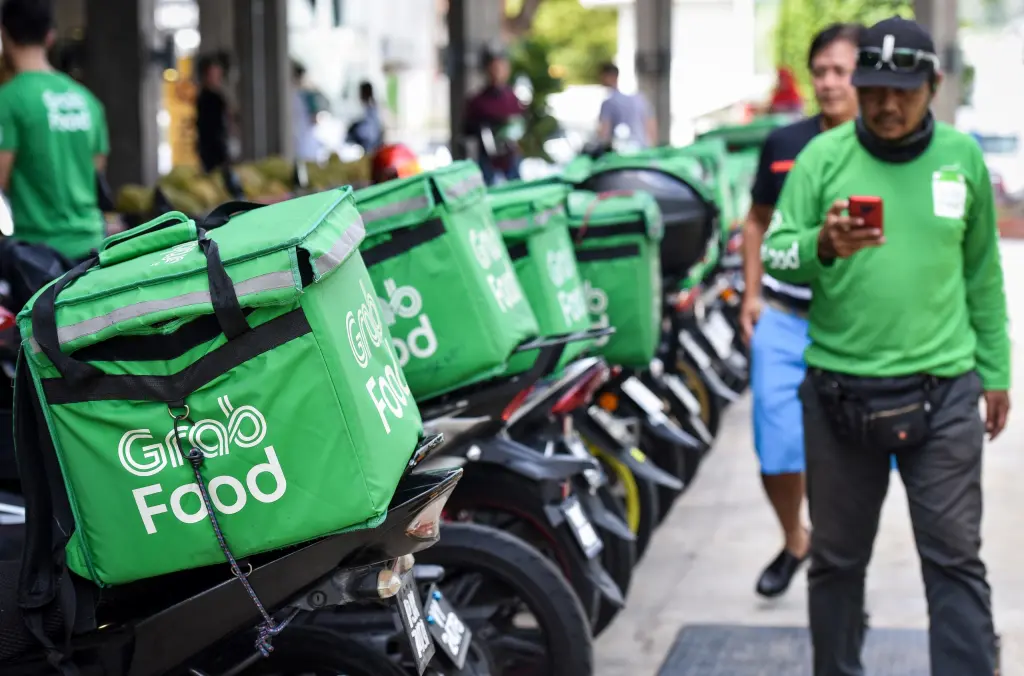
Grab (Thailand) is the only profitable food delivery platform in the country. / Photo credit: Hafiz Johari / Shutterstock
Hungry for profit
Stay ahead in Asia’s tech landscape
This is premium content. Subscribe to read the full story.
Line Man Wongnai CEO Yod Chinsupakul believes that only two or three food delivery platforms are likely to survive.
We know this is not ideal. ⌛ Sign up in 20 seconds. Cancel anytime.
Our subscriber community includes professionals from these companies:





Stay updated on the go with our mobile app.
Get latest insights with smoother, more personalized experience through TIA mobile app.