Dear readers,
In Tech in Asia’s top story last week, our Indonesia journalist Putra Muskita mapped out the crisscrossing alliances that are forming in Indonesia. It’s probably the biggest overarching development in the Southeast Asian tech scene, given the high stakes involved.
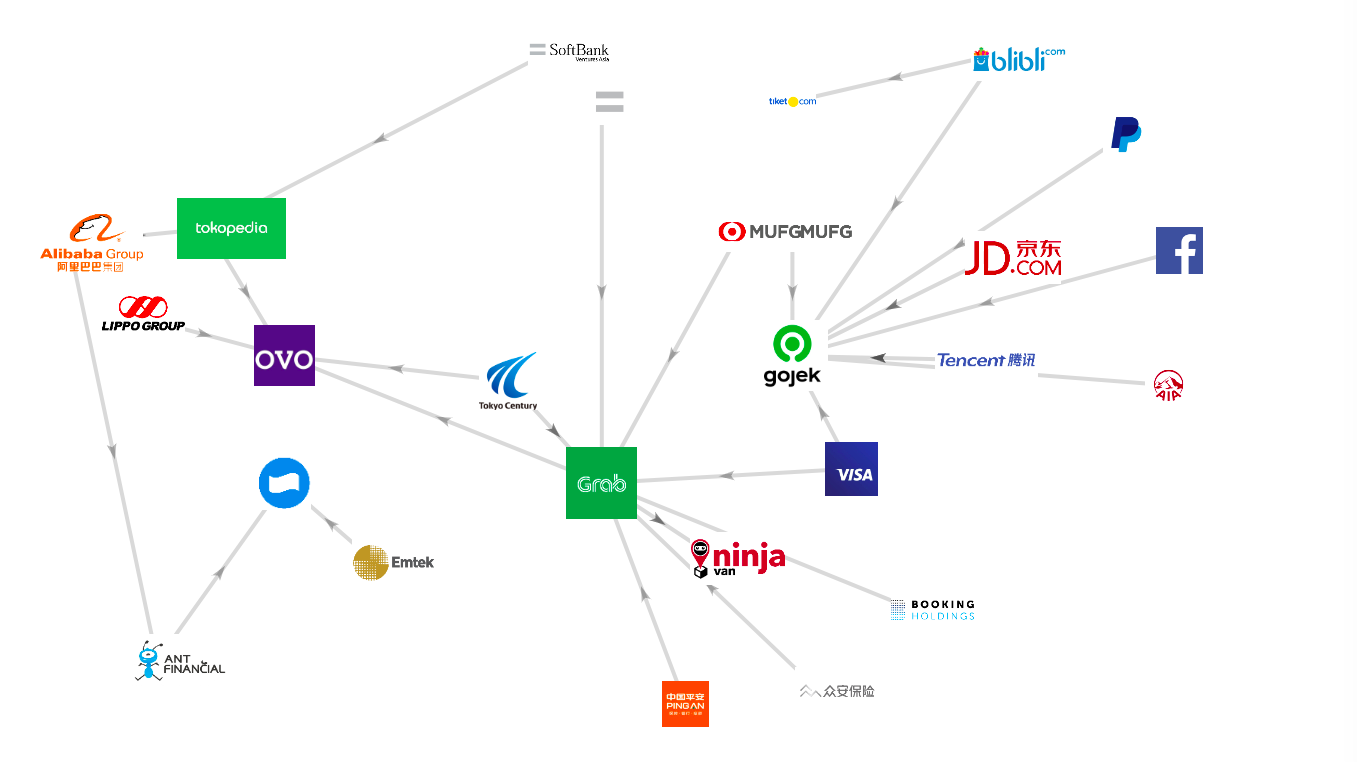
A pattern emerges from this chart. On Gojek’s side, you have Tencent, Facebook, and Google, which all do one thing incredibly well: capturing the attention of consumers and monetizing it.
But while Facebook and Google primarily leverage content creators for their own benefit, Tencent is a different beast: It owns the platforms and, in some cases, makes the content too.
Coincidentally, we’ve devoted plenty of editorial space to Tencent last week, which is appropriate – its stock price is hitting an all-time high.
Our China reporter Nicole Jao explained the Chinese giant’s “dog-eat-dog” gaming empire and how fierce internal rivalries have worked well for it.
Our Singapore-based reporter Joseph Gan, meanwhile, dove into the music streaming dance-off between Spotify and Tencent’s Joox, and we found out how their paths are diverging: Spotify is doubling down on podcasts, while Joox now also functions as a social karaoke app.
We capped off the week by looking at Tencent’s decision to buy the struggling video-streaming site Iflix and how this is part of its big regional push into original content.
Tencent’s interest in content extends beyond the company and into its investees. Sea, which is killing it right now in the stock market, has a successful gaming business in Garena.
Meanwhile, whereas Grab has stayed away from being involved directly in content, Gojek has raised money for its spinoff video streaming business. Further distinguishing it from its rival, Gojek even has a division that caters to gamers, though it stops short of making actual games.
Tencent, it seems, isn’t just going after any kind of content. In response to chatter about how ByteDance’s TikTok is dominating the short video genre, it said this during an earnings call:
Many observers question the role of high-quality content, given the recent boom in user-generated content such as mini videos. We believe high-quality content has enduring and persistent appeal, providing users with education, lifelong bonding experiences, immersion, and stimulation in a way that is difficult for short-form user-generated content to match.
Tencent also claims that short videos don’t cannibalize long-form formats:
While short and mini videos have captured significant time spent, we believe it was mostly additive to Internet time spent, as opposed to taking time away from high-quality content. The length of user time spent on high-quality content, such as professional sports, esports, and popular drama series, continues to show healthy growth trends.
As Alibaba and Tencent duel for dominance in Southeast Asia, it seems ByteDance is getting into the mix as well.
With ByteDance’s interest in ecommerce and how it’s at loggerheads with Tencent over so many areas, perhaps it would become bedfellows with Alibaba?
We’ll find out how this unfolds. In the meantime, you can stay abreast of tech trends in Asia by subscribing to Tech in Asia.
I’ll see you next week.
Cheers,
Terence
Chief Editor
Stay updated on the go with our mobile app.
Get latest insights with smoother, more personalized experience through TIA mobile app.
Recommended reads
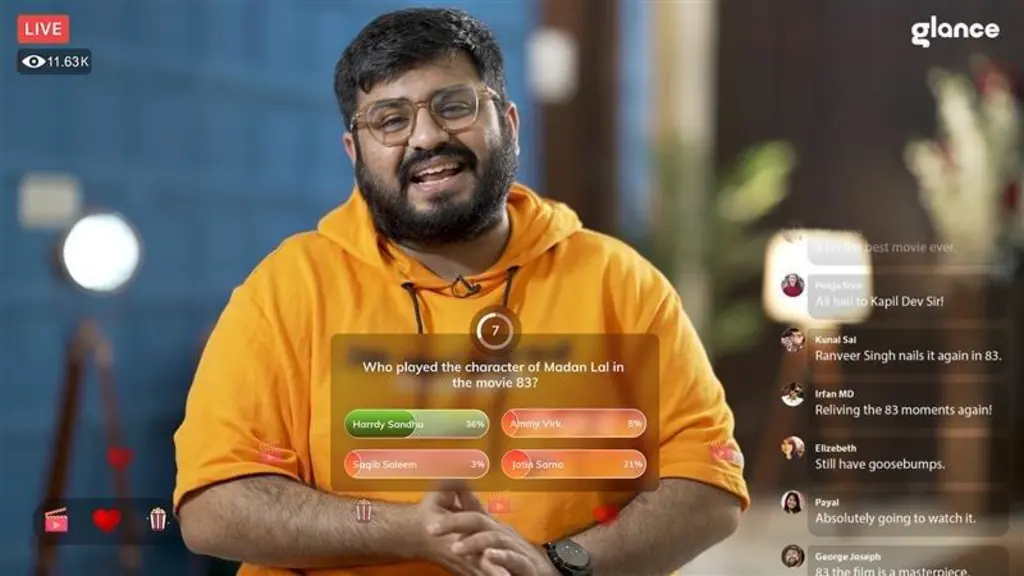 InMobi unit rolls out interactive platform for Android TV screens
 Tencent shuts down Twitch-like platform
 Deep Dive: What’s going on with India’s OTT platforms
 High-voltage drama in the world’s fastest-growing video-streaming market
 Line launches NFT marketplace in Japan
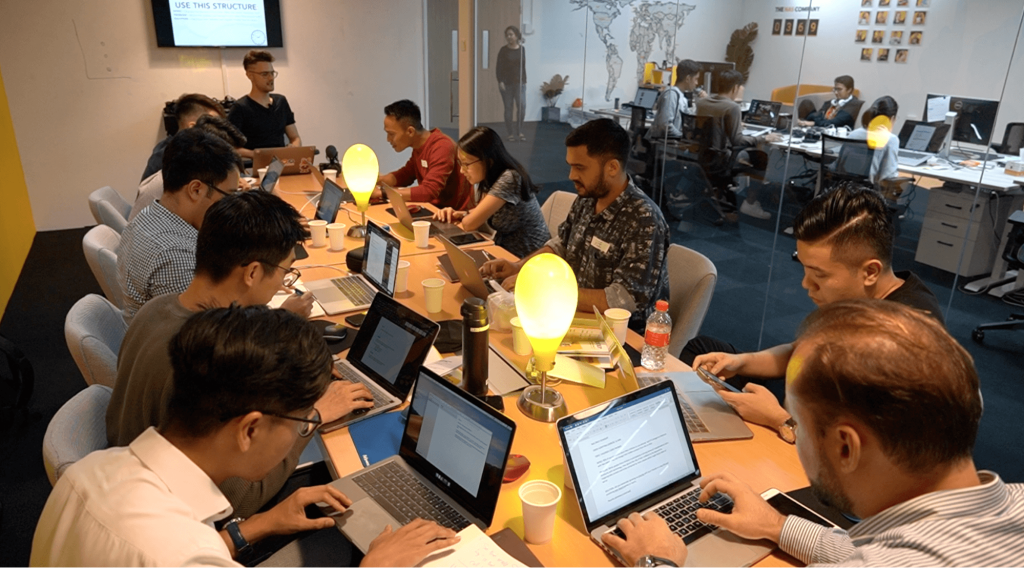 Nas Academy, Invisible College to launch NFT-based Web3 classes
 Grab partners with Nas Academy to groom 100 aspiring content creators in SEA
 20 fresh tech and startup jobs in Asia this week
 Naver Z teams up with Thai telecom giant to build global metaverse hub
 Two execs leave Chinese TikTok rival Kuaishou





Editing by September Grace Mahino
(And yes, we’re serious about ethics and transparency. More information here.)




📅 Upcoming Events
22 October 2026
Payoneer x CSPN Summit 2026