- Premium Content It takes our newsroom weeks - if not months - to investigate and produce stories for our premium content. You can’t find them anywhere else.
 Peter Janssen · · 5 min read
Thailand widens EV perks as Japan-China auto rivalry accelerates
With auto sales plunging by more than 25% amid geopolitical headwinds and regional rivals nipping at its heels, Thailand is racing to secure its status as Southeast Asia’s electric vehicle hub, rolling out broader tax incentives to keep both Chinese and Japanese carmakers onside.
The Thai government recently sweetened the pot of tax and other incentives to cover all types of EVs, including hybrid EVs (HEVs), plug-in hybrid EVs (PHEVs), and mild hybrid EVs (MHEVs).
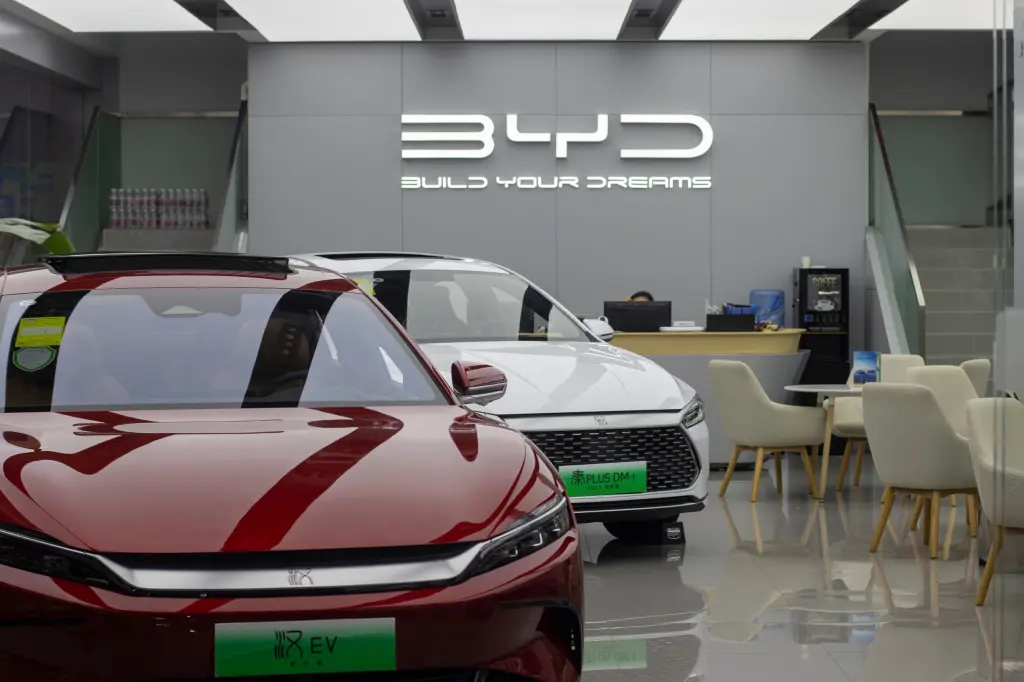
Chinese automaker BYD has become one of the top-selling car brands in Thailand. / Photo credit: Tada Images / Shutterstock
Observers say the latest policy enhancement that covers a wide range of electric and hybrid vehicles – known as xEV – is intended in part to placate non-Chinese players in the market, particularly Japan’s auto giants.
Influx of Chinese BEVs
The Thailand Board of Investment (BOI) has been aggressively promoting battery EVs (BEVs) since 2022 with some success.
Chinese auto brands such as Aion, BYD, Changan, Chery, Foton, Great Wall, Neta, and MG (a joint venture between China’s SAIC Motor and Thailand’s Charoen Pokphand Group) have already set up plants in the country.
But the influx of Chinese BEVs has rattled Japanese carmakers – including Toyota, Honda, Nissan, Mazda, and Mitsubishi – which have long dominated Thailand’s car market with more than 90% share.
See also: Tracking Chinese EVs’ stunning surge in Southeast Asia
“For the past four years, the government has mainly pushed BEVs. So many Chinese companies came to Thailand, and the existing players were not pleased with that, especially the Japanese,” says Kunat Tharasrisuthi, an analyst at international market research firm Global Data. “That’s why [the government] had to make some changes.”
New tax incentives
In December 2024, Thailand’s National EV Board, chaired by Prime Minister Paetongtarn Shinawatra, announced a new package of tax incentives and regulations to promote more local production of HEVs, PHEVs, and MHEVs. The package was recently approved by the Cabinet and will go into effect in early 2026.
“This policy is to make sure that Thailand would be a production hub of xEV for the world,” says BOI secretary-general Narit Therdsteerasukdi. “We tailor-made the incentive package according to the different characteristics and demands of each [EV] segment.”
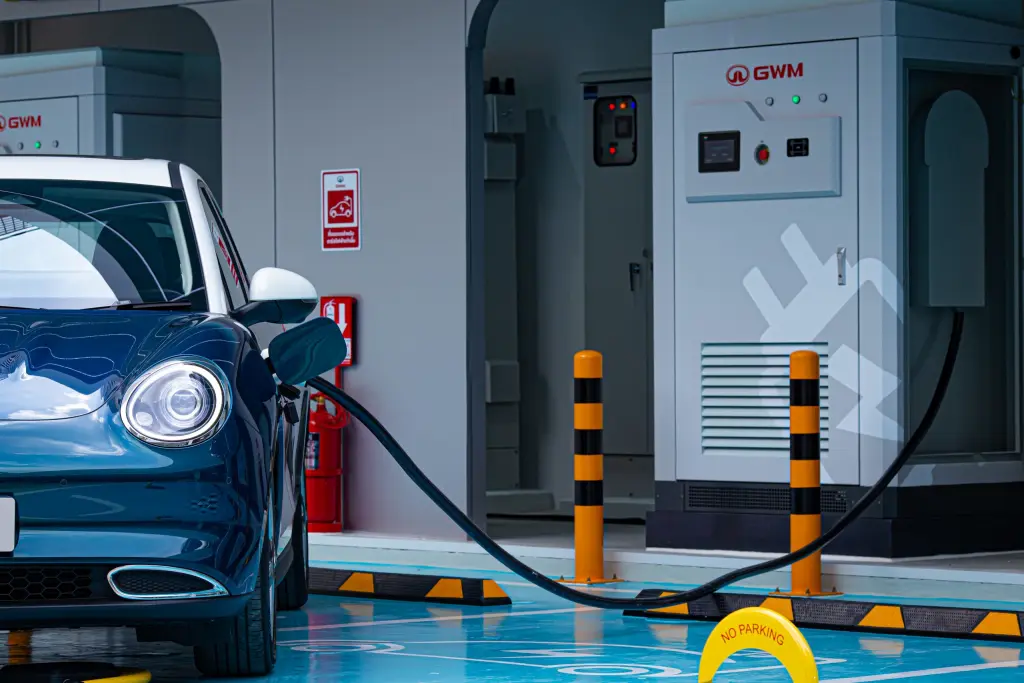
A Great Wall Motors EV at a charging station in a Bangkok mall / Photo credit: kawee su / Shutterstock
While Japanese carmakers have lagged behind their Chinese counterparts in innovating cutting-edge BEV technology, they have been more successful in launching HEV and PHEV models, which rely partly on traditional internal combustion engine (ICE) technology.
Localization efforts
Stay ahead in Asia’s tech landscape
This is premium content. Subscribe to read the full story.
Observers say the latest policy enhancement aims in part to placate non-Chinese players in the market.
We know this is not ideal. ⌛ Sign up in 20 seconds. Cancel anytime.
Our subscriber community includes professionals from these companies:





Stay updated on the go with our mobile app.
Get latest insights with smoother, more personalized experience through TIA mobile app.