- Insights This article was written by a TIA community member. Insights pieces undergo the same rigorous editorial process that newsroom-produced articles have.
 Benjamin Joffe · · 5 min read
Opinion: Xiaomi’s strategy isn’t in ‘smart living.’ It’s to be a digital Procter & Gamble
Photo credit: Jon Russell.
Benjamin is a TIA Star Contributor and publishes exclusive, high-value content that serves the Asian tech community. Read more from TIA Star Contributors here.
A few weeks ago, Tech In Asia reached out to me regarding a piece they were writing in the wake of Huami (a Xiaomi investment) going public. In the piece, they outlined the benefits and drawbacks of joining Xiaomi’s ecosystem. Here are a few more of my ideas.
Xiaomi is a big player in hardware
Chinese smartphone maker Xiaomi is not only a giant by market share but has also done dozens of investments (including two HAX startups: smart lighting company Yeelink and another one that’s undisclosed). The power of their distribution channels and community makes them a kind of “kingmaker” because:
- Customers trust the quality of the Xiaomi brand.
- Xiaomi’s website and offline stores, though not “official,” get huge traffic.
- High sales volume and lower ad spend allow for a price advantage.
In addition to investment and distribution, Xiaomi also helps companies with product development, so the latter fits within its ecosystem and matches customer expectations.
Kings or vassals? The Huami case
Already, some of Xiaomi’s investments have become unicorns. While it didn’t reach that status post-IPO, the fitness tracker maker Huami has a market cap of almost US$600 million— almost half of Fitbit.
While it is said to be below the previous private valuation, it is undoubtedly a great outcome. The ROI for investors was great, and the founders managed to build a sustainable business while keeping a large chunk of equity.
But how sustainable is sustainable? Huami primarily sells in China and via Xiaomi. The opportunity for such ecosystem companies is to piggyback on Xiaomi’s brand equity for global expansion (particularly in other emerging markets like India). The challenge here is to build their own brand and channels. Also, several of the companies in Xiaomi’s ecosystem are essentially making commodities (e.g. battery packs, headphones, etc.) for which brand recognition and low-cost distribution are key to survival.
Exit options: IPO only?
Being mindful of both the asymptote and the inflexion point is critical for exits.
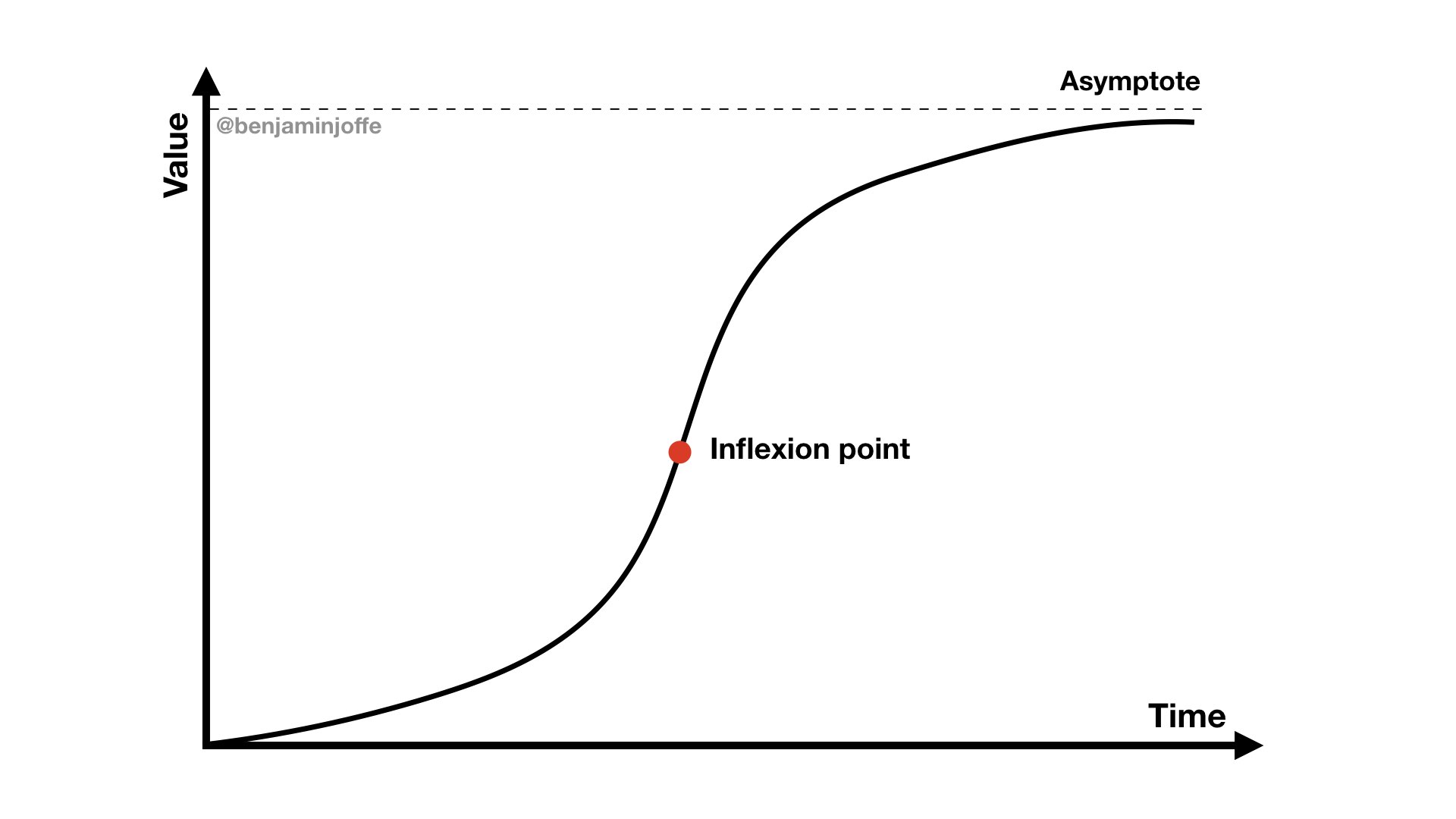
In most cases, startups exit via M&A (over 90 percent vs IPO, LBO, etc.), and overall, the window of opportunity via M&A is larger.
Can a “Mini-Mi” fly on its own?
Is Xiaomi’s strategy being a digital P&G?
Should hardware startups take money from Xiaomi?





Stay updated on the go with our mobile app.
Get latest insights with smoother, more personalized experience through TIA mobile app.









📅 Upcoming Events
22 October 2026
Payoneer x CSPN Summit 2026