- Insights This article was written by a TIA community member. Insights pieces undergo the same rigorous editorial process that newsroom-produced articles have.
 Ryan Holmes · · 4 min read
Opinion: Here’s a warning for businesses as people demand more honesty on social media
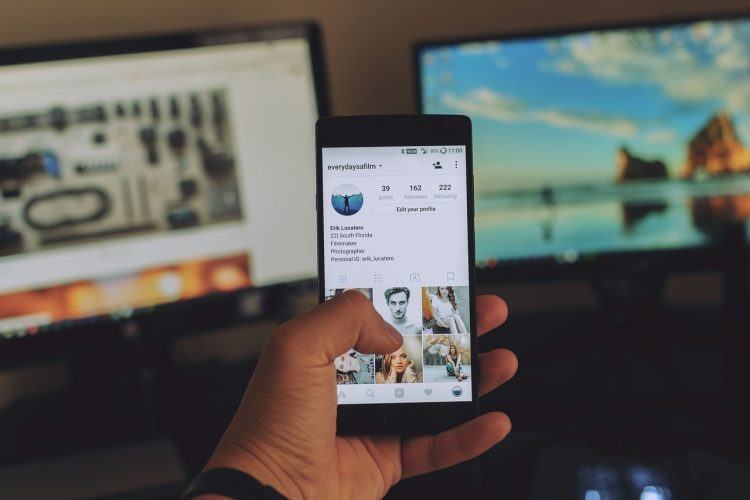
Photo credit: Pixabay.
Fake.
It’s a word that gets mentioned a lot these days when we talk about social media: fake news, fake followers, real people sharing fake, filtered versions of their lives, etc.
It’s enough to make you stop and wonder: is there something inherently wrong with social media? Is it bad for us? Is it evil?
These are not new questions. I’ve thought about them a lot over the years, as my life and career are wrapped up in social media. I know that it’s sometimes tempting to dismiss social networks as time-consuming or even threats to civilization. But this is too simplistic. The truth, I think, is much closer to an old adage:
The day after fire was invented, someone invented arson.
Social media, just like fire, is a technology. It’s neither good nor evil. You can use it to bring warmth and light into your life or to burn, harm, and destroy.
For some people, social media is a valuable tool that brings families and friends together, raises awareness for social causes, and gives us something to scroll through when we’re bored. For others, it becomes a tool for exploitation, an unhealthy addiction, or even a vehicle to spread hate and violence.
Ultimately, the impact is in our hands. Social media, as the name suggests, is just the medium, not the message.
The social paradox
Having said that, it’s not hard to understand the haters. In some respects, social media has done a 180-degree turn. In the beginning, it was about living out loud, an antidote to slick corporate messages and imagery pushed out over TV and in magazines. Facebook was revolutionary precisely because it was real, immediate, and unfiltered. On Twitter, people really did share photos of their breakfast.
But that has changed. The gold standard in social media these days is “Instagram-worthiness.” Instead of a raw look at real life, we get an impossibly beautiful and polished version of life—cropped, filtered, and largely fictitious even when it’s our own face. The popular Facetune app, for example, makes it possible for anyone to airbrush their features to model-worthy perfection. And, more often than not, these perfect people on Instagram are actually trying to sell us something.
That same craving for fakeness and excess partly explains the prevalence of fake news and clickbait. As our news feeds get increasingly crowded, it’s hard to resist gravitating to splashy, tabloid headlines, even when we sense something just doesn’t add up. Fakeness is a lot like trans fat in that way–tempting but just empty calories; irresistible but ultimately damaging.
A realness revolt
It’s critical to remember that social media isn’t just that. In fact, it’s not hard to see a counter movement afoot, a push to reclaim social media’s roots. Snapchat started it. Disappearing pics gave people license to be real again and silly lenses helped us let our hair down. Instead of worrying about projecting a personal brand, we actually started communicating.
An early warning for businesses





Stay updated on the go with our mobile app.
Get latest insights with smoother, more personalized experience through TIA mobile app.