- Insights This article was written by a TIA community member. Insights pieces undergo the same rigorous editorial process that newsroom-produced articles have.
 Lukas May · · 6 min read
Opinion: This regulatory to-do list can uncage the Asian fintech tiger

Photo credit: Amiya Nanda
Lukas is a TIA Star Contributor and publishes exclusive, high-value content that serves the Asian tech community. Read more from TIA Star Contributors here.
There is a long way to go before Asian fintech tigers (excluding Chinese fintechs) can roar on the global stage, and regulation is largely to blame.
Governments and regulators across Asia have been working hard to attract and grow fintech companies with different projects. But despite these initiatives, regulation remains the biggest barrier to customer acquisition, efficient scaling, and expansion across the region.
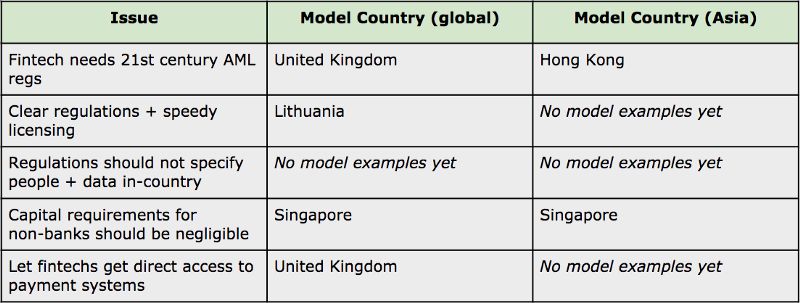
While fintech is a broad term, some barriers impact the entire industry. If I summarized this into a prioritized to-do list for a pro-fintech regulator, it would look like this:
- Review your anti-money laundering (AML) regulation. Strip all requirements biased toward an offline world.
- Publish overview documents summarizing requirements for each type of license. Then, set out target timelines to get each license category and publish average time taken.
- Set capital requirements for non-banks to zero (or very close to zero).
- Remove requirements of people and servers to be based in specific locations.
- Allow non-banks with the appropriate licenses to connect directly to payment systems.
Offline AML rules in an online world
Until recently, many fintechs in Singapore needed to physically meet each new client in person. Although this requirement has now been lifted, it remains the norm elsewhere. For example, although Malaysia has now issued eKYC (electronic know your customer) guidelines for money remitters, specific regulatory approval is needed and strict restrictions such as transaction limits are in place.
Even in countries that accept non-face-to-face customer onboarding, there are still outdated requirements. In Japan, for example, address verification (a key part of the KYC rules) requires a physical letter to be sent to the customer’s home.
For fintech businesses to scale successfully in the region, these old-fashioned requirements need to be stripped away. Rules should mandate outcomes, but leave it up to the firms to decide how best to achieve them. This will allow firms to design processes that use the best technology available to fight financial crime and save hassle for legitimate customers.
Regulators will benefit too. Future-proofed regulations will save them the effort of playing catch-up every few years and revising the rules in light of new technology.
Getting licensed: slow, opaque, and expensive
The first step of understanding which regulations will apply to a fintech business is difficult in many Asian markets. Often, there will be a patchwork of different circulars scattered across a hard-to-navigate website. Regulators should create summary documents for each regulated activity (i.e. peer-to-peer lending, payments, and deposit-taking) that clearly set out all relevant requirements. This would accelerate the process and help regulators ensure that their expectations are being met.
The process of obtaining a license can also be very slow. It is rare for regulators in the region to set transparent timelines for licensing and even rarer for those regulators to hold themselves accountable. Regulators should set out estimated licensing timeframes, including a clear overview of how long each step in the process will take. Data should then be published on the actual time taken, like how airlines and rail companies publish data on punctuality targets vs actual results.
Some countries have licensing categories that are only opened to a certain quota of licensees at a certain time. This ossifies the market and prevents future players from bringing new services to the market. Regulators should set standards and ensure that firms meet them , but there should not be restrictions on how many licensees are “enough.”
Bucks, boots, and bytes on the ground
Banking on the banks





Stay updated on the go with our mobile app.
Get latest insights with smoother, more personalized experience through TIA mobile app.