- Insights This article was written by a TIA community member. Insights pieces undergo the same rigorous editorial process that newsroom-produced articles have.
 Leow Hou Teng · · 6 min read
How I transitioned from graphic designer to UX designer in 7 months
Photo credit: Freepik
It’s 2018. If you’re tired of speculative work and the endless revisions from that client who doesn’t like your font or color choices, maybe it’s time for a career switch!
In this article, I’ll be sharing how I transitioned from a graphic designer to a UX designer. Hopefully, you’ll find this article useful in helping you prepare for a new career.
Learn
New job roles come with new demands in skillsets. Learn UX with an open mind to understand what is expected.
#1 Learn human-centered design
Pure UX design roles require conducting user interviews, usability testing, information architecture, creating personas, customer journey mapping, etc. Start by trying out a course, like Coursera’s on interaction design.
While users need to pay for certification, they may opt to audit the course and gain access to all video tutorials and most learning materials for free. Similar courses can be found on sites such as Udemy and Lynda.
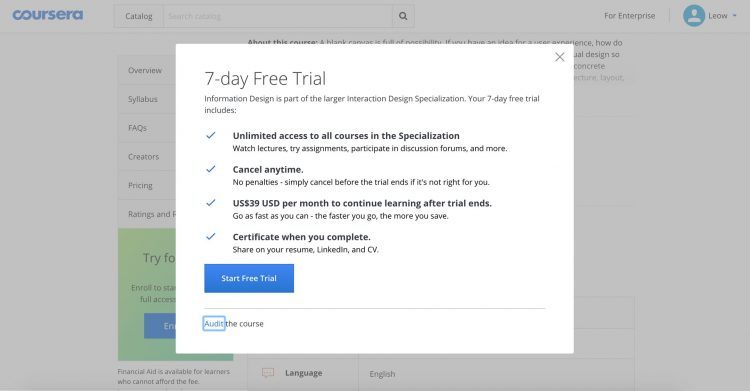
Audit a course on Coursera.
#2 Attend a UX design immersive program
UX is largely an applied skill and requires practical application and tests conducted with real people. Online tutorials can only teach you so much.
I enrolled for a 10-week course at General Assembly, aimed at preparing career switches through multiple individual and collaborative projects that also help students develop their portfolio.
Check out other schools, bootcamps, or programs available in your city. As these courses may be costly, check if there are any available grants.
#3 Attend workshops and events
Prepare
Apply
Rounding it up





Stay updated on the go with our mobile app.
Get latest insights with smoother, more personalized experience through TIA mobile app.