- Insights This article was written by a TIA community member. Insights pieces undergo the same rigorous editorial process that newsroom-produced articles have.
 Filbert Richerd Ng Tsai · · 4 min read
I work with subscription ecommerce startups. Here are 3 key opportunities I see
Photo credit: Melody Jacob
Filbert is a TIA Star Contributor and publishes high-value content that serves the Asian tech community. Read more from TIA Star Contributors here.
Subscription ecommerce is growing rapidly, but is adoption catching up?
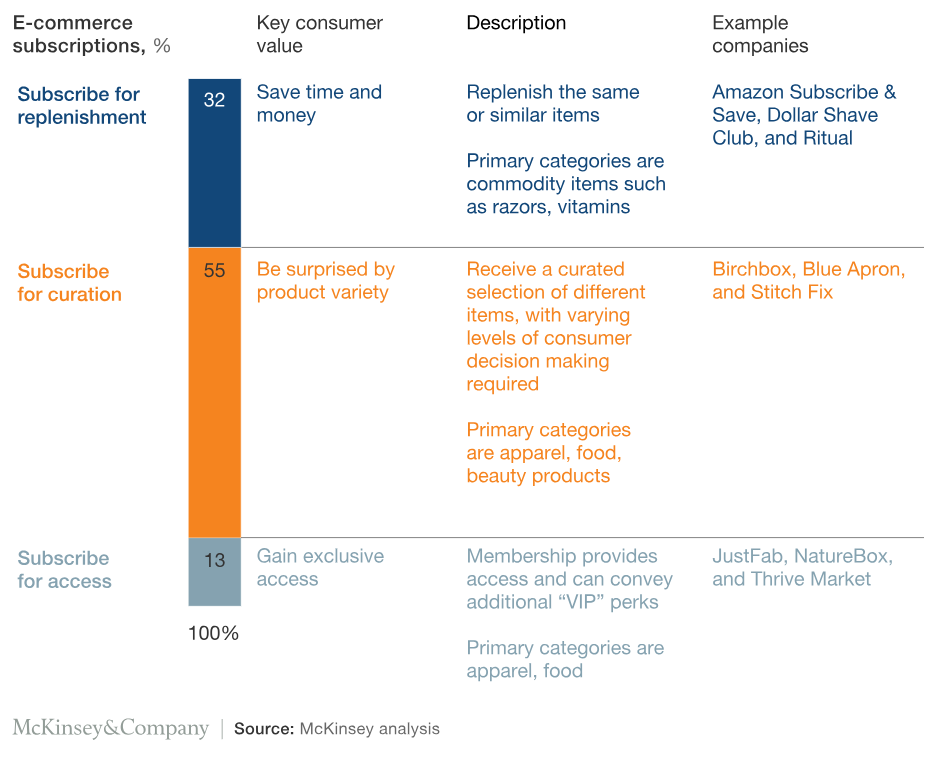
In a survey done by McKinsey in February 2018 for the US market, they found that 15 percent of online shoppers have signed up for a subscription box on a recurring basis. While there are no similar surveys specifically for the Asian market, the US adoption rate is quite telling of the opportunities.
The same study found that a majority of subscribers tend to prefer curation services, suggesting a preference toward personalized goods or services (see image below). This brings back the article titled The Long Tail, which was about the growth of personalized businesses. While it was published back in 2004, it still remains relevant today.
Our consulting business has been working closely with a few subscription ecommerce startups in creating sustainable business models. With our foot in the market, we saw a few key challenges which give rise to opportunities that subscription ecommerce startups should leverage.
1. Consumers are not ready subscribers
While ease of purchase is the idea of a subscription ecommerce business, consumers are not immediately comfortable with committing to a subscription.
We noticed that it usually takes a lot of effort to woo consumers and convert them into subscribers. This also means having a high customer acquisition cost (see point two below). But we also noticed that there are cheaper ways that can minimize costs.
De-risking your customer is one of the easiest and most cost-effective ways to do this. De-risking means to remove the risk that customers will pay for what they don’t want about the subscription.
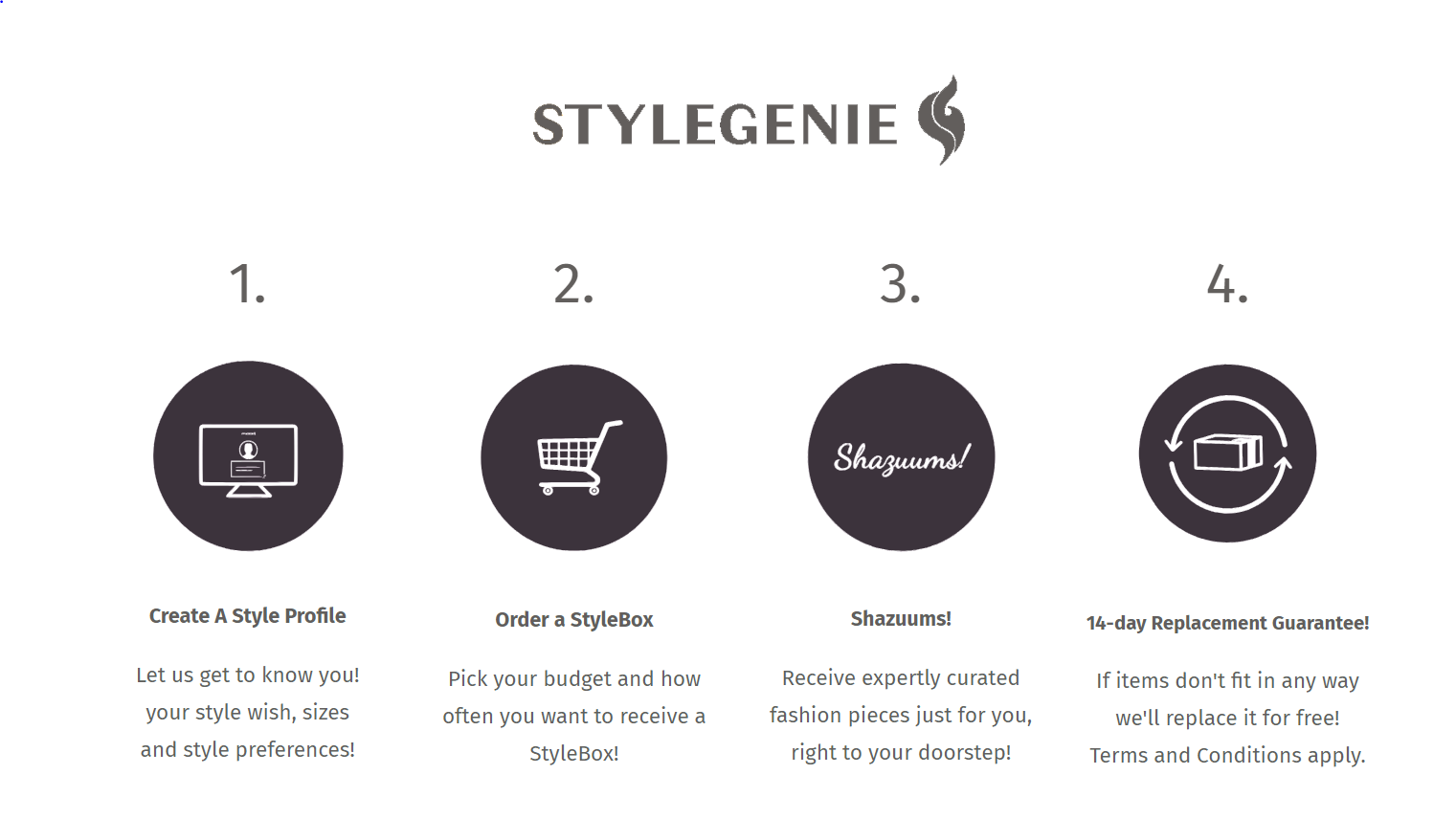
An example of this is what Philippine startup StyleGenie has been doing with their curated styling boxes (see image below). When customers are not satisfied with their orders, they can just throw it back in and a replacement will be made. It’s as simple as that.
2. Customer acquisition costs are overrated
3. Customers want to subscribe, not pay in advance





Stay updated on the go with our mobile app.
Get latest insights with smoother, more personalized experience through TIA mobile app.