- Insights This article was written by a TIA community member. Insights pieces undergo the same rigorous editorial process that newsroom-produced articles have.
 Andrew J. Chapin · · 5 min read
My 16-minute call with a government official regarding our ICO
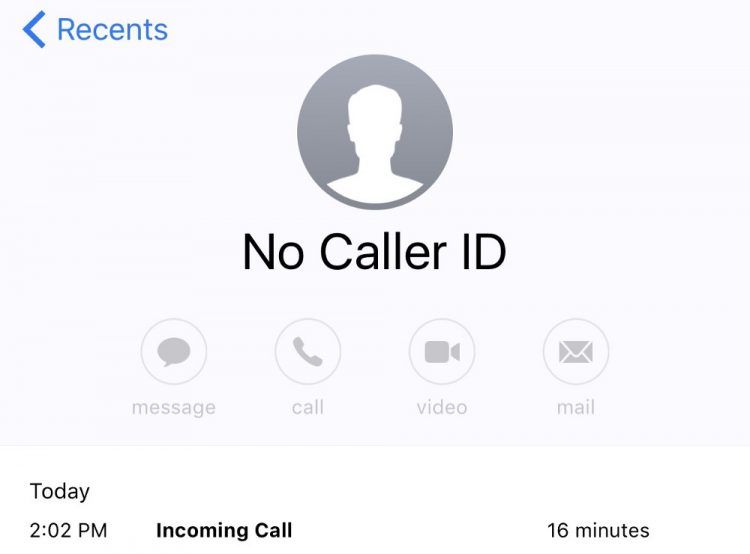
The first thing you should know is that I never answer calls that come from “No Caller ID.” Today, one of those calls came through and, for no particular reason, I answered. As expected, I did not recognize the voice on the other end of the phone. But what I didn’t expect is that it was Mark Vilardo from the US Securities and Exchange Commission (SEC).
None of this is to be interpreted as advice or guidance of any kind. I’m sharing the general points discussed in my 16-minute conversation with Mr. Vilardo because I know there are members of the blockchain community who will find it interesting or helpful. In the end, Mr. Vilardo’s only actual guidance was to consult legal counsel. My only advice for everyone is to do the same.
Reaching out to the SEC
It was an important week at Benja, the adtech company that I started with Tommy Goode in 2014, as we prepared for the launch of our ICO, BenjaCoin. We usually work from our respective home cities (San Francisco for me and Austin for Tommy ), but given the amount of work that needed to be done in advance for an ICO, we decided to get together. I flew to Austin.
It didn’t take long for our first major hurdle to present itself. Right after I landed, the SEC released a blog post titled “SEC Issues Investigative Report Concluding DAO Tokens, a Digital Asset, Were Securities.”
We read the 18-page investigative report carefully. We read articles and blog posts about the report. We scrolled through crypto-Twitter. We familiarized ourselves with the Howey Test, a test created by the Supreme Court for determining whether certain transactions qualify as “investment contracts.”
After a few hours, I felt confident that our ICO would not be considered a security. We felt confident enough to issue a press release, where we shared the disclaimers from our white paper, clearly stating the purpose and use of our ICO.
Still, I wasn’t certain. And when you’re looking at a large sales effort that will represent a fundamental shift in the startup you’ve spent more than three years building, you want to be certain.
I emailed our lawyer and SEC Chairman Jay Clayton. In my email to the SEC, I shared that:
- I run a company that is planning an ICO event.
- I’m interested in speaking with someone about our prospective ICO event.
- “Although we are not guaranteeing any ownership rights, dividends, etc., and we explicitly state that our tokens are for simple participation in our network (as an advertiser or publisher), we want to make sure that we are complying.”
I closed by asking whom I should speak with.
I want to raise a point here: My subsequent conversations with some members of the community (on Telegram and elsewhere) indicated that they felt I had made a mistake by reaching out to the SEC. One person asked why I would “invite the fox to guard the hen house.”
This is an alarming stance and one that I hope the community shakes. Token issuance is an important mechanism that can do wonders for the advancement of blockchain technology, and I believe that the community needs to accept some basic level of legal oversight so that it can realize its full potential.
You know where the speed trap is . Don’t blow by it at 200 mph in your Lambo.
The SEC called back





Stay updated on the go with our mobile app.
Get latest insights with smoother, more personalized experience through TIA mobile app.








📅 Upcoming Events
22 October 2026
Payoneer x CSPN Summit 2026