
Image by: keep_bitcoin_real
I often pose this question to startups who come to our advisory sessions, “What is your exit plan for the company in 3 years?”. In response, there are often blank faces.
Some reply with this question, “Why should we exit in 3 years? We will be working on it and making lots of money with our business!” or “We like what we are doing and we are going to retire with this business”.
In the past, I as an entrepreneur wouldn’t be concerned with an exit strategy as I was filled with commitment to see my company through to retirement. My company is me and I am the company.
Learning from experience, however, and seeing how important an exit strategy is, is now part of our core methodology in advising startups in our Angels Gate Advisory free clinic services.
So why plan for an exit when we have barely even started? We should take our time and trod the way first to see what the best route is before deciding what is best for the company.
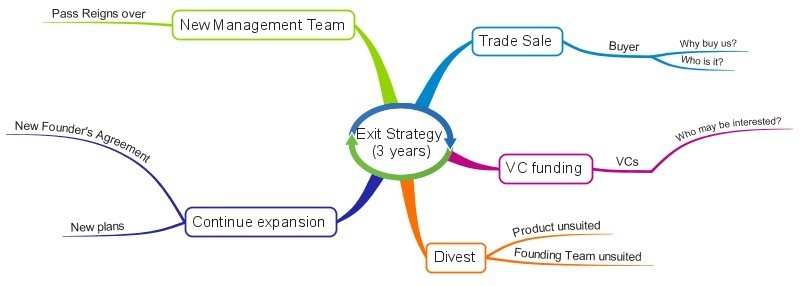
Here are some explanations:
1. 3 years is a huge time commitment. Entrepreneurship is a highly risky business. Many people enter it without ever realising how tough the journey can be.
In 3 years, it is a sufficient runway to determine whether a company is a viable business to be sold, to be taken to the next level, to be handed over to an operations team, or even to divest and wind down.
Running your own business calls for sacrifice and commitment. It is a 24/7 job. Putting a target of 3 years give founders the known end-point. Founders may put off their plans, for example, marriage, other ventures, etc. during these 3 years and give their best.
If there is no timeline, founders may get confused and make different arrangements, losing the full commitment and energy to the startup.
2. An exit strategy is a long-term goal setting in place. When you plan to exit, you help to focus and steer the company towards that direction.





Stay updated on the go with our mobile app.
Get latest insights with smoother, more personalized experience through TIA mobile app.