Talha Izhar · · 3 min read
Opinion: Pakistan ecommerce blocked by big hurdles despite $1b prediction
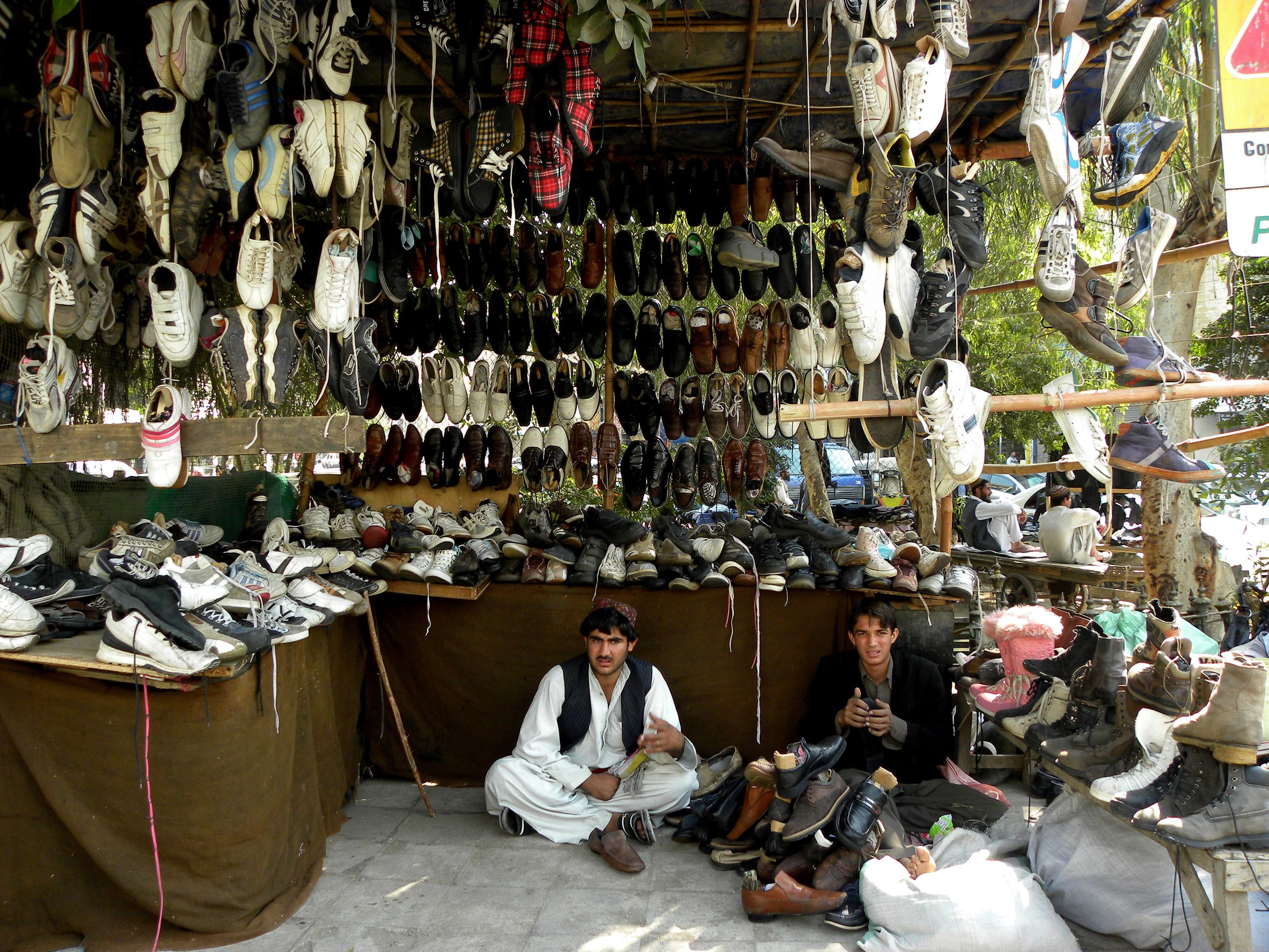
Photo credit: zahidrana / 123RF Stock Photo.
There’s been a lot of buzz on Pakistan’s ecommerce and how it is set to reach US$1 billion by 2020. A lot of estimates, surveys, talks, seminars, and conferences talk about getting to the US$1 billion mark. But is this even possible? An optimist like myself would say, “Yes, it is possible.” But looking at the landscape for digital traders or ecommerce merchants, the path is not so straightforward.
In the ecommerce ocean in Pakistan, there are no whales yet (maybe they’re getting ready to enter). There are only a few sharks and hundreds of small and midsize fish (merchants) trying to earn their living and contribute to the market.
The market, at the high level, works just like it does anywhere in the world. Orders come in, merchants process and send them to their logistics partners, and the customers receive their orders. They will then pay cash (yes, cash) to the courier and the loop completes.
Sounds simple, right? Not so fast.
There are hurdles—a few big ones and a few smaller ones.
Logistics
There are only a handful of logistics partners available for startups in the country. Some are directly or indirectly involved in the same ecommerce industry, which creates a conflict of interest and risks to data security and privacy.
There has been a lot of discussion around it, but the problem is not going away anytime soon. The cost of sending an order through a small- or medium-sized vendor within the city is US$1.14 minimum. And this goes up to US$2.10 if you’re sending it to more rural areas, where most orders originate. Apart from the cost of sending the order, there are other costs like fuel surcharge, tax, and cash handling charges. Combine all these with packaging costs, and each order costs at least US$1.81 to US$3.05. With an average order costing between US$14.31 to US$21, the shipment costs are considerably higher.
Returns/cancellations
Another challenge is order cancellations and returns. These are due to customer indecisiveness or delays in the delivery process that cause order cancellations, returns, or items just getting lost (yes, this happens too). Each of such transactions costs between US$1.14 to US$1.72, depending on how many orders you are processing. This is an additional burden on the margin.
Cash is king
There is no doubt that cash is still the most popular payment method. Digital wallets, credit/debit cards, and other ways to pay are becoming more popular, but there is still a very long way to get people to pay using anything other than cash. As long as cash is king, the additional costs are going to be a burden. Handling an order of US$34, for example, would cost US$0.5 to US$0.75 in cash handling charges.
Taxation
There is a tax problem in the country; a majority of Pakistani people do not pay taxes and this leads to higher sales tax for registered small to medium merchants—between 15 to 19 percent. And this percentage is what eats up a sizable margin from their profits and, in many cases, leaves nothing behind.
Policy
One of the biggest challenges of the local ecommerce industry is the lack of national/government policies. While there are reports about policies in the making, nothing substantial is being done on this front.
Representatives from some of the bigger ecommerce players are invited whenever the committee meets to decide the fate of the hundreds of small to medium merchants through the policy. The bigger players, while not directly profiting, are certainly in a position to present their own agendas to the government and get those approved as policy.
There is no representation of the many ecommerce vendors who are collectively contributing more to the system.
Conclusion





Stay updated on the go with our mobile app.
Get latest insights with smoother, more personalized experience through TIA mobile app.