Joe Liebkind · · 4 min read
Opinion: Blockchain will make passports and physical IDs obsolete
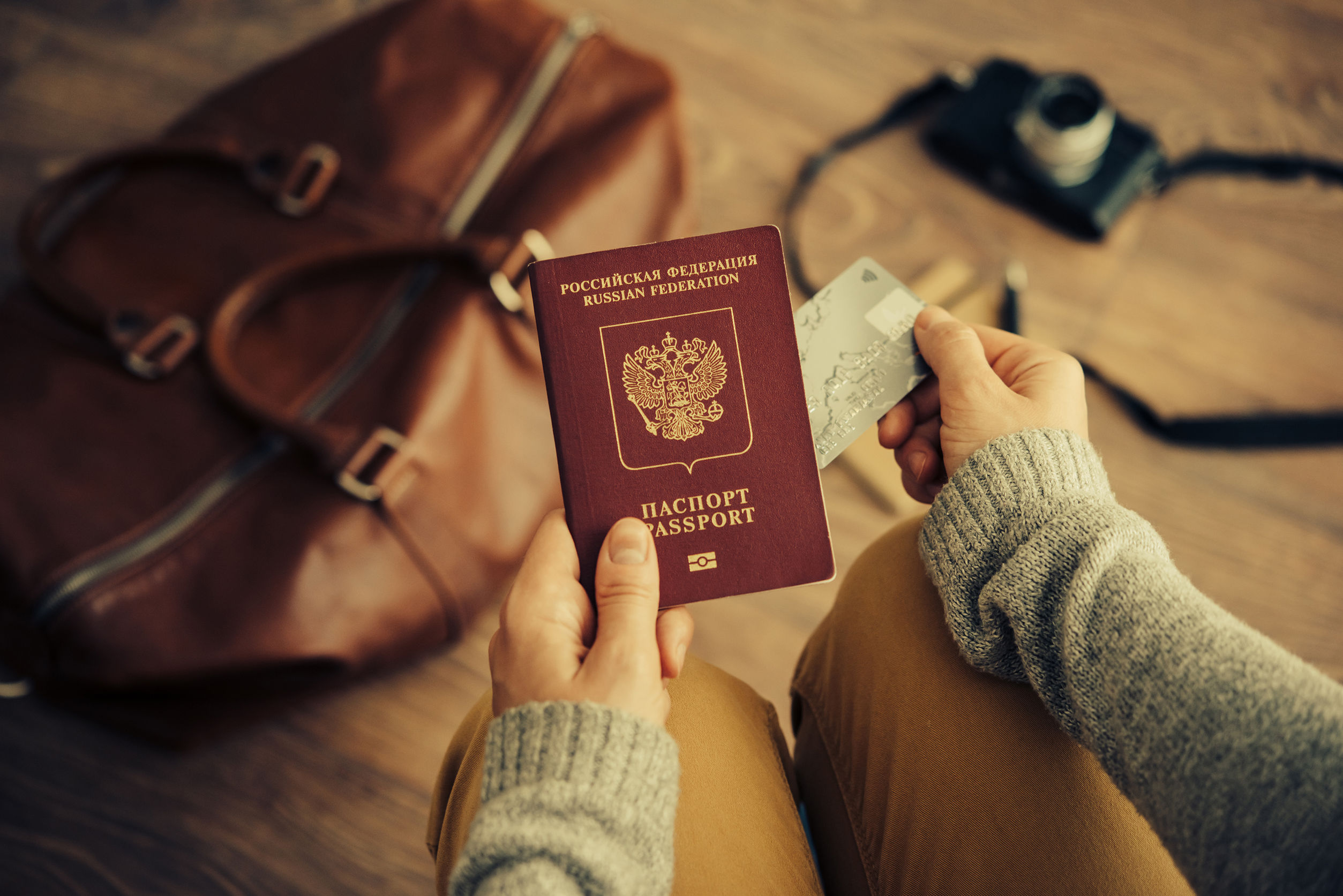
Photo credit: gregorylee / 123RF Stock Photo.
We have identified ourselves the same way for hundreds of years. Authorities at borders, bartenders, banks, and the police identify us using a card with some personal details and a photo and a way to verify the card’s authenticity.
It’s not a bad way of doing things; it has largely proven effective at supporting the foundations of an orderly civilization. Ideas like citizenship, property ownership, trade, and marriage rely on the ability to prove an identity, so it’s important to keep it safe.
However, as technology improves, large portions of our lives have moved online. News, work, entertainment, and money are now more in binary than in print. But what about IDs? We still use physical ones because they’re cheap, safe, and are somewhat difficult to fake. But are they the cheapest, safest, and hardest-to-fake solution? Decidedly not.
Blockchain may be the solution to bring the notion of identity into the 21st century.
Blockchain is the key
I don’t think we can avoid carrying a physical object to identify ourselves with, but it no longer needs to be a full ID card. Thanks to the blockchain, we can create an identity system that uses only a fraction of the information we use now.
While the internet used to rely on centralized hubs to handle traffic, blockchain allows the same network functionality but splits the bill between the users themselves. To store data, use bandwidth, or route traffic, blockchain can securely employ fractions of your computer when you use applications built on it.
Reliance on a distributed network has vast security benefits, as hackers cannot interrupt the network or gather any data from a single breach. Even if they could break in, there would be little useful data to steal.
While an identity should ideally remain yours, identity theft is a reality. Centralized systems (like apps, websites, etc.) ask us for our identity when we use their platforms. Each of these interactions is a weak spot, as your sensitive information is essentially in every online service you’ve ever used.
This is where blockchain can help. It can verify a transaction’s authenticity without knowing the identity of the user behind it. Cryptographic hashing preserves the integrity of the ledger but uses a 256-character encryption system and private keys to keep the process anonymous. This essentially allows you to keep your identity to yourself without limiting the services available to you.
The dual ability of a system to securely reach consensus without flawed infrastructure makes blockchain the missing piece in cybersecurity.
Innovative companies are already working on pushing the boundaries of this idea.
Startups are on it
SelfKey and other companies like Civic believe that blockchain is secure enough to support processes like identification, financial services registration, residency, and more.
SelfKey’s system focuses on the idea of a self-sovereign ID. This approach seeks to build the identity infrastructure from the outside in, offering a full range of services that would otherwise be needed for a physical ID.
Forming your future self





Stay updated on the go with our mobile app.
Get latest insights with smoother, more personalized experience through TIA mobile app.