- Insights This article was written by a TIA community member. Insights pieces undergo the same rigorous editorial process that newsroom-produced articles have.
 Michael Singh · · 3 min read
Opinion: How data on mobile phone usage can power digital lending in the Philippines
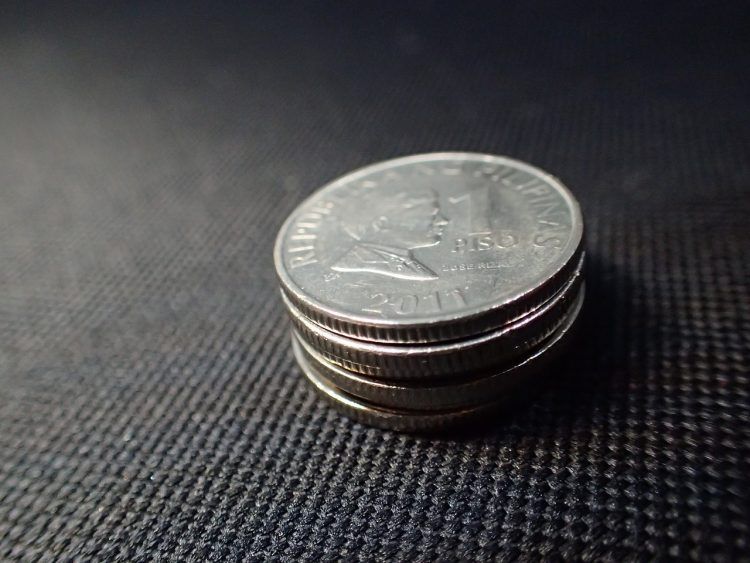
Photo credit: Liana Smith Bautista.
The Philippines ranks among the lowest in bank account penetration for working citizens. Nearly 90 percent of adult Filipinos today are also not registered with a credit bureau, meaning they would have to turn to money lenders outside of the banking system.
However, digital devices are everywhere. In 2016, the Philippines was the fastest-growing smartphone market in Southeast Asia, with over 3.5 million devices shipped to the country in just the first quarter alone.
Therefore, there is a huge opportunity for fintech businesses to impact the lives of the underbanked in the Philippines. But for fintech platforms to become truly viable distribution channels for credit access, they must replicate one of the bedrocks of traditional banking system—a trustworthy and reliable backend.
Mobile usage data and creditworthiness
Traditionally, only banks could achieve that because key credit assessment indicators, such as available credit and collateral history, were only available to those within the system. But this has changed with the rise of alternative data sources such as smartphone behavior data.
Some fintech companies today are using mobile lending apps that use smartphone big data to optimize the credit assessment process and make fast and reliable credit decisions. This type of system also empowers many people locked into a cash-based economy in Southeast Asia.
With data such as call duration, time stamps, top-ups, data usage, mobile roaming, and location, among others, lenders can build an anonymized footprint to identify predictive factors and key behavior patterns. These pieces of information help them evaluate whether an applicant is a credible borrower.
This is now available in the Philippines. We recently launched our pera247 platform and similar platforms include Moola Lending and Robocash. By incorporating a unique digital credit assessment process into the underwriting algorithm, these platforms boost credit availability to those with limited or no banking history, increase their approval rate, and reduce risk. These mobile apps can also act as digital wallets.
Daniel Bjorkegren, an economist at Brown University, tested how successful behavioral mobile data points would be in evaluating creditworthiness.
He found that consistent mobile usage and demographics don’t correlate to an individual’s ability to repay a loan. But measures of mobility and variation and frequency of use are associated with low default risks.
Bjorkegren also discovered that mobile usage data is particularly useful, as they can create a snapshot of a person’s spending habits. For instance, a person who keeps his phone balance topped up shows that he or she is responsible enough to make sure there’s enough credits to connect with his or her network. If a customer were to let their balance run low, they are less likely to be dependable when it comes to making regular loan payments.
Ensuring wider adoption
There is clear demand for digital consumer loans. According to the BSP, the Philippines has seen sustainable growth in consumer loans since 2008. Riding on this positive trend, the benefits of digital lending in the country will be equally significant.
Moreover, smartphone users in the Philippines are expected to reach 90 million by 2021. Using digital channels for financial services will likely become mainstream.
A paradigm shift could take place to allow digital inclusion to advance financial inclusion. However, to ensure a wider adoption of digital lending and other fintech services, financial institutions should put in place a strong regulatory framework addressing KYC measures, risk management, business continuity with legacy systems, and consumer data security.





Stay updated on the go with our mobile app.
Get latest insights with smoother, more personalized experience through TIA mobile app.