- Insights This article was written by a TIA community member. Insights pieces undergo the same rigorous editorial process that newsroom-produced articles have.
 Jeffrey Towson · · 4 min read
3 points on Meituan’s unique position in digital China
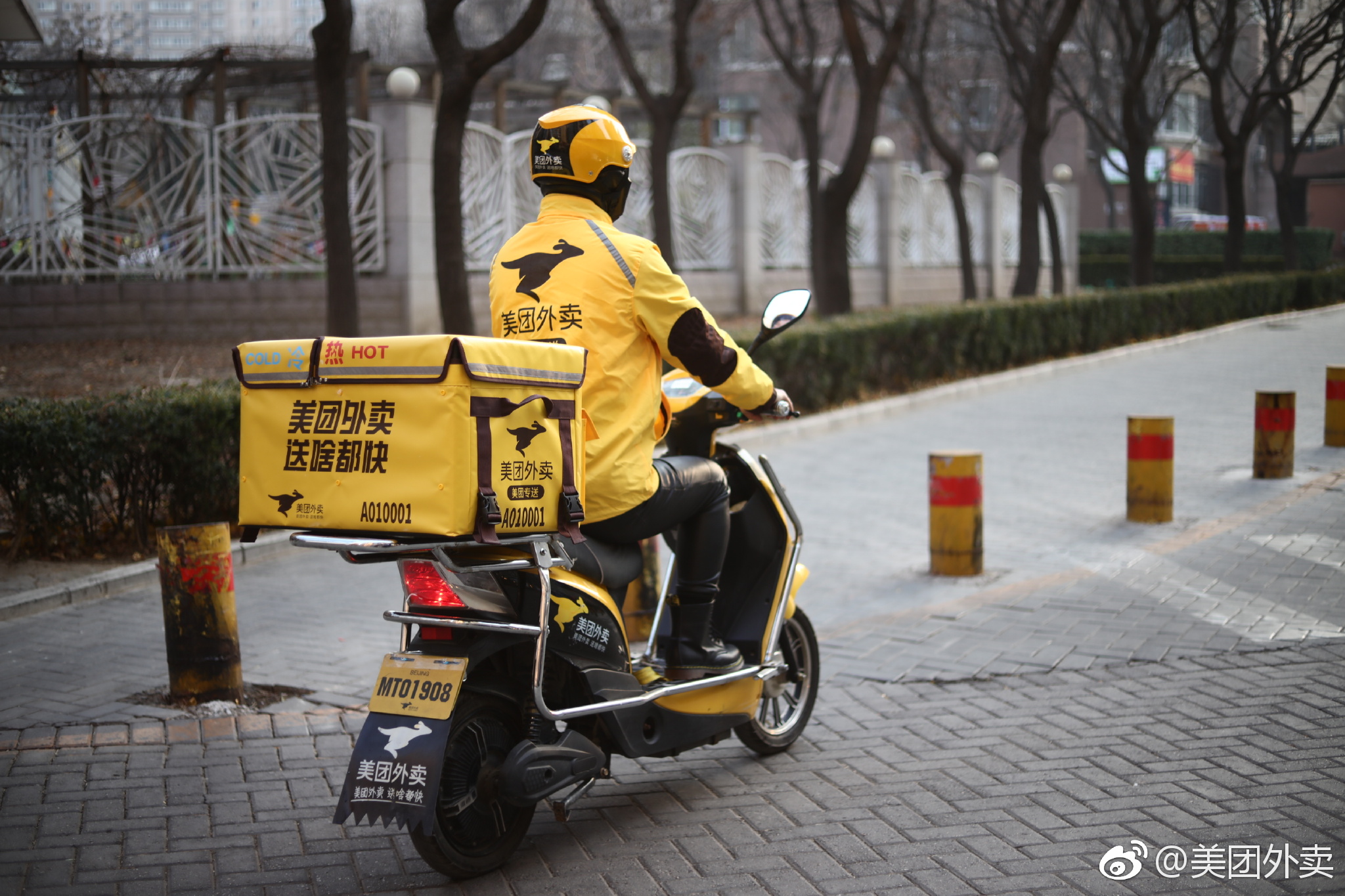
Photo credit: Meituan Waimai
Jeffrey is a TIA Star Contributor and publishes high-value content that serves the Asian tech community. Read more from TIA Star Contributors here.
Since visiting the Meituan headquarters, I’ve written quite a lot about it (see articles here, here, and here). The company is fascinating to me for the following reasons:
- They have gone public.
- Ele.me (i.e. Alibaba) has launched a well-funded war against them in food delivery.
- Meituan and several other digital giants have put a foot in the ride-sharing market.
- The digital giants (Ctrip, Alibaba, Meituan, and Didi) are colliding in “local services.”
Here are three other points on Meituan’s background and their current situation.
1. Meituan is a pure creature of digital China
Wang Xing, Meituan’s founder, is a serial entrepreneur and is famous for copying Western companies, which he then develops. Meituan began as a copycat of Groupon and survived a brutal money war against a slew of other copycats.
Wang launched Meituan in 2010 and was well prepared for this money war, where competitors raised money and used subsidies to acquire customers. Whoever got the most market share could then raise more money and offer more subsidies.
This pattern is especially common in digital China, and knowing how to deal with copycats (and dirty tricks) is a necessary skill.
But surviving the money war is usually only phase one. After that, companies then have to move into other products and services to differentiate themselves. They need to add more services to grow their user base and gather data—that’s phase two.
Meituan followed this pattern. They added a lot of services in ticketing, hotels, and the like (they merged with Dianping in 2015 and bought Mobike in 2018). This pattern is a big part of why they have such an interesting suite of products and services today, often being referred to as the “Amazon of services.”
I, however, think of them as a highly-adaptive survivor of a brutal ecosystem.
2. Platform business models are shaping competition in digital China
Most of China’s digital giants are platform businesses (Alibaba, Tencent, JD, Didi, etc.). At their core, they don’t buy and sell stuff or provide services themselves; they mostly connect user groups, including buyers and sellers of products and services. And they enable these groups to interact in various ways.
We can see platform business models in the physical world as well (bazaars, shopping malls, M&A bankers, matchmakers, etc.). But software companies are really good at creating platforms.
And there is a real power in digital platforms for a couple of important reasons:
3. Digital transformation is also shaping competition in digital China
What about Meituan vs Alibaba vs Ctrip?





Stay updated on the go with our mobile app.
Get latest insights with smoother, more personalized experience through TIA mobile app.









📅 Upcoming Events
22 October 2026
Payoneer x CSPN Summit 2026