Isaac Ho · · 5 min read
We will soon ‘pay others to live our lives’ – and it’s not such a bad thing
Disclosure: The author is the founder and CEO of private investment group and venture capital firm Venturecraft Holdings.
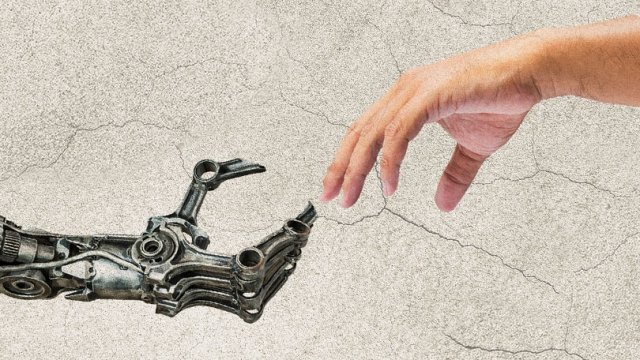
Photo credit: PC Mag
Life in the future will be easier – albeit heavily machine-aided.
It does not require a far stretch of the imagination for one to visualize a future where robotic vacuums, lawn mowers, pool cleaners, and robotic personal assistants support our day-to-day lives.
The future with robots
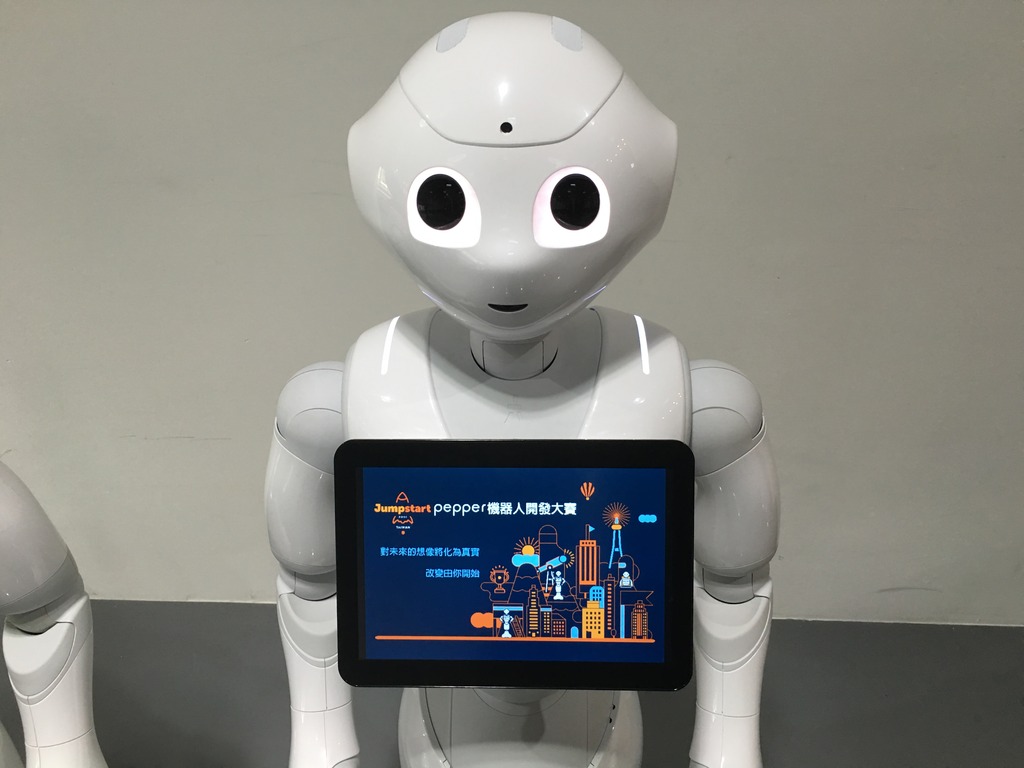
Although present-day robotics is largely an exercise of breathing life into machines – humanoid robots quite literally humanize technology – the future will be about machines breathing life into the spaces where we live, work and play. This heightened existence spins off from our current reality, candidly described by sociologist Arlie Russell Hochschild in The Outsourced Self, as one where “we pay others to live our lives for us”.
I have just returned from Taiwan, a place set to surpass Japan as Asia’s fastest ageing nation. Social robots, once an obsession predominantly associated with Japan, is now in huge demand in Taiwan.
Robotics is now huge in Taiwan. ASUS has just recently launched its first home robot Zenbo. Our VC firm Venturecraft Holdings has just launched a competition in conjunction with the launch of new software development kits for Softbank Robotics’ Pepper home robot, challenging engineers and programmers to come up with add-on software to extend the use of robotics across healthcare, social and retail applications.
However, I must clarify that I do not believe in a future where robots would replace our human workforce en bloc.
Even as robotic personal assistants currently command the fastest growth in market demand, the market segment for virtual personal assistants is being propelled by artificial intelligence found in mainstream devices such as our smartphones, wearable technology devices and personal computing devices. We await breakthroughs in robotics technology that could transform the way we live, work and play.
The social and companion products available today are at large transition devices for early adopters to experiment with. As always, market forces will eventually determine the staying power and essential usability of these technologies.
At present, there are specific fields in which the application of robotics makes a meaningful difference to the respective industry’s advancements. The Da Vinci Surgical System has been lauded for its efficacy in facilitating complex surgery using a minimally invasive approach. In Mexico, children with autism are responding well to affordable treatment using a robot named Teco, as they experience greater comfort from learning predictable actions executed by a robot.
Government support for robotics across Asia
Governments across Asia are also making a major push toward growing their domestic robotics industries. By 2020, robotics is estimated to become a US$82.7 billion industry, with the Asia-Pacific growing faster than all other regions.
Industrial applications of robotics
Commercial viability of robotics
Is the pursuit of a radically easier life fundamentally good for society?





Stay updated on the go with our mobile app.
Get latest insights with smoother, more personalized experience through TIA mobile app.