- Insights This article was written by a TIA community member. Insights pieces undergo the same rigorous editorial process that newsroom-produced articles have.
 Stephen Turban · · 7 min read
What businesses can learn from China’s attempt to measure everyone
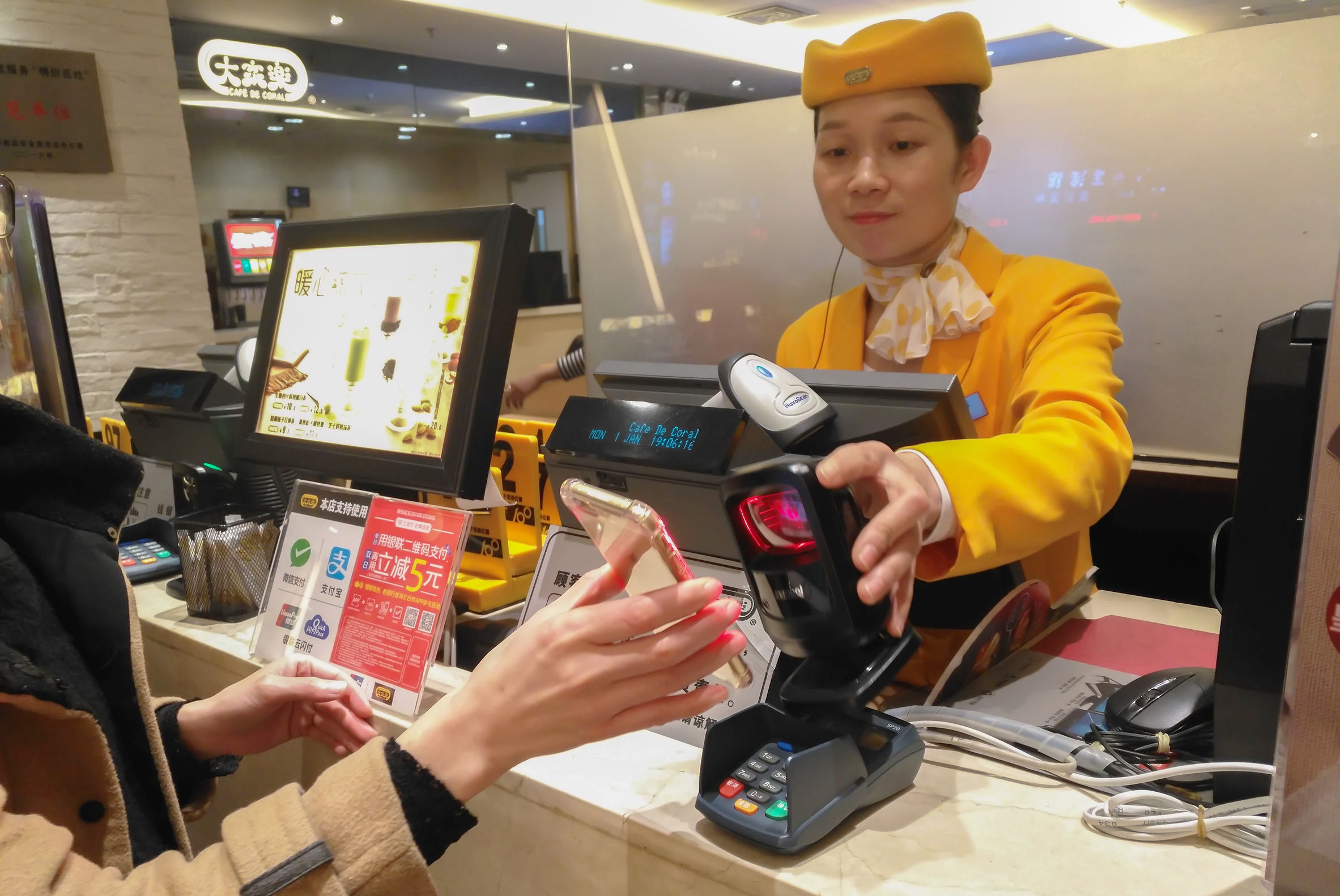
Photo credit: freerlaw / 123RF Stock Photo
Stephen is a TIA Star Contributor and publishes exclusive, high-value content that serves the Asian tech community. Read more from TIA Star Contributors here.
Ever since my high school crush called me a “four out of ten,” I’ve been fascinated by the measurement of people. So, when I learned that China was beginning a country-wide initiative to rate everyone, I was intrigued. What was a “social credit score?” How could I get my own? And if mine was high enough, would my spurned lovers notice?
This search has led me on a journey to understand China’s social credit score. It has put me in contact with socialites, Chinese matchmaking websites, and even a “social score consultant.” What began as an inward quest to understand how I’d get my own score, turned into an outward research of its effect on China.
Throughout it all, I had a nagging thought: Western media lambasts the score as Orwellian, but is it that different from the assessments companies give their employees? And if not, what could businesses learn from this scoring system?
The creation of China’s social credit score
In 2014, the Chinese state council issued a plan to create a nationwide social credit system. Unlike the US, where citizens have FICO credit ratings, China doesn’t have a formal system. As a result, hundreds of millions of Chinese nationals have had little to no access to borrowing.
The social credit system, planned to be completed by 2020, was created to address this concern. However, what was proposed went a step further than the US FICO score.
Instead of just looking at payment and credit history, the document outlined more holistic criteria such as “honesty in government affairs” (政务诚信), “commercial integrity” (商务诚信), “societal integrity” (社会诚信), and “judicial credibility” (司法公信). Even who your friends are would affect your score.
At the same time, a wave of mobile payments apps like Alipay spread across China. The platform has become ubiquitous in the country, with over 500 million registered users. For the first time, a Chinese company could track the credit and transaction history of millions of people.
Sensing that private corporations could help pilot the credit system, the government issued licenses to eight companies to develop their own social credit score. A few months later, Alipay, with parent company Ant Financial, came out with its own credit scoring system, Zhima credit.
Zhima credit acts much like the social credit score outlines in the government document. Taking into account credit history, purchases, and social network, it then assigns you a rating between 350 and 950. If your score is high, you are entitled to benefits like checking out an umbrella without a deposit or even getting a fast-track visa to Singapore.
My attempts to get a Chinese credit score
Interested in learning more about Zhima credit, I attempted to set up my own account. If you’ve read my previous article, you’ll know that I’ve had poor luck with Chinese internet companies. In fact, I believe there’s a Chinese official named “Todd” whose sole goal is to block my internet escapades.
What I learned was that I couldn’t get an account. After a few days, multiple emails to Ant Financial, and suspicions that my high school crush and Todd were communicating, I gave up trying to set up an Alipay account.
So, I reached out to a Chinese friend to understand why. She told me it was because I didn’t have a Chinese bank account and that I should stop pretending I could read the error messages on the Alipay app.
What companies can learn





Stay updated on the go with our mobile app.
Get latest insights with smoother, more personalized experience through TIA mobile app.









📅 Upcoming Events
22 October 2026
Payoneer x CSPN Summit 2026