Kang Liang Koh · · 5 min read
The landscape of Singapore top universities’ startup support and competitions
Universities in Singapore have been organizing startup pitch competitions for a long time, but to what end? Have these competitions and programs generated and funneled more startups into the ecosystem? Or have they been stifling innovation?
Startup support from universities
As I mentioned in my previous article, the Singapore Institute of Management (SIM) rolled out earlier this year a full-fledged, comprehensive “entre-education” (entrepreneurship education) program aimed at helping founders grow ideas. It’s called Platform E and combines real-world, hands-on practice with the classroom setting. According to Poon Da Qian, founder of Butler in Suits and a first cohort member of Platform E, the program “had a needle focus and purpose on what [it] has to offer for entrepreneurial students—equipping the students with a set of frameworks and cognitive thinking that is essential in becoming a successful entrepreneur.”
Platform E CEO Alan Wong said that a good program is also about developing both hard and soft skills and the right attitudes.
While Poon benefited from the program, he also said he would have appreciated more lecture hours, as huge amounts of knowledge were often condensed into three-hour classes.

Singapore Institute of Management atrium. Photo credit: Sue.
For undergraduates at Singapore University of Social Sciences (SUSS) or SIM, two student clubs exist and focus on different areas of specialization, empowering and activating students to dive into their ventures in different ways. The Young Entrepreneurs’ Network (YEN) takes part in business plan competitions overseas on top of its usual events including Blk71 visits and networking sessions. Cassandra Cheah, a member who participated in this year’s Asian Student Venture Forum, said this of her experience in Korea:
“[…] Pitch competitions should look for more long-term solutions instead of a one-off prize. In fact, after the competition in Korea, I asked myself, ‘What’s next for the team as well as the idea?’ That we got onto the podium implies a stage-one validation, but we would really appreciate follow-up and actionables.”
On the other hand, the second of the two clubs—Innovation and Networking Society (IONS)—that was newly minted just this year, is more focused on creating safe spaces for both commercial and non-commercial innovation through ideathons and fireside chats, among others.
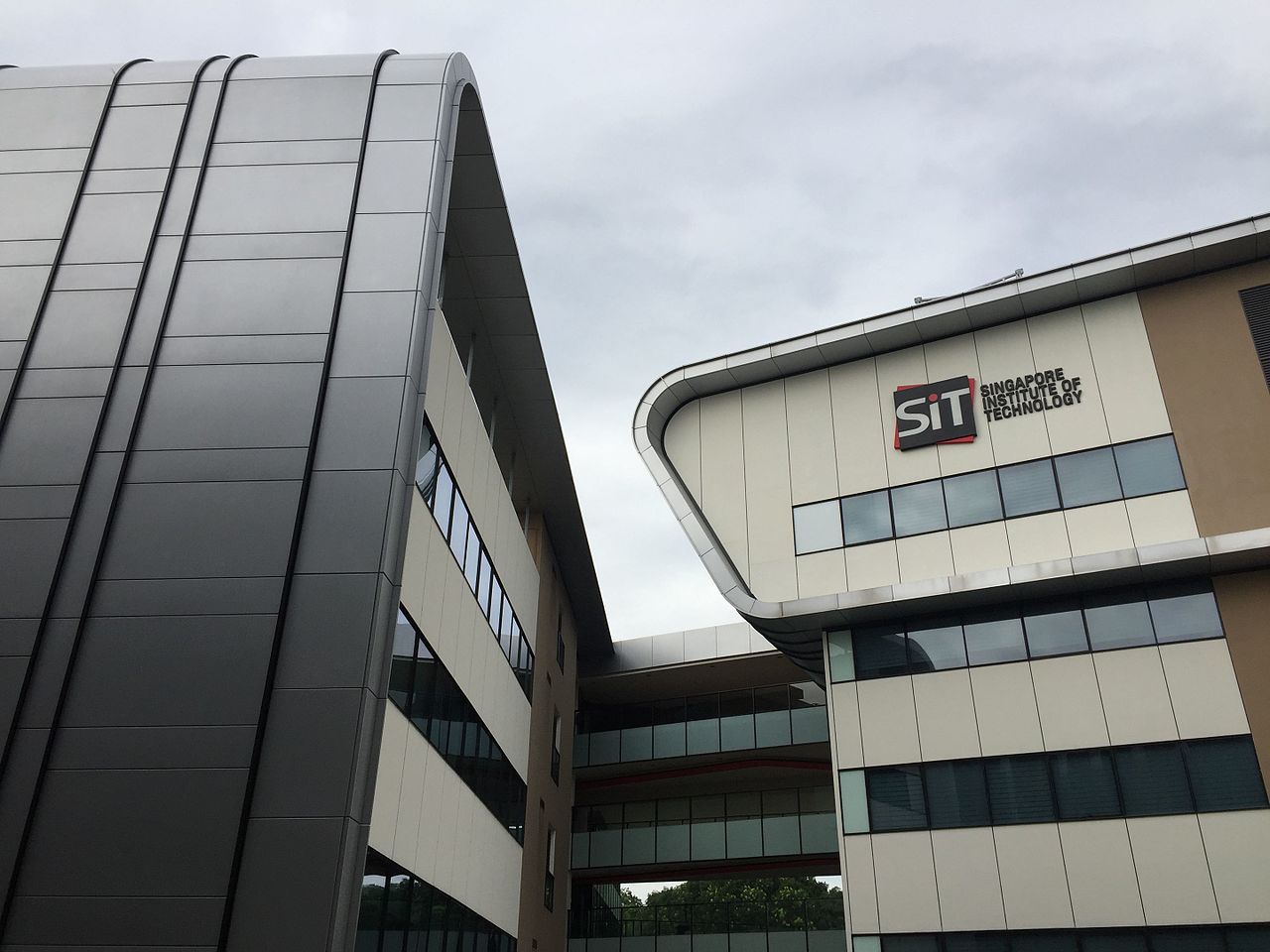
Singapore Institute of Technology. Photo credit: Smuconlaw.
At the Singapore Institute of Technology (SIT), one of the nation’s two STEM-intensive campuses, students are working hard to take their lab prototypes to the market too. Bobby Lim, a mechatronics student there who recently failed his IoT venture, shared about the strong support he received from his university. According to him, the university helped him land grants, create business plans, and put him in touch with relevant mentors.
However, as with other schools, I found that there was a lack of a structured program in the entrepreneurial support Bobby received. This can probably be attributed to the maker culture of SIT. Most students love building, but are essentially not businessmen or are not as willing/ready to found a startup around their product.
Bobby sees that there is some room to build a culture of entrepreneurship—not just maker-ship—on campus.
The landscape of startup competitions
Conclusion





Stay updated on the go with our mobile app.
Get latest insights with smoother, more personalized experience through TIA mobile app.