- Insights This article was written by a TIA community member. Insights pieces undergo the same rigorous editorial process that newsroom-produced articles have.
 Jeffrey Towson · · 4 min read
Why Kai-fu Lee thinks China is winning the AI war
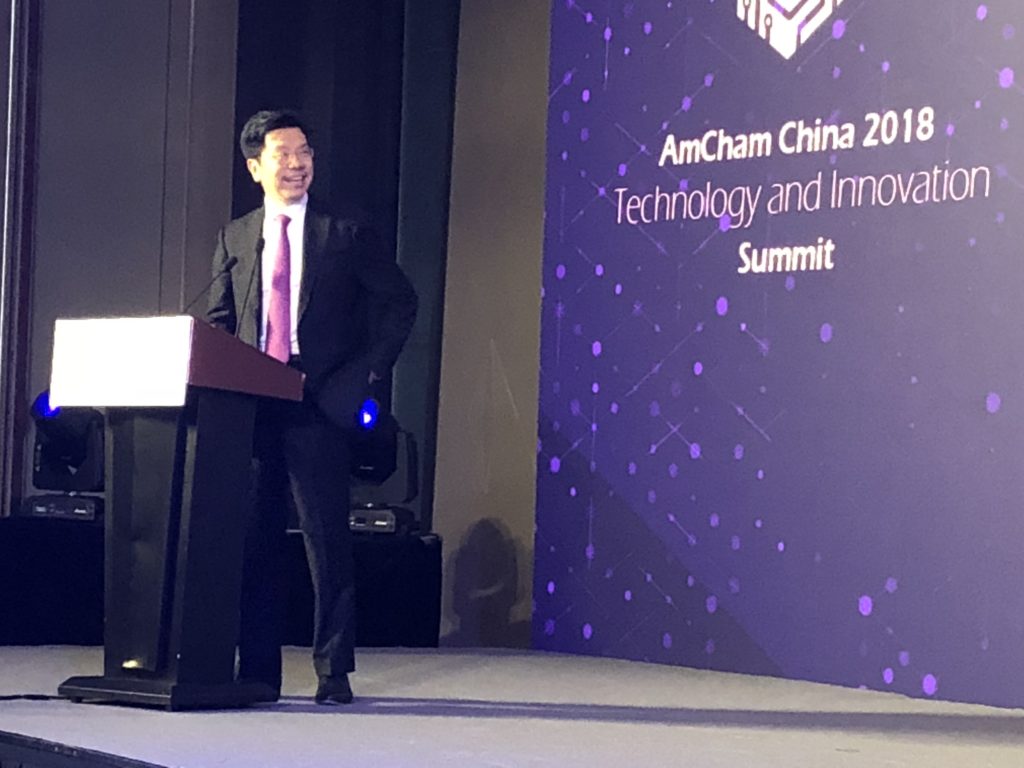
Kai-fu Lee has released a new book titled AI Superpowers. It broadly compares artificial intelligence in China and the US, and it’s getting a lot of press. I was fortunate to hear him present part of his book at an Amcham event in Beijing.
The book doesn’t go into AI or business questions too deeply; it’s more personal and high-level. But peppered throughout are some fascinating details about how AI is evolving in China.
So, here are my five takeaways.
1. China is well positioned for AI’s age of implementation
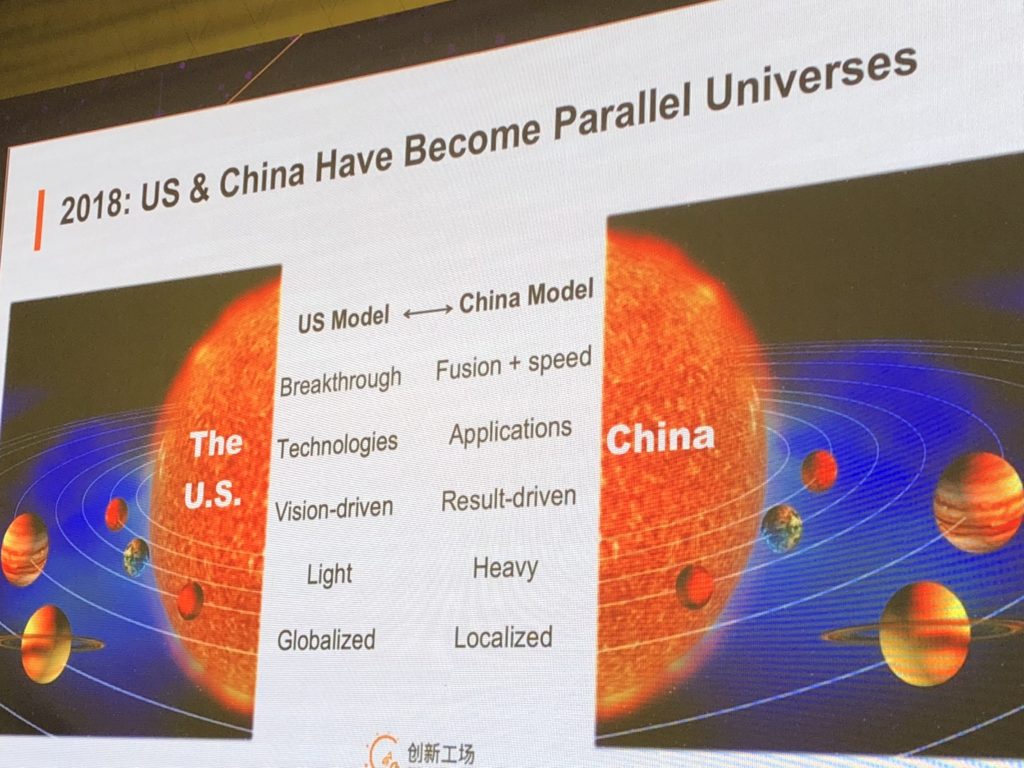
One of Lee’s main points is the below chart (from his Amcham talk). His point is that we are moving from an age of discovery to one of implementation in AI. And China is better positioned to win in implementation.
AI is no longer about elite cutting-edge AI researchers making big breakthroughs (which the US is better at). It is more about taking existing discoveries and implementing them in companies and industries.
He cites several key factors that matter in this implementation, such as having a lot of AI engineers, a robust entrepreneurial culture, and favorable government policies.
2. China has an advantage in data, and that’s what will matter most in AI
Successful AI algorithms need three things: computing power, big data, and an army of solid but not elite AI engineers. However, once you get to a sufficient volume of engineers and computing power, it is having more data that makes the difference. More data is how you win, and China has a wealth of data, especially on the consumer side.
Consumer and digital china is what really matters. While the enterprise side of digital China is not that developed, things happen fast in the consumer side (Tencent, Alibaba, Didi, etc.), and there is tons of data.
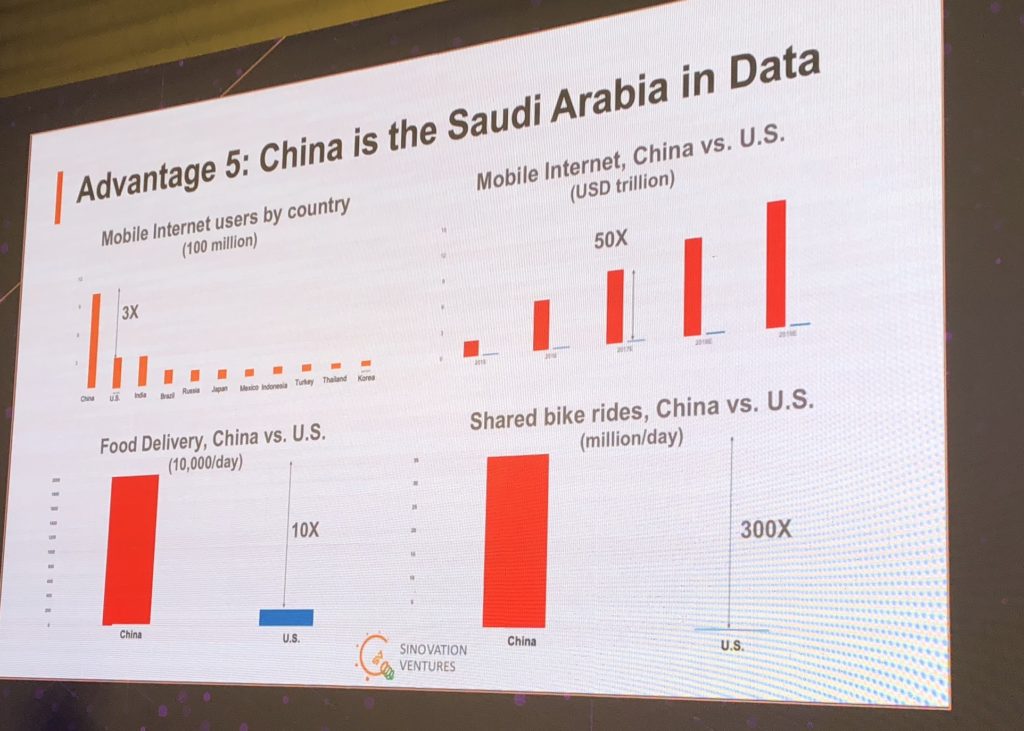
China has already surpassed the US in both quantity and quality of data. Chinese consumers are now paying for real-world things with their phones. This includes food delivery, on-demand masseuses, bike riding, bus tickets, and just about everything else.
3. Scrappy entrepreneurs are China’s secret weapon in AI
4. AI-driven automation will impact economies based on cheap labor and manufacturing
5. Meituan’s “War of a Thousand Groupons” is a good example of digital China





Stay updated on the go with our mobile app.
Get latest insights with smoother, more personalized experience through TIA mobile app.









📅 Upcoming Events
22 October 2026
Payoneer x CSPN Summit 2026