Leighton Cosseboom · · 2 min read
It’s official. The made-in-Indonesia rule for 4G devices will take effect. Is it good or bad?
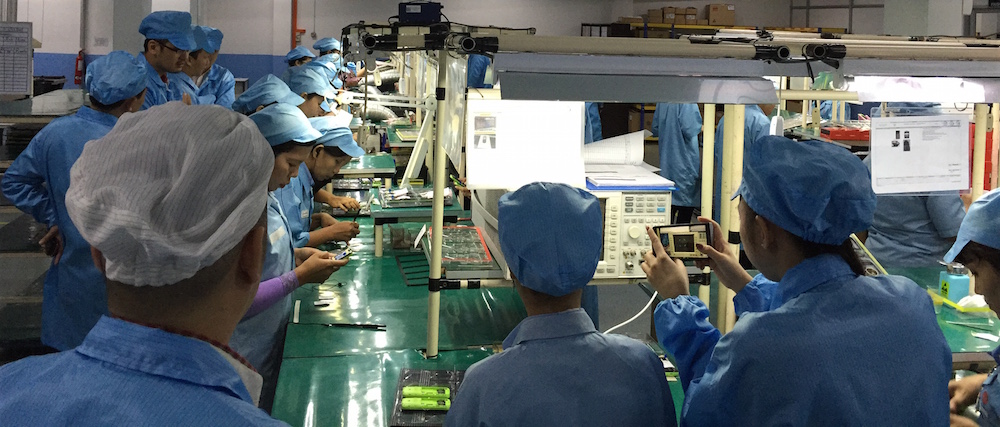
Hey guys. So, in recent months Tech in Asia has reported on a proposed law in Indonesia that would require some portion of all 4G mobile devices to be produced locally. The media – including us – reported around 40 percent. When I asked Indonesia’s tech minister Rudiantara personally, he told me that the media made up that percentage and those words never actually came from his mouth. Can I prove him wrong? Nope. Alright, fair enough Mr. Minister.
However, thanks to our friends at DealStreetAsia, we now know what the government officially aims to do just that. According to the article – and as per a signing of a decree by Rudiantara – starting January 1, all 4G LTE mobile devices in Indonesia will need to have 30 percent of their components made locally. Furthermore, this figure will be upped to 40 percent starting in 2019. Mind boggling.
“Through this policy, we want to […] increase value creation of Indonesian producers. This policy is also expected to help reduce our current account deficit,” said the minister.
Now that this is official, what do you guys think? Who stands to gain the most? Some can argue that local smartphone brand Polytron is in the best possible position, as it will inevitably get much more business and partners from this regulation.
But is the Indonesian government actually limiting business activities with this rule? Furthermore, can this rule even be enforced with the nation’s giant black market for phones and tech? What are three pros and three cons we can expect to see from this shift?
We await your feedback.





Stay updated on the go with our mobile app.
Get latest insights with smoother, more personalized experience through TIA mobile app.