- Insights This article was written by a TIA community member. Insights pieces undergo the same rigorous editorial process that newsroom-produced articles have.
 Charmaine de Lazo · · 5 min read
Engineering good user behavior in the sharing economy
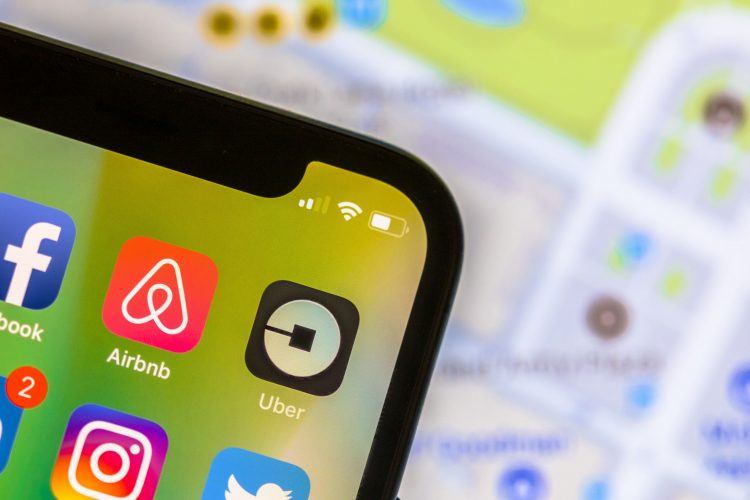
Photo credit: Rudmer Zwerver / 123RF
This is a Discuss post, where we feature short but insightful opinions from the Asian tech community on startup, entrepreneurship, and tech topics. Got a topic or question to suggest? Drop us an email or leave a comment.
Trust is the “currency” of the sharing economy. The industry has made us trust strangers for a ride, vacation home, and even money. But as it grows, it is not immune to bad user behavior such as theft, sexual harassment, and drugs.
So, we asked three experts to discuss how sharing-economy businesses should build and increase user trust. What do new startups in this space need to learn?
Editor’s note: Answers have been edited for clarity.

Alan Jiang, head of Southeast Asia at ofo and former country manager at Uber
While it is true that users in the sharing economy have to trust strangers, the more important form of trust is with the company/application. This trust extends beyond the person-to-person interaction. Users must trust the brand. They must have faith that their data, financial information, and movement details are all being used in a responsible and transparent way. This is the key area of trust that is required in order for the sharing economy to succeed.
A critical component for all players in the sharing economy is their relationship with customers. This includes the importance of educating users on their responsibilities. There will always be those who intentionally abuse the system, but this is an outlier.
To succeed and “engineer good behavior,” we must constantly educate and incentivize our customers to use our platforms appropriately. Education, however, takes time.
But there are many things players can do to accelerate user and public education. For example, one of the key things we are doing is working collaboratively with governments. We make sure to engage with all relevant government agencies before launching the ofo service. In some cases, we launch joint user education campaigns with governments to educate users about the benefits of bike sharing and how to use the service properly.
However, one area we are working hard to improve is public trust. We have seen that bike utilization (measured as trips per bike per week) increases as we deploy more bikes, suggesting that demand increases fast as supply increases. To manage our fleet, we have bike marshals to re-balance indiscriminately parked bikes, collect broken bikes back to our warehouse, and handle urgent bike removal cases issued by the Land Transport Authority.
This can be a positive change if we want to move toward a car-lite mobility model in cities, but the pace of acceptance is different between those who use shared bikes and those that have not yet tried the service.
Let’s discuss:





Stay updated on the go with our mobile app.
Get latest insights with smoother, more personalized experience through TIA mobile app.