- Insights This article was written by a TIA community member. Insights pieces undergo the same rigorous editorial process that newsroom-produced articles have.
 Jeffrey Towson · · 5 min read
I went to Didi’s HQ in Brazil. Here’s what I learned about ride-sharing in Latin America
Jeffrey is a TIA Star Contributor and publishes high-value content that serves the Asian tech community. Read more from TIA Star Contributors here.
China’s digital giants are going international—sort of.
Alibaba acquired Lazada and Alipay and Ctrip are following Chinese tourists abroad. Ant Financial also tried to buy MoneyGram, and there is a lot of cross-border ecommerce activity, mostly bringing foreign merchants into contact with Chinese consumers.
But the big question is, do China’s digital giants actually want to capture foreign consumers and foreign markets?
This is where Latin America is looking increasingly interesting. Mobike, for example, is operating in Mexico, Chile, and Brazil. Tencent has investments in Brazil’s NuBank, and Didi is now operating in both Brazil and Mexico.
After Southeast Asia, Latin America may be emerging as the next big market for digital China.
I recently visited the Didi headquarters in Sao Paulo, where they acquired local ride-sharing company 99. My goal was to figure out how Didi is different in Latin America.
The headquarters
As soon as you arrive in Sao Paulo, transportation is immediately an issue. Traffic is a real problem, and public transit (metro, buses, and trains) can be difficult due to the volume of people. So, the question of taking a taxi or ride-sharing comes up almost immediately. And ride-sharing companies like Uber, Didi-99, and Cabify are really important.
The Didi headquarters is in a nice Western part of Sao Paulo near the river, where they occupy three floors in a fantastic building.
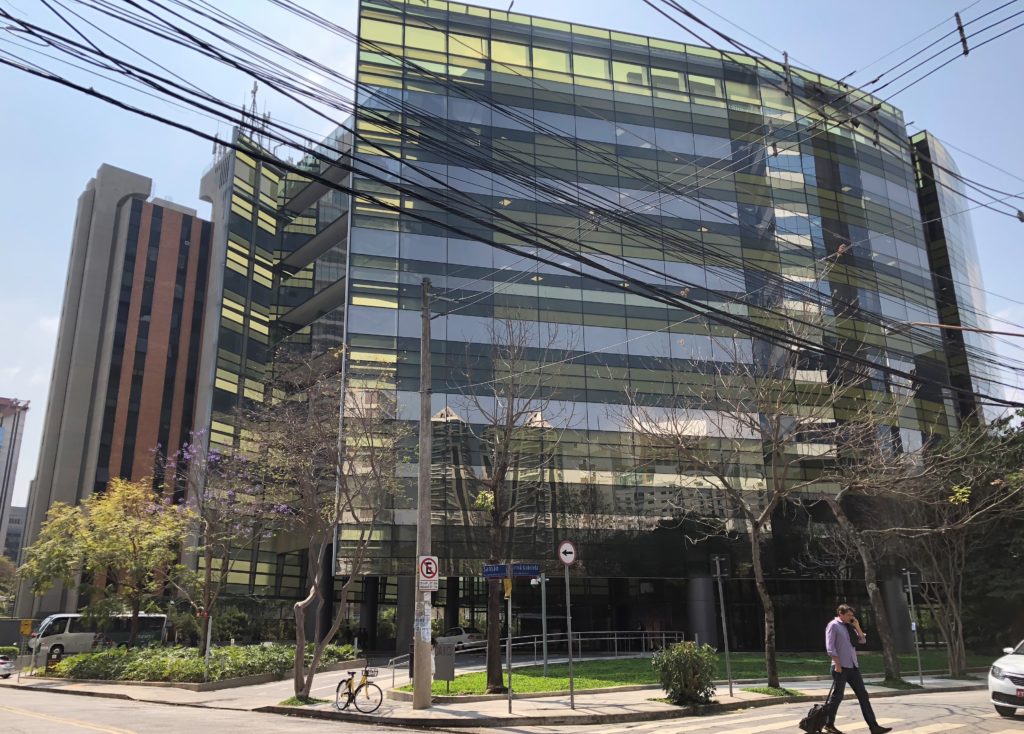
And they have all the “fun stuff” common to successful internet companies: a foosball table, cool meeting areas, comfy chairs, food and snacks, and so on.
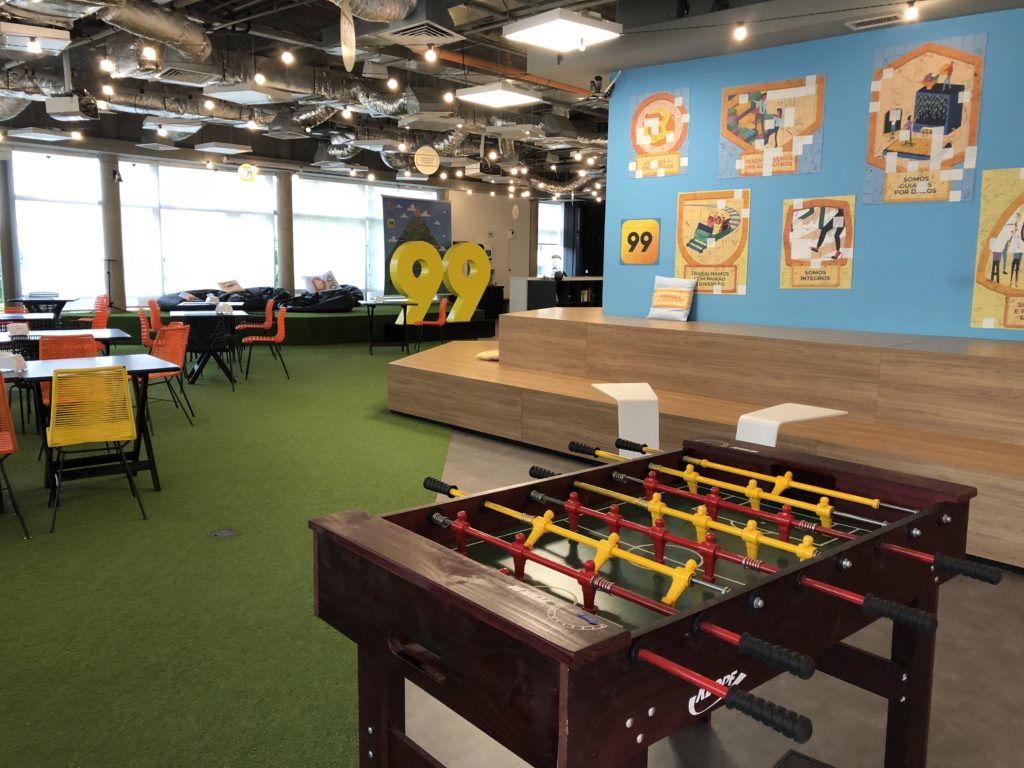
The whole office also has a bit of a transportation theme, with roads and street signs painted on the walls and floors. It is kind of a cross between an office and a young boy’s bedroom.
Driver interests and services are different in Brazil





Stay updated on the go with our mobile app.
Get latest insights with smoother, more personalized experience through TIA mobile app.








📅 Upcoming Events
22 October 2026
Payoneer x CSPN Summit 2026