Jim Daly · · 4 min read
Desperate landlords turn to Airbnb-like sites to make up for abandoned retail spaces
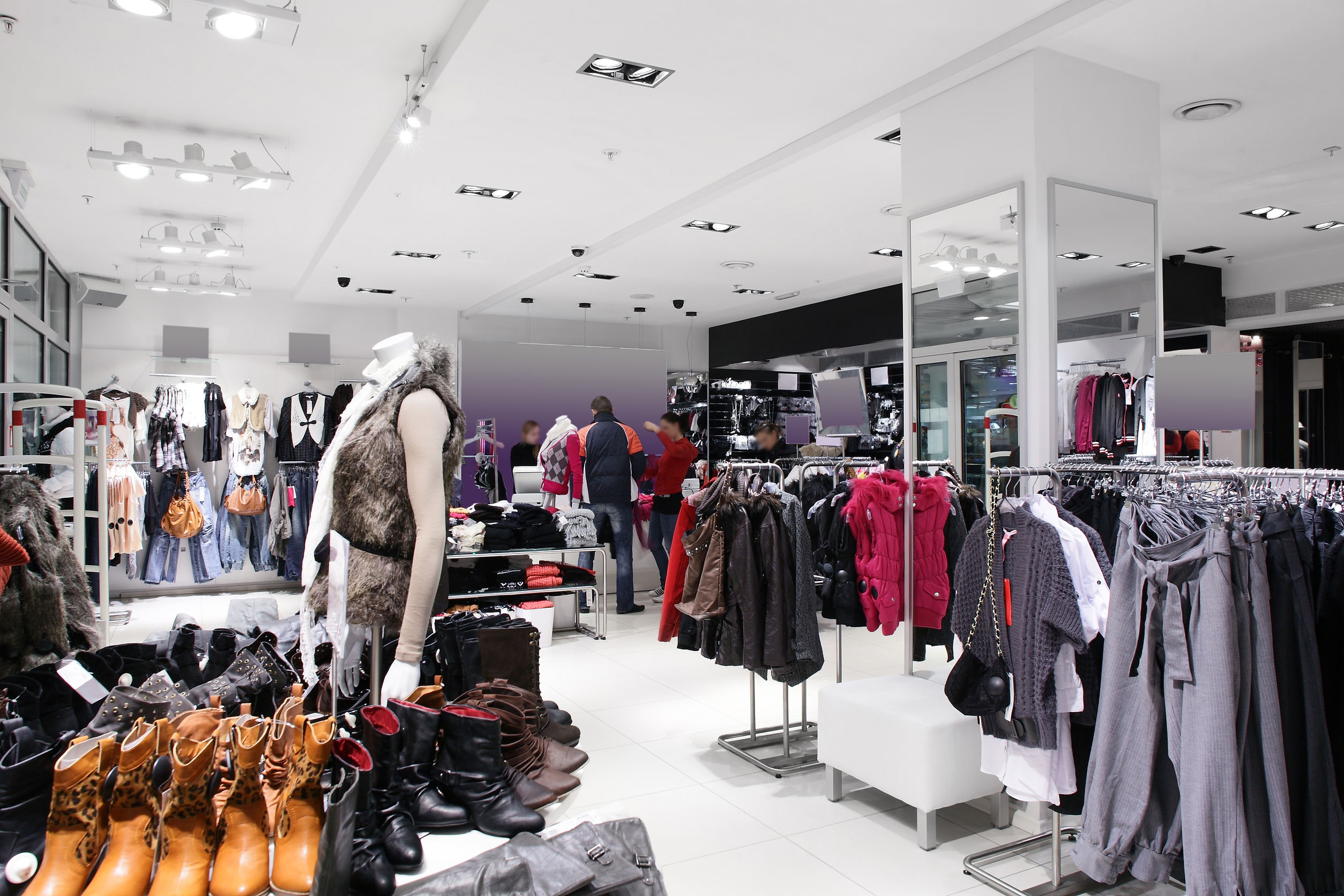
Photo credit: fiphoto / 123RF Stock Photo.
The ghost towns of today aren’t filled with tumbleweeds or creaky doors lazily banging in the wind. Instead, they’re downtown streets filled with empty stores or vacant shopping malls devoid of the vibrant blend of people, money, and consumption that once made these centers pulse.
All across the US, physical stores have been struggling to compete with online commerce. Retail is in a state of upheaval, with record vacancy rates even on shopping streets like Fifth Avenue in Manhattan. Recently, Ralph Lauren became the latest to leave, with plans to close its flagship store in midtown Manhattan, following similar departures by big names like H&M, Juicy Couture, and Kenneth Cole.
The ‘burbs are getting hit even worse. Howard Davidowitz, chairman of retail consulting and investment banking firm Davidowitz & Associates, Inc, recently told CNN that half the nation’s 1,500 malls will fail in the next 20 years. There’s even a photo book called “Black Friday” by photographer Seph Lawless, which displays his haunting images of empty malls in the Rust Belt states of Ohio and Michigan. He calls his project an “autopsy of America.”
Online stores have permanently changed our buying habits and now, they’re beginning to change the habits of landlords as well. As vacancies grow, landlords scramble to bring in new cash. One result is the influx of pop-up stores, with leases as short as a week in places like malls, main streets, galleries, and grocery stores. A pop-up shop is a temporary retail space used by one or more brands. It’s used often to test new ideas in an innovative way without a big cash outlay, and retailers like the lower rents and reduced commitment. For desperate landlords, a short-term tenant is better than none.
An Airbnb for merchants
This gap between supply and demand presents a ripe economic opportunity for several sharing companies. Storefront, for instance, is a platform that connects those who have shops or empty real estate in areas with high foot traffic and visibility with merchants seeking to peddle their wares. It’s essentially an Airbnb for merchants.
Listings on the platform vary quite a bit—from full retail spaces that can be used as full-blown pop-up shops to shelf space in half-empty boutiques. Locations range from cozy neighborhood shops, wide-open lofts, subway stops, to hotels. Rentals typically cost hundreds or thousands of dollars a day.
The platform is attractive for new brands in particular, and thousands of merchants have used the platform to open up shops in places like New York, San Francisco, Hong Kong, and Milan. The broker works with both leading property companies and brands, giving access to a huge database of spaces. Storefront makes its money on commissions (they take a cut from every booking).
The platform isn’t the only company to seize on this opportunity. Appear Here, which recently raised more than US$12 million in series B funding, is another marketplace for short-term retail space. It also announced the opening of a New York office, adding one more broker to a retail market that has seen an explosion in vacancies in recent years.
Business as theater
All of these recent shifts point to a more fundamental change in commerce: Companies must shift from simply offering an item to offering a relationship with their customer. Done right, these new arrangements can create even more long-term value than the old ones.
A key part of this change is a shift toward what’s called the experience economy. As the Harvard Business Review put it, it’s when “a company intentionally uses services as the stage and goods as props to engage individual customers in a way that creates a memorable event.”
These can be as weird and wonderful as setting up a store in a large shipping container or Adidas creating a pop-up that looks like a giant shoe box. Last year, Appear Here converted an abandoned men’s restroom in a London subway station into a trendy menswear shop.
In other words: Your business is a stage, and people want to get absorbed in the wonder of the performance. In today’s service economy, many companies (even large ones like Nike) simply wrap experiences around their traditional offerings.
Merchants often frame their pop-up services as a creative palette, a chance to create bold concepts and unusual ideas in fresh ways. Regardless of how successful a brand is online, nothing can replace the physical experience coupled with human interaction.





Stay updated on the go with our mobile app.
Get latest insights with smoother, more personalized experience through TIA mobile app.