 YoungHwi Cho · · 5 min read
I studied programming 2 years ago. Now I know why designers need to learn to code
YoungHwi is a star contributor for Tech in Asia and publishes exclusive, high-value content that serves the Asian tech community. Read more from star contributors here.
Should designers learn how to code? This has been a recurring debate. While people have differing opinions, I decided to study basic programming as a designer two years ago.
My startup provides mobile/web services, including a location-based chat app, a social marketing automation tool, and a blockchain-based online community. I was the product designer and co-founded it with a full-stack developer. My design work in the company doesn’t just focus on graphics or user interface design but also on the overall product architecture. This includes defining user demand, connecting them to the product’s core value, handling its concept and layout, and designing the overall user interfaces.
In the beginning, it was difficult for me to work with my co-founder because I didn’t have any knowledge in programing. Problems would always arise whenever I created a design that wasn’t considerate of tech limitations and development resources. It was very common for him to say, “This layout requires so much additional work to make it fit responsive screens” or “iOS doesn’t allow this function.”
If you’re a designer in a big company, you may not need to know how to code at all. Actually, an in-depth specialization in your scope may be more important than knowing HTML, CSS, or Javascript. However, if you’re in an early-stage startup or if you’ve co-founded one with a developer, knowing how to code is important to boost your work efficiency and design accuracy.
I’d like to share my personal tips on learning how to code and working with my tech co-founder in this series, “Designer who codes.” For this article, I want to discuss the benefits of learning programming as a designer.
Improving design work simplicity
In my opinion, the most important aspect of good design is simplicity. But not many designers consider the cost to a user when they create their designs. Rather, they focus on just authentic beauty.
This is very similar to when you purchase something. Giving the best value to your customer means giving them the biggest difference between the amount they paid and what they gained. Purchasing a product may not be good if you paid too much for it, for example.
Online product design is similar. Good design isn’t just about aesthetics but is related to the difference between what your user gains from your design work and how much resources they used.
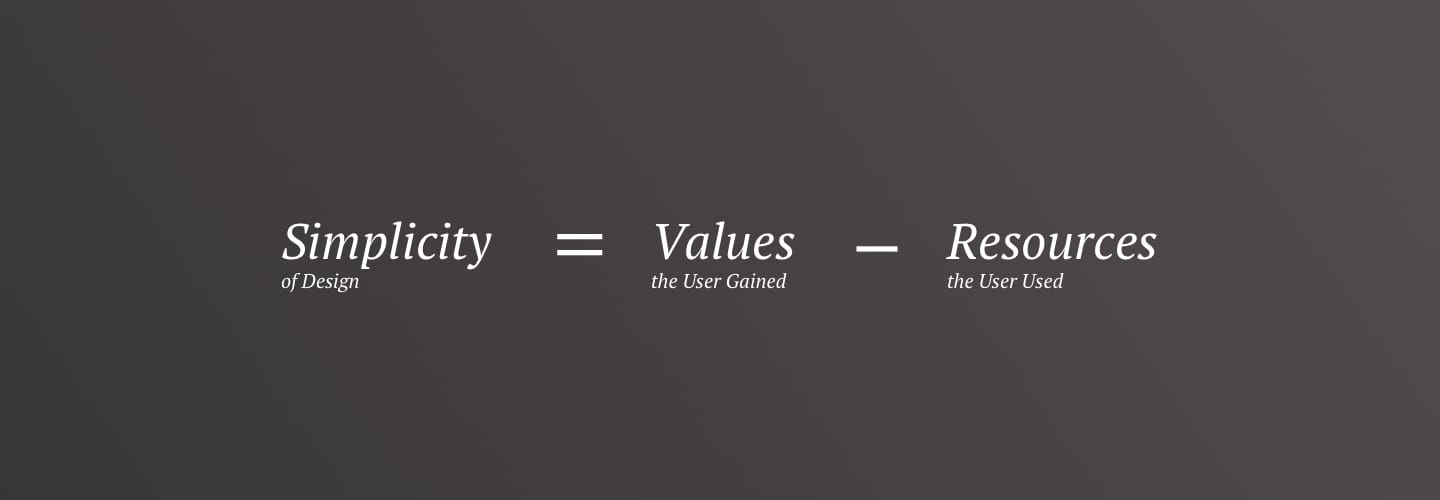
Design simplicity comes from the difference between what a user gained vs resources they used.
If you’re familiar with how the user interface works at the programming level, you can think more about the resources your user will consume when you build your design work. As a designer, these are some of the questions you may be able to answer if you learn how to code:
- Which design layouts or components make your website load faster?
- Can this navigation bar be applied to any device screen?
- Will these image sizes affect the page loading speed?
- Will these buttons and images be pixelated on retina displays?
- Which is a better choice between SVG and PNG icon components in each situation?
- Will this content work better with a pop-up screen, separate page, toggle screen, or a real-time data formatted web page (like a queried server with Ajax and JSON formatting)?
You can consider development limitations and resources
You can communicate with your developer faster





Stay updated on the go with our mobile app.
Get latest insights with smoother, more personalized experience through TIA mobile app.









📅 Upcoming Events
22 October 2026
Payoneer x CSPN Summit 2026