- Insights This article was written by a TIA community member. Insights pieces undergo the same rigorous editorial process that newsroom-produced articles have.
 TingYi Chen · · 6 min read
A closer look at China’s paid audio content boom
It used to be that Chinese internet users were not willing to pay for digital content. You could easily get the pirated versions of e-books, music, and movies, so why spend the money?
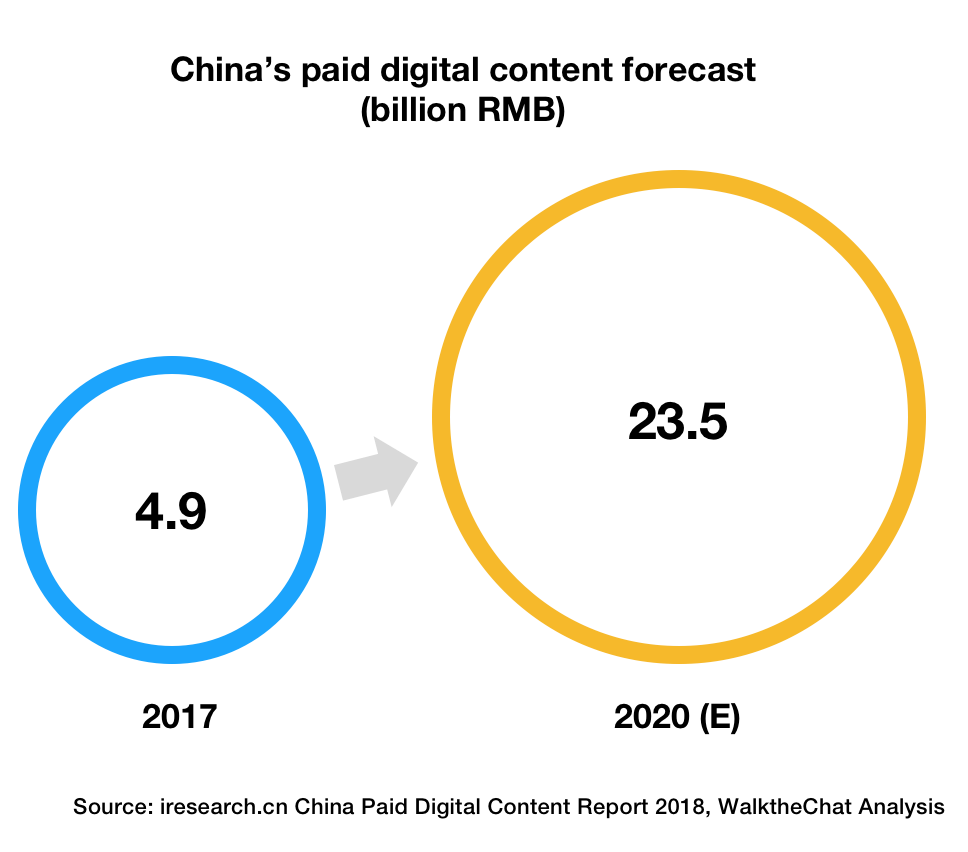
This has changed in the last two years. China’s paid digital content market is expected to grow from US$736 million in 2017 to US$3.5 billion in 2020.
China’s rapidly growing audio content market
Since 2016, the audiobook market experienced rapid growth, reaching US$487 million in market size. Streaming platforms like Ximalaya (喜马拉雅) and iGet (得到) began to tap the paid content business, leveraging their hosts’ reputation to charge a fee for their content.
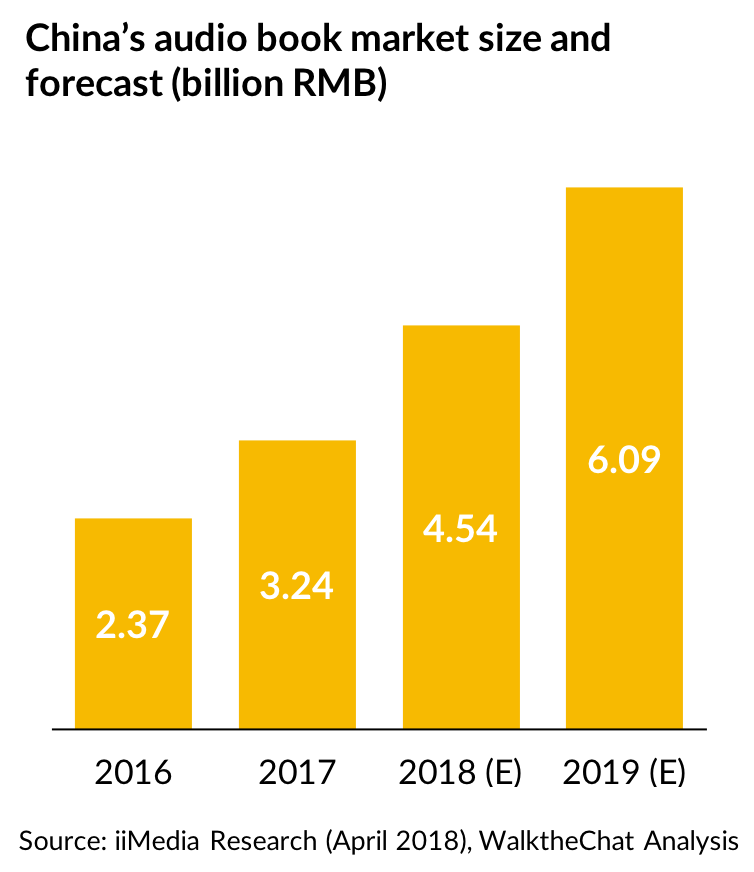
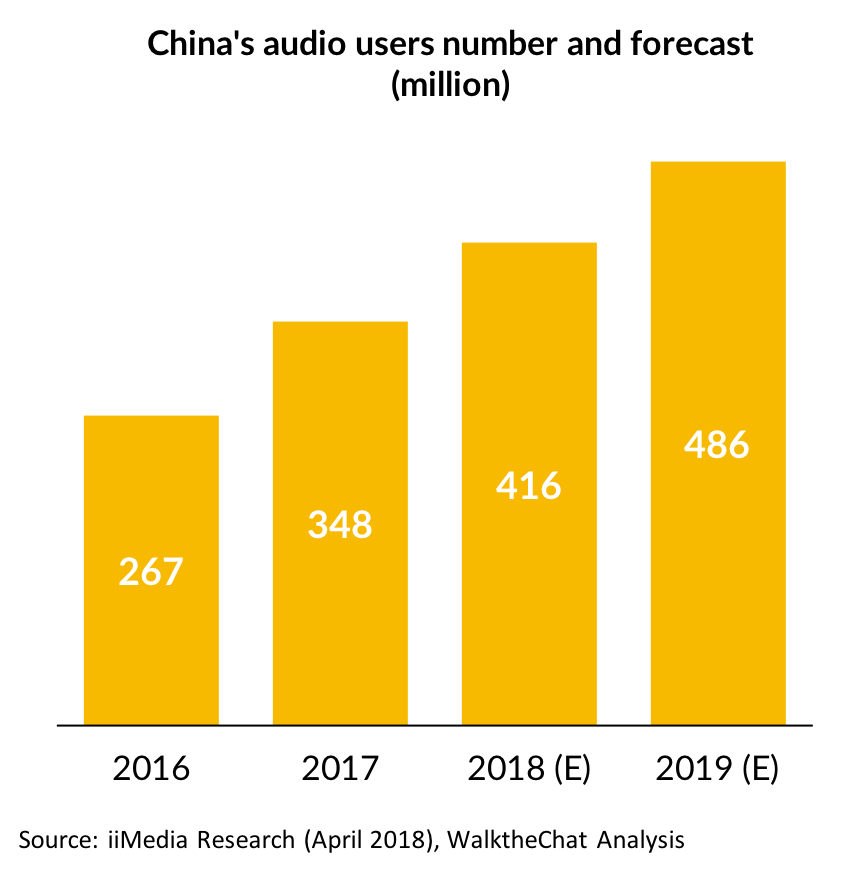
This translated into a 348 million-strong user base and was just the beginning of this pay-for-knowledge phenomena. The market size is expected to reach US$915 million by 2019, with 486 million users listening.
Why did Chinese consumers start to pay for digital content?
In the earlier days of the internet, tech giants relied on free content to attract users. And as the volume surged, it became difficult to weed through low-quality content. So, the time-poor, money-rich in China were willing to pay for someone else to do the curating.
A growing awareness of intellectual property among Chinese netizens and, of course, the convenience of mobile payments, have helped the industry flourish too.

Educational audio courses were one of the biggest types of paid content. As many youth suffer from tremendous pressure from their workplaces and families and earn low monthly salaries, they were eager to purchase shortcuts for career advancement. Audio training programs have become a popular choice.
Who is listening?
What does this mean for brands?
Conclusion





Stay updated on the go with our mobile app.
Get latest insights with smoother, more personalized experience through TIA mobile app.