For as long as they have been around, cities have been places where large pools of data are generated, aggregated and, in many cases, inadequately collected. These data represent a great deal of information that will increase as population grows. An economy grows because the information within it grows in aspects like connectivity of people and objects; thus, the ability to enhance and create information is a factor that can distinguish a wealthier city from the rest.
Data and information that are generated from and between the citizens of the city can, and should, play a key role in achieving the goal of sustainable development.
The public sector has been consistently challenged to deliver better services to its citizens, provide opportunities for economic growth, facilitating citizen initiatives and develop policies to improve citizens’ well-being. Therefore, data and information that are generated from and between the citizens of the city can, and should, play a key role in achieving the goal of sustainable development.
For the last decade or so, as part of the movement towards the so-called “smart city”, e-government initiatives around the world have substantially increased the amount of digitized data within city administrations. Along with Internet of Things (IoT), big data has pushed the limits on what humans can do through spreadsheets.
This article will discuss the primary benefits in some areas that the governments and its citizens can have through the initiatives of smart city, including case studies and challenges that come with them.
Public services
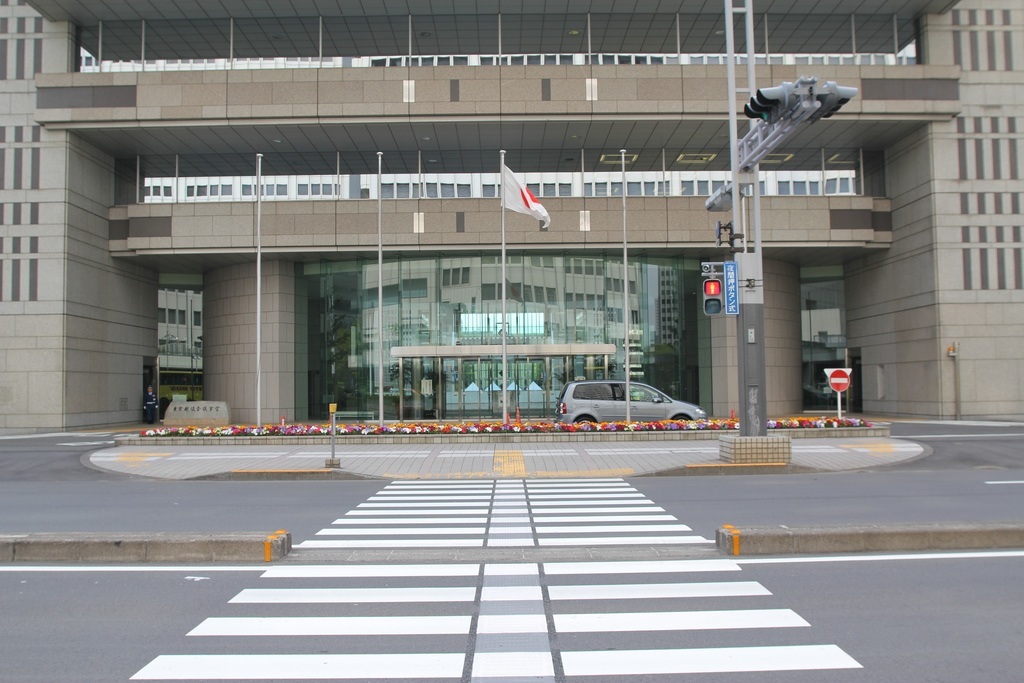
When digitized data in city administrations can be easier to access within corresponding agencies, public services can benefit the most from it. Agencies’ ability to pre-fill forms through previously-collected and stored data is one example that can save substantial time for citizens, as well as decreasing data redundancy and optimizing overall service time. In the United States, individual taxpayers are estimated to spend 5 to 20 hours on tax filing activities alone.
People’s opinions and reports are part of the citizens’ voice that will likely provide an insight, spot-on, real-time feedback to city administrations which should be able to assist them in providing better and faster public service delivery. Technology such as text mining (e.g. SAP HANA and IBM Watson) can make it easier to spot new and/or recurring issues around the cities, as well as highlighting trends and possibly providing early, or at the latest, real-time warning to citizens that might be affected by certain events, e.g. traffic accidents, construction projects, and severe weather.
Transportation
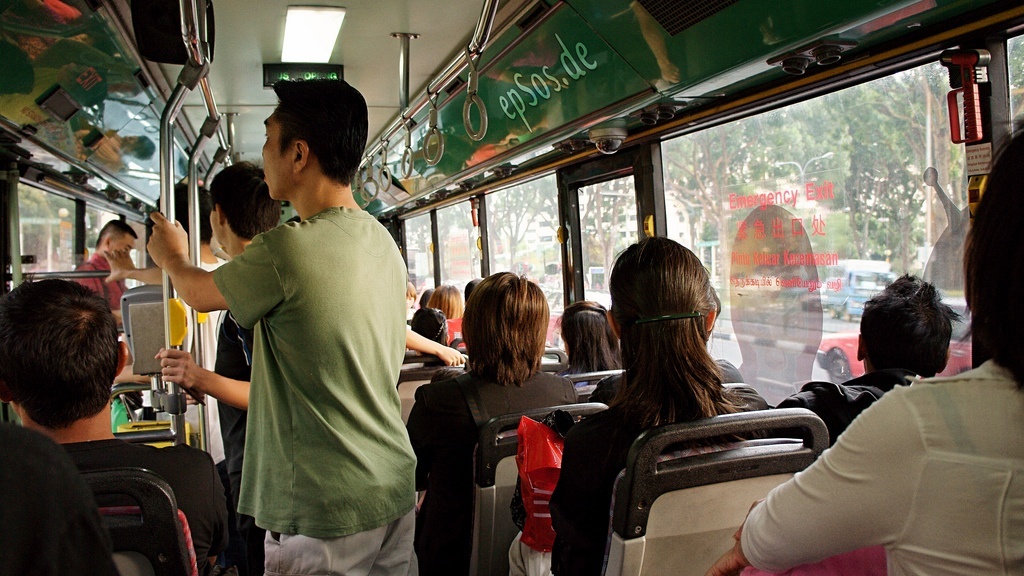
At the heart of all data-driven information that can contribute value to society, are sensors. Sensors are being attached in pretty much all the places and/or things that are considered relevant in collecting the required data. Applications related to transportation include public transport, street lights, public parking spaces, pedestrian paths, streets and highways.
Types of information that can be collected and thus presented are, e.g. geo-positioning, higher accuracy of expected delay/arrival times in public transportation, rush hour traffic flow, road congestion, path suggestion for traffic avoidance, and overviews of commuting habits of individuals.
Furthermore, data-driven information will be able to provide higher accuracy KPI measurements when showing a government’s effort to improve public transportation through its infrastructure project.
Smart City initiatives
Milton Keyes, UK
Challenges
Moving forward





Stay updated on the go with our mobile app.
Get latest insights with smoother, more personalized experience through TIA mobile app.