Nazish Zafar · · 6 min read
Bootstrapped founders say don’t rely on loved ones, take hits lightly, and 5 more tips
The QWERTY keyboard was designed in the 19th century for the typewriter. This scrambled arrangement of letters has stayed the same for over a century, even making its way to our digital screens. But the problem is that it’s very awkward when used on the phone.
David Eberle is looking to overhaul the digital keyboard with his co-founder Janis Berneker from Switzerland.
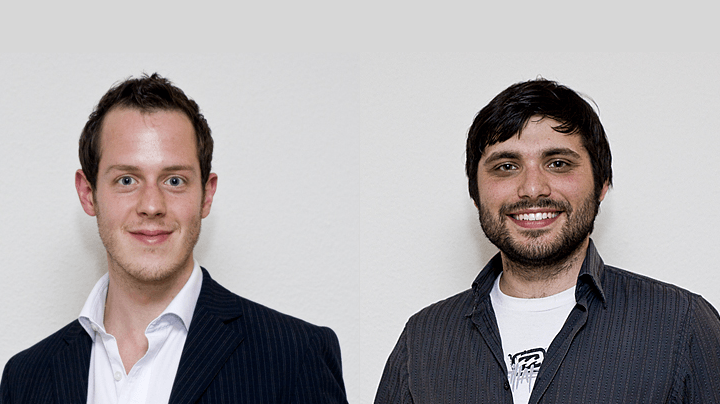
Co-founders David Eberle and Janis Berneker. Photo credit: The WRIO website.
They call their keyboard WRIO (Write It Once). The first thing you will notice from this keyboard is that the keys are shaped as hexagons—not squares—to create more forgiving spaces for fingers to slip around.
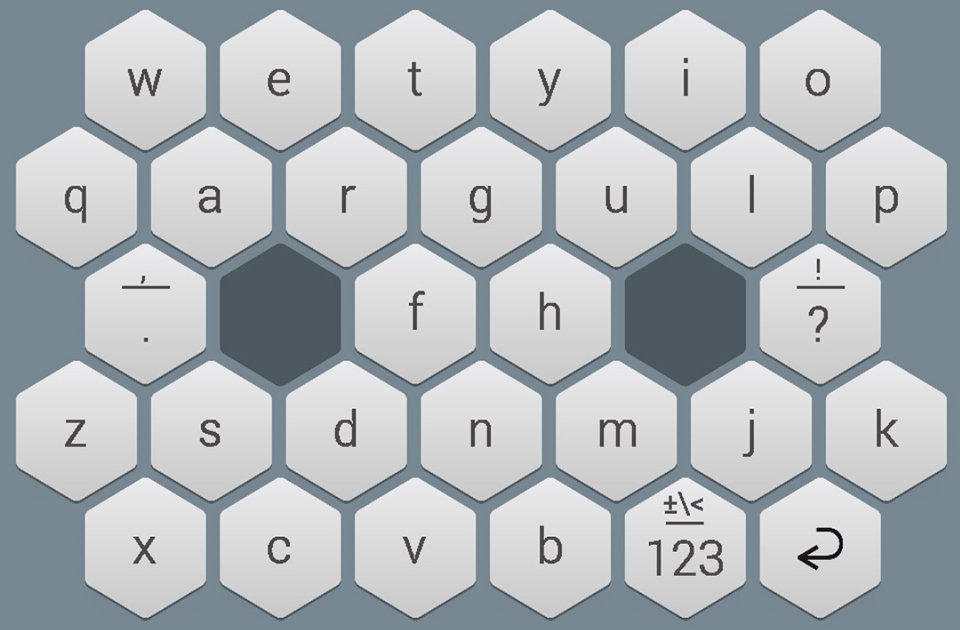
Hexagonal keys. Photo credit: The Awesomer.
Here’s a look at their journey and the insights they’ve learned from it.
Getting feedback: Find your first interested users
Just to make sure they were not exaggerating the issue of typing on phones, the two bootstrapped founders surveyed over 150 people. The responses they received were a resounding sigh of despair. They found that typing is a lot slower than most people would like and that people are constantly correcting their typos as they write.
Doing this survey turned out to be a good move not only to get a handle over specific pain points but to cream a list of people who were interested in trying something—anything—better than the current keyboard. From this list, they got in touch with people who were eager beta-testers and, ultimately, paying users.
Over time, this community has become an invaluable way to receive concrete and useful feedback on user experiences with their product. This relationship has allowed them to improve the keyboard more quickly.
Hiring on a budget: Tap university students
Now it was time to get started and make it happen. Without money to hire a full-fledged professional, the founders turned to steady bastions of talent: universities. They hired an Italian graduate student to create the prototype, giving him the chance to physically tinker with different design possibilities.
Their permanent developer, Sebastian, who also came from a university, joined during the beta phase of the product. Although he didn’t have significant work experience, they recognized his enthusiasm and talent.
“He was 19 years old, doing his undergraduate degree in Switzerland, and he was very motivated about the chance to work on an actual product,” Eberle said.
Sebastian is a core part of the team today.
Launching: Wait until you’re ready or get it out to market?
Kickstarter: Crowdfunding for global exposure
Public relations: Move away from personal relations
Staying in the limelight: Get on a public stage
Cornerstone of success: Friendship
Final advice: Take hits lightly
Looking to the future





Stay updated on the go with our mobile app.
Get latest insights with smoother, more personalized experience through TIA mobile app.