William Marks · · 6 min read
Here’s what happened when a design team reimagined bike-sharing with AR and a smart map
Living and working in Shanghai, we have seen bike-sharing boom over the last two years. We have been party to the excitement of the first few orange bikes that appeared on the sidewalks and now see the rainbow-colored clutter of brands that litter the streets today. Their success—and the associated social problems of bike dumping and safety risks for first-time cyclists—has gotten us thinking about how these services can be improved through a human-centered design (HCD) strategy.
By applying the tenets of HCD, improving the capabilities and features of the map, and introducing augmented reality (AR) technology where appropriate, bike-sharing companies can offer a richer, more useful experience for its riders.
The existing players have been great at building a user-friendly platform with a low barrier to entry and usage. But encouraging users to be socially responsible requires a human-centered approach, where empathy for their needs and wants must be built into the digital product and design.
Getting to know real users
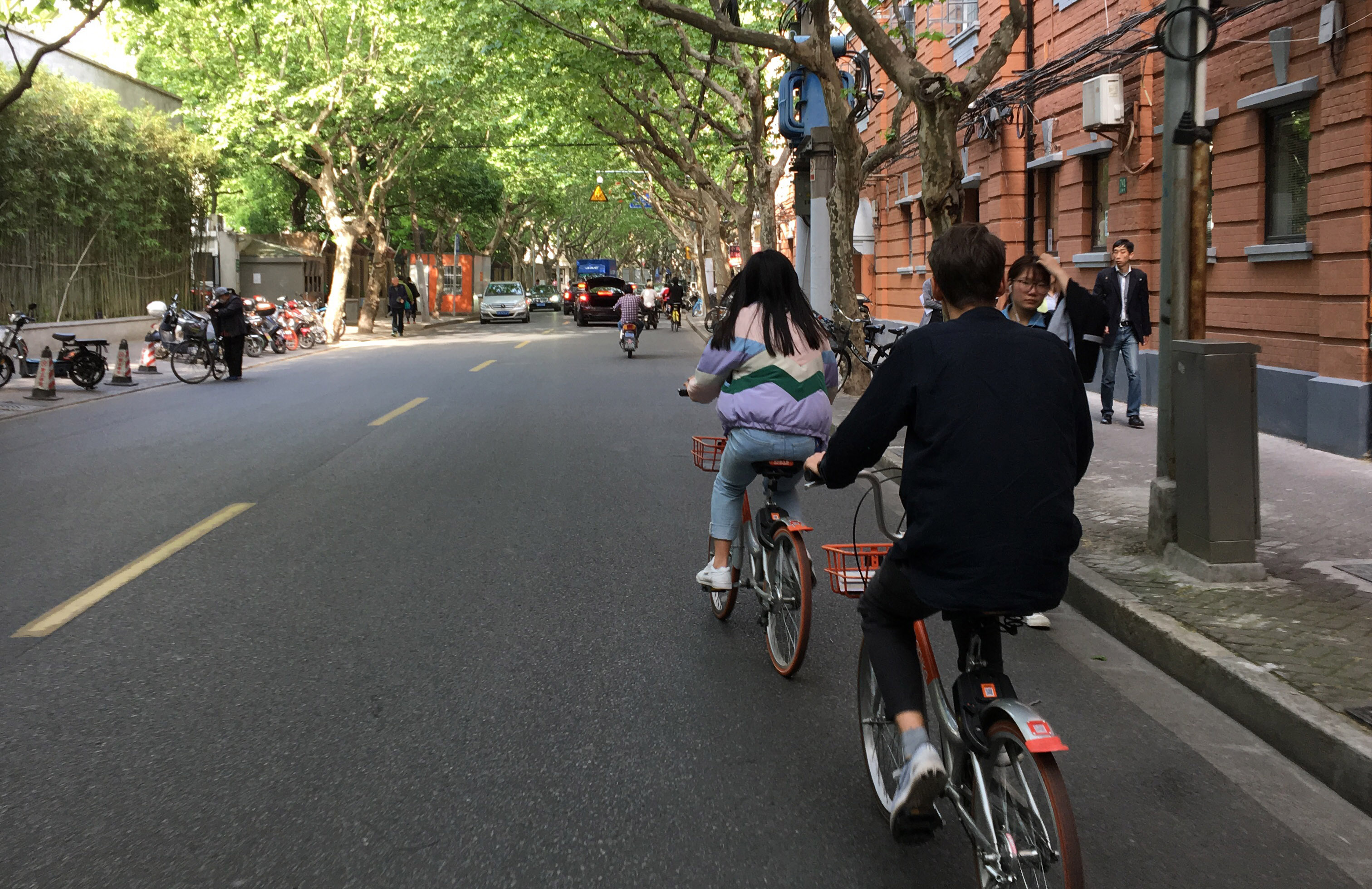
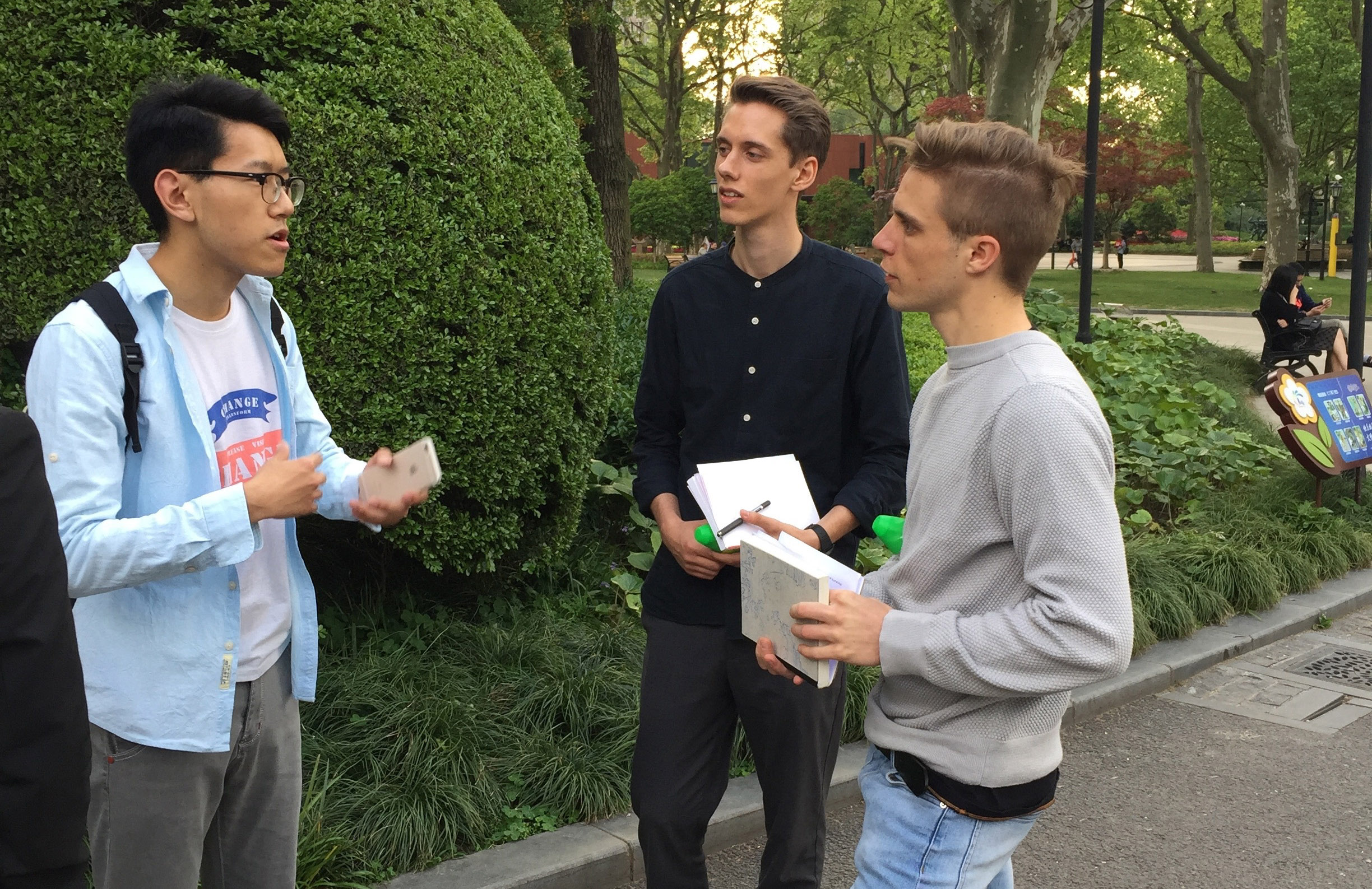
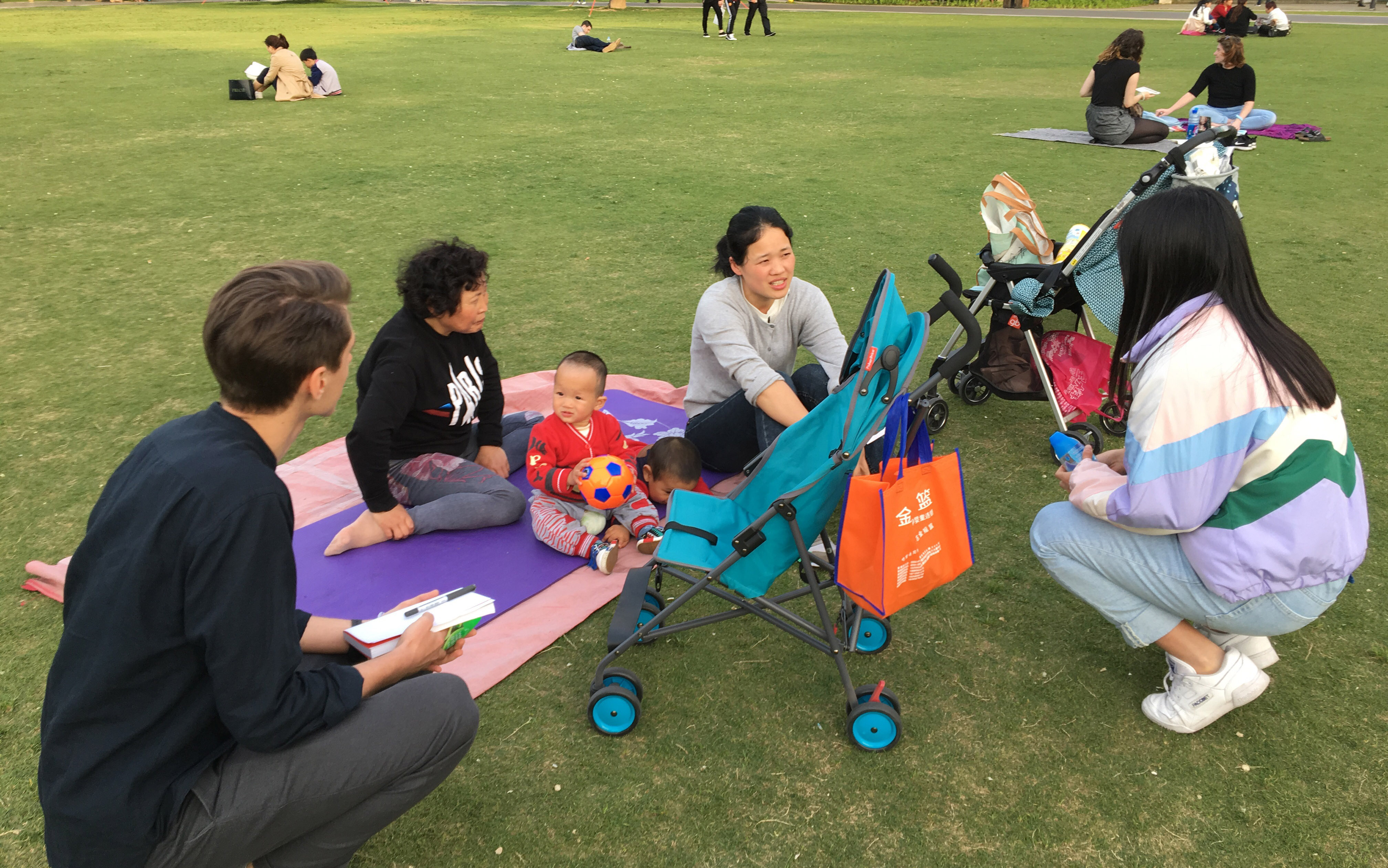
Three of our designers, Miguel, Yuki, and Julian, used the principles of HCD to imagine a solution to the problems of bike-sharing and improve the experience as a whole. To build the empathy required to design for this challenge, we first hit the streets of Shanghai to meet the people who use these bikes every day.
Bike-sharing attracts a broad range of users—from teenagers to grandparents. As such, our interviewees were accordingly diverse. We started by asking broad questions, addressing their life and habits, before drilling down into specific challenges and emotions about bike-sharing itself. With HCD, it is key that we are meeting users in their own space and that we consider each interviewee’s answers, body language, and demeanor when summarizing the interview.
A key pain point we found from our 20 interviewees was the lack of customization on the bikes:
- “My knees hurt when I cycle because the saddle is too low.” —Mr. Hu, a retired 55-year-old.
- “I want to cycle with my children but the bike doesn’t have space for them.” —Ms. Janice, a 35-year-old working mother.
Bike-sharing companies have already realized these needs and adapted their product range accordingly, with the launch of tandem bikes and adjustable seats in recent months.
More intriguingly, we also found that users feel insecure about riding on the dangerous roads and were confused about where they should park their bike. Here, we were able to ideate possible solutions using design frameworks to identify how technology could be used to address these pain points.
A human-centric solution to a very human problem
Based on an understanding of the specific problems encountered by our interviewees, the team prioritized these pain points. In particular, we set out to improve rider vision and solve parking and safety issues.
What are the possible solutions for these? We came up with an idea of an optimized map and interface catered specifically to the bike rider’s journey. We also tried pairing these with an AR function that provides visual cues to improve the rider’s decisions. The signals on the user’s phone screen provide the relevant information that could help them park in the right spots and drive more safely, creating a more seamless experience that may enrich the brand and business model of bike-sharing companies.
Visual wayfinding
Audio narration
Parking scanner
Commercial and urban exploration opportunities





Stay updated on the go with our mobile app.
Get latest insights with smoother, more personalized experience through TIA mobile app.