- Insights This article was written by a TIA community member. Insights pieces undergo the same rigorous editorial process that newsroom-produced articles have.
 Alex Paley · · 5 min read
7 early-stage recruiting mistakes I’ll never make again
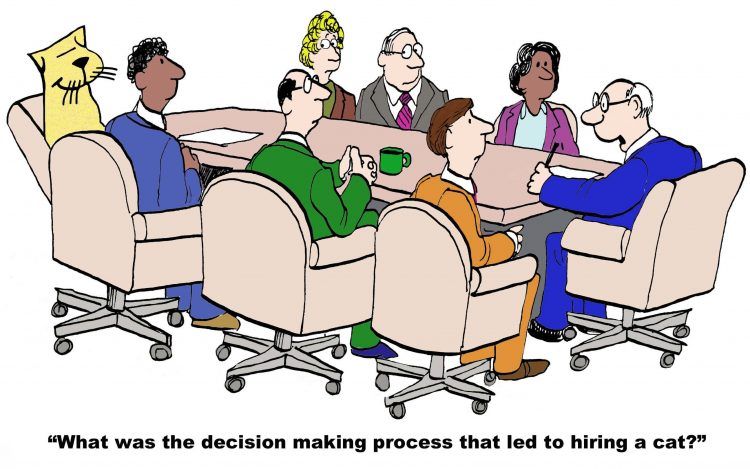
Photo credit: Andrew Grossman
In the early days of your startup, no decision will be more critical than your initial hires. I’m talking about your first engineers, product managers, salespeople, designers, etc.
If you hire the right people, your company, future employees, and investors will thank you for it. But if you hire the wrong people, it can be a nightmare—and this is coming from experience.
In building Dairy Free Games, my co-founder Dennis and I once expedited our hiring process to bring on a lead game designer we were certain would be incredible. He’d managed the game design and economy design processes for some of the biggest gaming companies in the world. He spoke eloquently and seemed like a slam dunk.
But after bringing him onboard, we realized he couldn’t execute. He had been in a big company for so long, delegating his responsibilities, that he could no longer “get in the weeds” himself. It wasn’t that he wasn’t interested in the work, but he simply was no longer a good fit for a small team and a startup environment.
Thankfully, we had the wherewithal to let him go almost immediately, but the experience taught me crucial lessons.
Here are seven other recruiting mistakes that I’ve vowed to never make again.
1. Not being 100 percent involved in all early hires
At least one member of the founding team must be heavily involved in making your initial hires.
One co-founder has to set aside a significant amount of their time to focus on sourcing, recruiting, interviewing, and vetting candidates, just as they would for fundraising. Recruiting is a full-time job at the beginning, and it will be much more successful if it’s managed by one co-founder.
It’s the only way, really, to guarantee you find someone who fits with and believes in your vision.
It’s why Mark Zuckerberg involved himself heavily in the interview process early on at Facebook. It’s why entrepreneurs like Karl Sun still interviews every hire. And it’s why Dennis and I vowed to never again outsource the recruiting process for key hires (either to recruiting agencies or other people on our team) during our company’s formative stages.
2. Not continuing to show the same excitement and attention to a new hire after they have joined
Founders and managers typically exhibit a lot of excitement and passion to a great candidate, hyping them up about the opportunity. Yet time and time again, we allow ourselves to be swallowed by our work and stop showing this same level of passion after the candidate comes on board.
The result? The candidate feels like they got fooled into becoming just another cog in just another machine.
For startups, this is the opposite of how you want initial hires to feel. In reality, you need to continue “selling” key candidates on your growing company and on their importance to it even after you’ve hired them. This is because you need to retain them.
3. Stopping the recruitment process after filling a position
4. Not sleeping on a key hiring decision
5. Weighing too heavily on your team’s input
6. Not standardizing your recruitment process
7. Rushing to hire after you’ve just raised money





Stay updated on the go with our mobile app.
Get latest insights with smoother, more personalized experience through TIA mobile app.