Karan Kashyap · · 4 min read
In India, you’ll be seeing more of these 6 items in brick and mortar stores
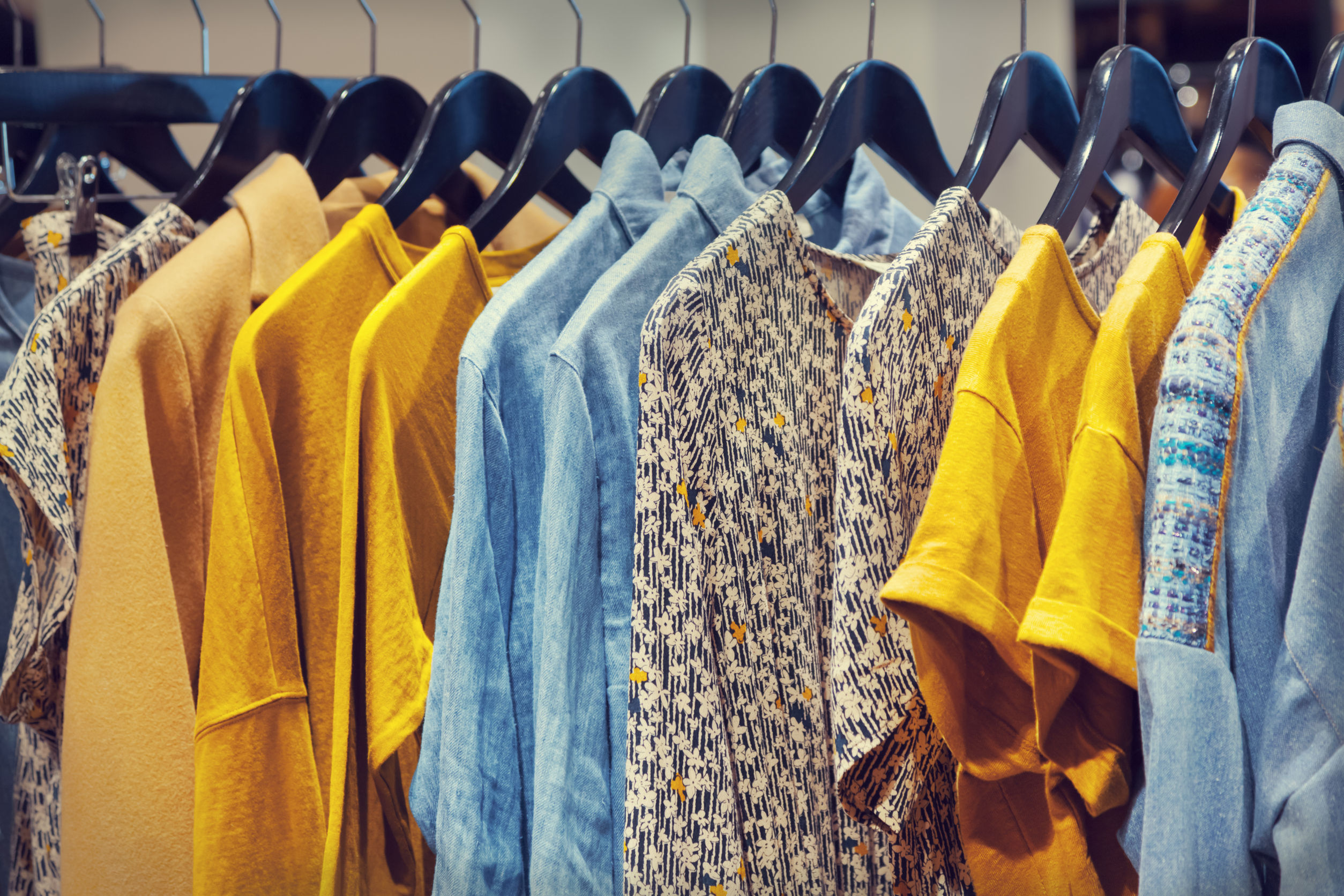
Photo credit: satina / 123RF Stock Photo.
Online retailing startups such as Snapdeal, Flipkart, and Shopclues changed the way Indians shopped. It became convenient to buy items at heavily discounted rates while sitting in the comfort of one’s home.
In 2017, however, this scenario is beginning to change due to demonetization, ecommerce restrictions, and a fall in venture capital funding.
The move to demonetize high-value currency notes in November 2016 led to a slowdown in the online ecommerce sector, where over 50 percent of orders are driven by cash on delivery.
With venture capital becoming scarcer, it has become more difficult to sustain promotions and discounts with investors’ money.
The government’s guidelines for foreign direct investment in ecommerce in March 2016 also curbed marketplace discounting and set limits for sellers.
As a result of these, US research firm Forrester has slashed projections for online retailing in India by more than a third from an estimated US$75 billion to US$48 billion by 2020.
In order to adapt to this new market reality, brands are looking to adopt omnichannel approaches. Here’s how this is playing out across some different markets.
Smartphones
Online exclusive smartphone brands such as Xiaomi, OnePlus, LeEco, Motorola, and InFocus are accelerating plans to generate a significant offline presence. Chinese brand LeEco plans to set up four to five experience stores and 100 exclusive outlets in India. They’re also looking to sell through multi-brand outlets in the country.
Popular smartphone startup OnePlus will continue its exclusive association with Amazon India for sales. They’ll also set up “experience centers” in seven cities. After testing OnePlus’s handsets at the centers, customers can order smartphones directly through Amazon. The ordered products are likely to be delivered within an hour of receiving a request.
Clothes
In March this year, Flipkart-owned online fashion retailer Myntra launched its first offline store for its private label Roadster in Bengaluru (the retail store has the same name as the private label).
The store is equipped with multiple touch screen displays which provide data on key looks and the Roadster catalog. Removing standard operating processes like checkout counters, lines, or excessive amounts of shopping bags, the unique “Scan & Go” purchase mechanism allows shoppers to add their favorites to their shopping cart on the Myntra App.
Myntra claims that their Roadster brand has surpassed US$77 million last year and contributes over 8 percent to Myntra’s overall revenue.
Capital
Lendingkart is a startup that provides financial assistance to small- and medium-sized enterprises that transact online through marketplaces such as Flipkart, Snapdeal, Amazon, Paytm, and Pepperfry. It provides collateral-free loans of up to US$15,473, with interest rates depending on the risk profile of the customer. It assesses the creditworthiness of potential borrowers via analytics and data, including information that’s publicly available, and from third-party associates such as Flipkart, Snapdeal, and Paytm.
Furniture
Food items
White goods





Stay updated on the go with our mobile app.
Get latest insights with smoother, more personalized experience through TIA mobile app.