- Insights This article was written by a TIA community member. Insights pieces undergo the same rigorous editorial process that newsroom-produced articles have.
 RJ Balmater · · 5 min read
What I learned during my first 100 days working at a VC firm

Photo credit: Pixabay
This article is part of Tech in Asia’s partnership with Monk’s Hill Ventures where we publish articles that feature the firm’s valuable insights. For more articles in this series, go here.
The first 100 days in any new job can be daunting. Familiarizing yourself with new faces, methodologies, responsibilities, and industries is hard for everyone.
Below are some of my personal tips working in a Southeast Asian venture capital fund as an analyst. Hope they help you beat the learning curve faster should you choose to work for a VC firm.
Understand the investment thesis (aka your new bible)
Every VC has their own organizational structure, set of portfolio companies, list of investors, and most importantly, investment thesis. You should spend a lot of your time studying these critical parts even before entering the firm, as most analysts do not get the luxury of a senior team member holding their hand.
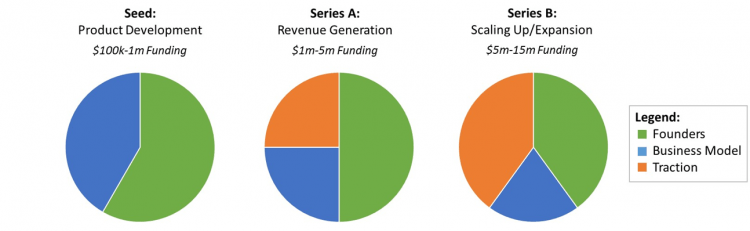
Thoroughly understand the VC’s investment thesis, as this is most important for deciding whether a company is worth pursuing or not. Know what stage your firm invests in (i.e. seed, series A, series B, etc.) and the different valuations and requirements they’re looking at.
For example, seed investors do not typically look for traction such as users and revenue, as companies are relatively young at this stage. Seed investments are riskier since they put a lot of trust on a founding team without any numbers to back it up.
Series A, on the other hand, typically requires user and revenue data to determine if a company is ready for a larger fund. Series B opens up more avenues of funding, which include synergies with conglomerates, private equity funds, and late-stage VCs. This requires more traction data as part of the due diligence process.
The other parts of the investment thesis include specifications on industry, geography, profile of founding team, and minimum market size. For example, at Monk’s Hill Ventures we typically look at high-growth startups operating in Southeast Asia. Particularly, we’re interested in software companies for scalability, a minimum total addressable market (TAM) of US$1 billion or above, and fundraising amounts between US$1 million to US$5 million.
Know the job
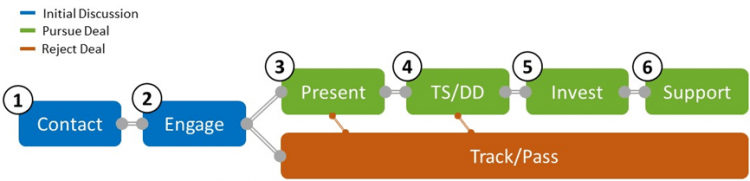
As an analyst, I am in charge of four main aspects: deal sourcing, investment analysis and research, portfolio support, and community building. You might find your role to be slightly different, but here’s a typical decision tree of a deal with a startup:
Study the terminologies
Network, network, network
Respect the founders





Stay updated on the go with our mobile app.
Get latest insights with smoother, more personalized experience through TIA mobile app.