Josh Horwitz · · 4 min read
Taiwanese digital media startup The News Lens expands into Hong Kong
English-language journalism had a busy year in 2014. Buzzfeed won over Silicon Valley investors (who don’t usually make media plays) and industry skeptics. Vox embraced “explainer journalism” and also secured sizeable VC funding. Solo bloggers fed their families, and renegade writers clashed with renegade outlets.
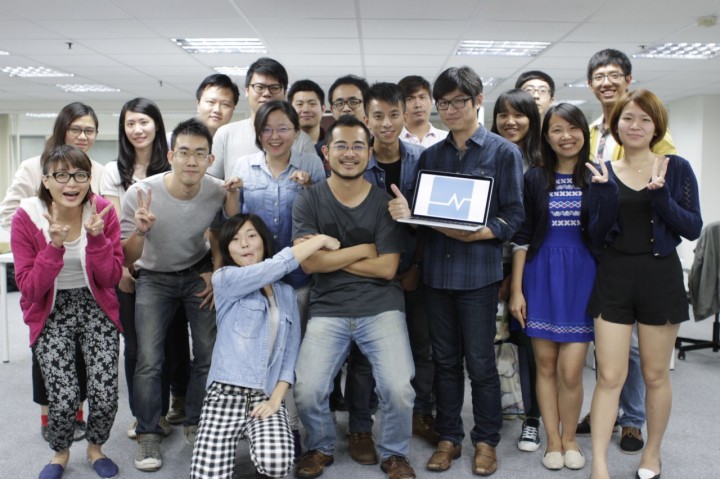
These developments in the US echo minor but meaningful changes happening in markets abroad. In Asia, many local media startups are harnessing internet business principles to edge out local newspapers and broadcasters. For Taiwan, big changes are happening at The News Lens. After covering the Sunflower Movement and this year’s nine-in-one elections, the company is moving out of the island and into Hong Kong.
For a year, The News Lens has been working to upend Taiwan’s incumbent media by importing the HuffPo model into the island. Through a combination of aggregated reporting, original reporting, and outsourced think-pieces, the startup has sought to reach young, well-educated Taiwanese who are disillusioned with biased journalism from the likes of United Daily News or The Liberty Times. Its articles clog the Facebook feeds of college students, and its videos are broadcast in taxi cabs, subway stops, and convenience stores all over Taipei.
But winning Taiwan was the easy part. CEO and co-founder Joey Chung says that while the expansion into Hong Kong was planned from the get-go, it’s now a necessity.
“We’re about to max out Taiwan,” says Chung. “We’re close to 4.5 million monthly uniques right now, and my guess is it will max out around 5 million. So if your domestic market is about to max out, then you go to your next organic market. For us, because of traditional Chinese, that’s Hong Kong.”
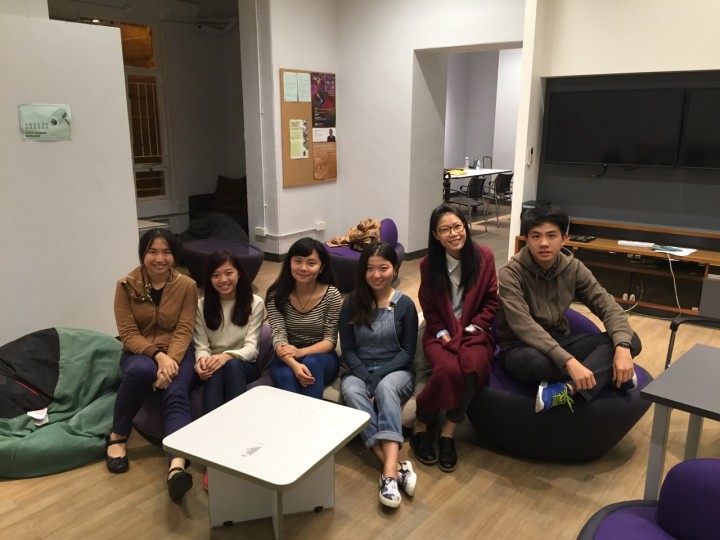
Chung and Mario Yang, co-founder and editor at The News Lens, have set up a small editorial team that currently works out of Hong Kong University. While they’re currently focused on aggregation and outsourced columns, Yang and Chung envision the Hong Kong office to resemble its Taipei counterpart, though perhaps with more staff from the mainland.
“Media is a very local business, so you need local people to cover the region,” says Yang. “Even though we both use traditional chinese, different people in different markets will care about different issues.”
To a certain extent, The News Lens’s entry into the fragrant harbour is a no-brainer. Chung says that at the height of Occupy Central, 20 percent of the site’s traffic was coming from Hong Kong. But whereas the media environment in Taiwan was fertile for innovation, Hong Kong’s new media startups are numerous – and not necessarily successful. Last July, Hong Kong’s anti-Beijing website House News abruptly shut down. According to SCMP, the site’s co-founders cited poor ad revenues, along with “political pressure” and “fear” as reasons for the closure. Chung hopes to use this challenging media climate to the benefit of The News Lens.
“All of [our competitors there] are very small, and that’s because they’re all very political – they’re either for China or against China. So we want to go in balanced. As rational, and as calm as possible.”
The News Lens’s expansion into Hong Kong is also significant because it marks the first major step towards the company’s greater goal – becoming the number one news website for ethnic Chinese all over the world. Visit Chung’s office space, and he’ll roll out a big map with all of The New Lens’s potential markets marked with post-it notes.
“We don’t want our teams to be too localized. In an ideal scenario, our markets should all converge into one,” says Chung. “‘There are Chinese-language newspapers, but there’s no big Chinese-language digital website,” he adds.





Stay updated on the go with our mobile app.
Get latest insights with smoother, more personalized experience through TIA mobile app.