- Premium Content It takes our newsroom weeks - if not months - to investigate and produce stories for our premium content. You can’t find them anywhere else.
 Melissa Goh · · 9 min read
The dark – and bright – side of cloud kitchens
We know this much about cloud kitchens: Also called dark or ghost kitchens, they are spaces designed to prepare food that’s meant for delivery. Simply put, they are centralized kitchens without a storefront, though some include a dine-in option.
For restaurateurs and budding entrepreneurs, cloud kitchens can be a low-risk, lower-cost investment to test a new location or fresh culinary concepts, as it doesn’t require a huge upfront capital outlay for real estate or infrastructure, unlike opening a new restaurant.
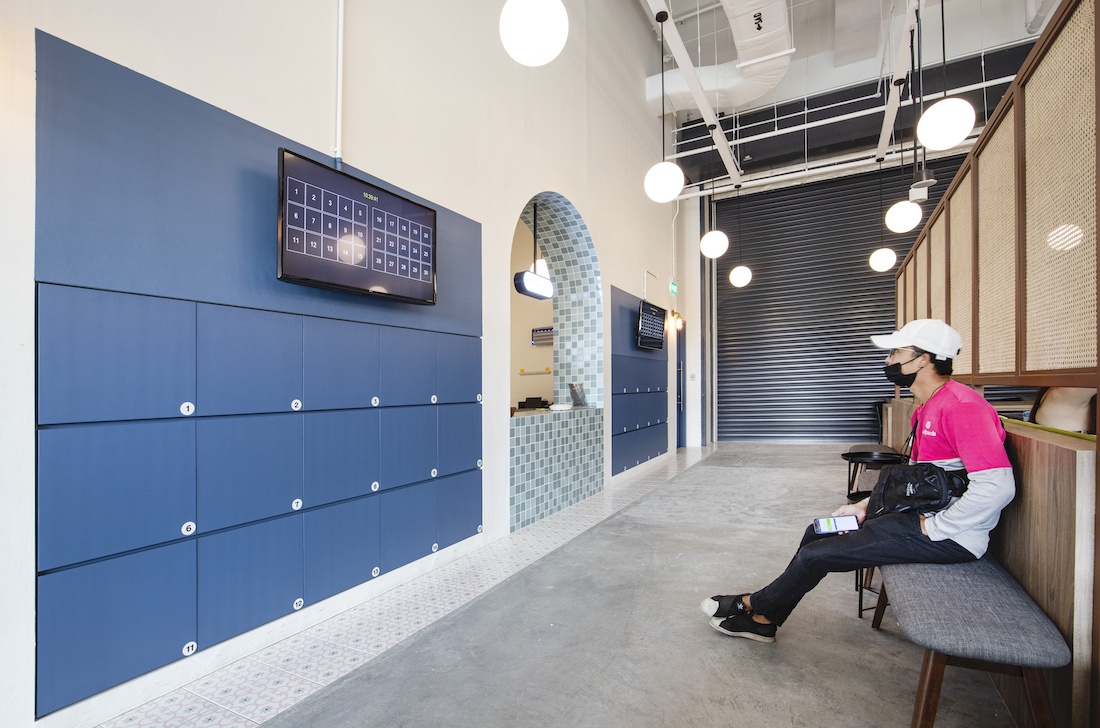
A delivery driver waiting to pick up an order at Smart City Kitchens / Photo credit: Smart City Kitchen
“It’s super efficient. Each operator gets a kitchen with basic equipment. There’s no front of the house, no dine-in area,” Arin Aghazarian, general manager of Smart City Kitchens (SCK) in Singapore, tells Tech in Asia. The startup, which opened its doors in the city-state in June 2019, is an affiliate of Uber founder Travis Kalanick’s CloudKitchens in the US.
Each SCK facility comes with exhaust, aircon, and plumbing. The firm handles all non-core services such as cleaning and pest control as well as interactions with delivery personnel who pick up takeout orders. All restaurant owners have to do is “bring in their own equipment and they can start operating,” Aghazarian says.
But there’s a catch: Because restaurants concede marketing, payments and delivery support to kitchen operators, they risk losing control of the very customers they serve. We’ve seen parallels of this in ecommerce, where marketplaces like Amazon offer a glimpse of how brands can become commoditized amid a sea of millions of other products.
You become a factory serving a landlord, who can squeeze you on all fronts.
Southeast Asia’s food delivery market is expected to grow to US$20 billion in 2025, recording a 50x growth from 2015. Despite such significant growth, industry players continue to lose money.
For food delivery companies such as Foodpanda, Deliveroo, and Grab in Singapore, or Swiggy and Zomato in India, operating a cloud kitchen is just one of many potential revenue streams. They also need to create other verticals such as grocery delivery to become profitable in a high-burn, thin-margin industry.
How it works
In exchange for infrastructural, marketing, and delivery support, cloud kitchen operators share revenue with their food and beverage (F&B) partners. Some charge restaurants a commission for each order while others charge a flat monthly fee with a variable component. Deliveroo says restaurants operating at its kitchens are not required to pay rent.
Cloud kitchen operators select F&B partners based on their popularity and projected demand. “For example, if a certain area has a lack of sushi options, we will look at bringing onboard a Japanese restaurant that sells sushi,” a Foodpanda spokesperson says.
Since their earnings are dependent on total order volumes, food delivery platforms have an incentive to help restaurants succeed through various means.
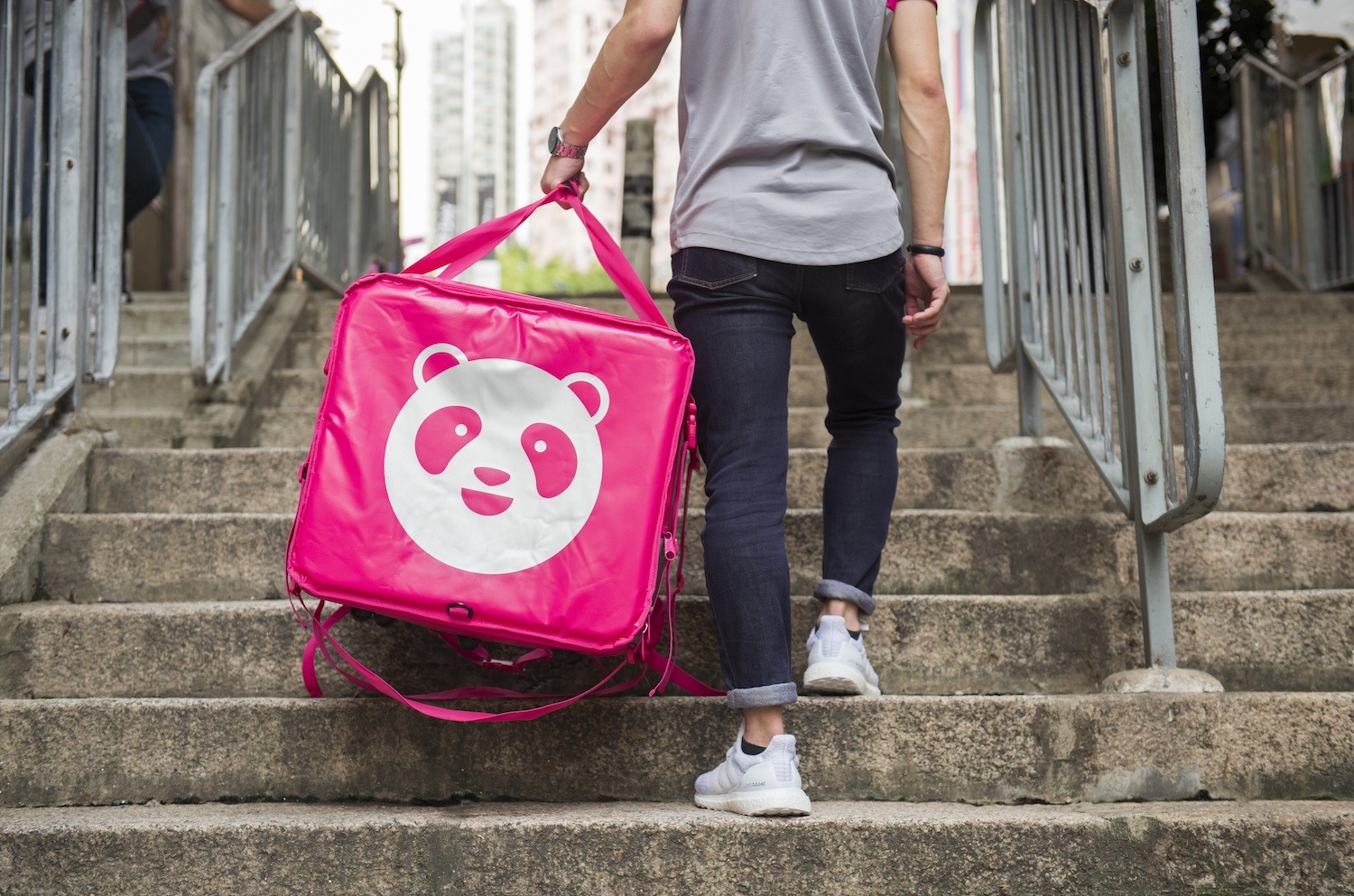
Photo credit: Foodpanda
Exclusivity concerns
From landlord to competitor
Not all bad
Stay ahead in Asia’s tech landscape
This is premium content. Subscribe to read the full story.
Cloud kitchens are becoming a formidable force in Asia, but what are they and how exactly do they work?
We know this is not ideal. ⌛ Sign up in 20 seconds. Cancel anytime.
Our subscriber community includes professionals from these companies:





Stay updated on the go with our mobile app.
Get latest insights with smoother, more personalized experience through TIA mobile app.