- Insights This article was written by a TIA community member. Insights pieces undergo the same rigorous editorial process that newsroom-produced articles have.
 Adrian Yuen · · 4 min read
What it takes to make Kuala Lumpur a smart city
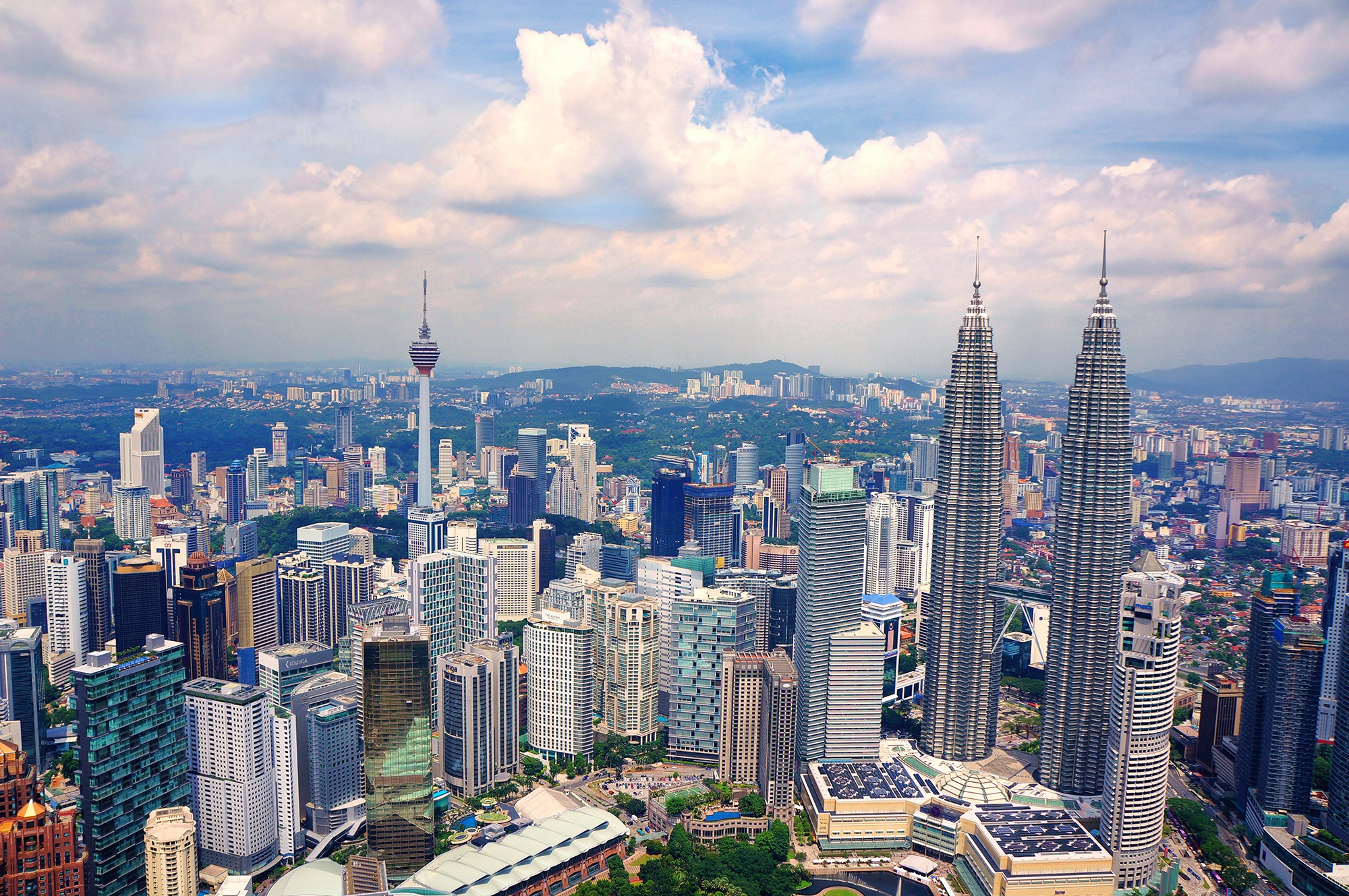
Photo credit: Vincent Liew
“Honestly speaking, the term ‘smart city’ is way overused; no one can pinpoint what it means,” said data scientist Dr. Lau Cher Han during the panel discussion in July’s Tech in Asia Kuala Lumpur City Chapter meetup.
The event looked into the applications of smart cities within the context of Kuala Lumpur, diving into the question: Is the city ready?
Governments all over the world are praising the smart city concept and working toward achieving it using technological advancements. But is this actually working?
Unlike some sessions that dive right into the tech of smart cities, the meetup focused more on the misconceptions that had to be addressed.
Myth 1: We should make everything in our city smart right away
To unpack this myth, we must first understand what is typically meant by “smart” in this context.
The image of a smart city is the adoption of technology such as sensors, AI, or blockchain into the city’s infrastructure. But technology should not be the center of initiatives; it should facilitate interactions between a city’s stakeholders to increase citizen satisfaction.
Warran Chan, CEO of ParkEasy, expands on this saying:
“We need to go back to the basics, look at the low-hanging fruits, and fix the most urgent problems, like flood management systems and road repair, for example. Don’t start with the ‘sexy’ stuff like solar-powered street lights, over-the-top surveillance systems, and fancy data centers.”
According to him, we need to focus on things that will change cities in ways that will be more obvious to its citizens. This will answer one of the key success metrics of a smart city: citizen happiness.
Dr. Lau agreed adding, “In my experience, my clients mainly look at the happiness of the rakyat (citizens) as the main goal of smart city initiatives.”
Myth 2: We need foreign tech
Having consulted with various countries and governments on smart city projects, Jeremy Lee (CEO of Social Ant) disagreed with the notion that Malaysia needs foreign tech to solve its problems.
According to him, not only does foreign tech limit the growth of Malaysian companies, it also can’t directly solve the country’s problems. “Smart city applications must be localized, as every location has very unique problems. There is no one-size-fits-all,” he shares.
Myth 3: Malaysia doesn’t have the right talent
B2G vs B2C
Takeaways





Stay updated on the go with our mobile app.
Get latest insights with smoother, more personalized experience through TIA mobile app.