 Alan Seng · · 4 min read
State of the Blockchain: Japan rises as bitcoin market leader
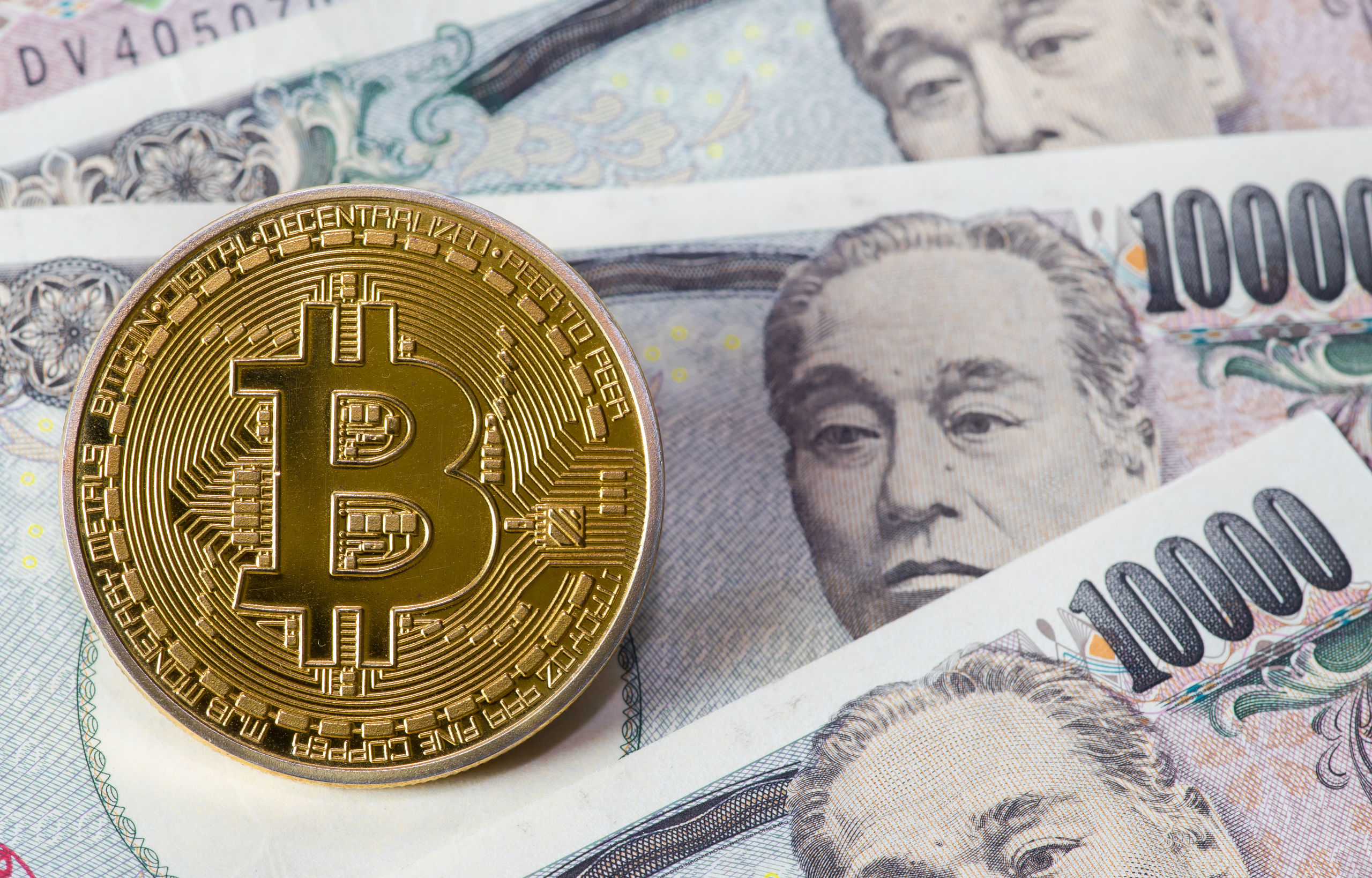
Photo credit: pboonrit / 123RF Stock Photo.
One of the largest China-based cryptocurrency exchanges, BTCC, has officially ceased its domestic trading operations this week. As China continues to crack down on the cryptocurrency space, cryptocurrency investors are now looking to Japan to step up as the market leader in Asia.
So why is Japan approving cryptocurrency exchanges while China is banning them? Are the governments in control of the blockchain revolution? Welcome to State of the Blockchain, where we explore the biggest developments in the blockchain and cryptocurrency world.
The tale of two nations
While China employed a heavy-handed approach to request all major local exchanges to cease domestic cryptocurrency trading, Japan’s Financial Services Agency (FSA) just approved 11 companies to operate cryptocurrency exchanges in the country.
A statement from Xinhua News Agency, the media arm of the Chinese government, expressed a negative view on cryptocurrency trading activities. It says that “exchanges are known to have concocted pyramid schemes and engaged in illegal activities—criminal activities disguised as scientific and technological innovation.” The statement also mentions that these entities must be met with “iron fist governance with zero tolerance.”
However, the statement did mention that a full regulatory framework will be released, which includes measures like implementing caps on large trading volumes, identity verification, and rigorous know-your-customer (KYC) and anti-money laundering (AML) policies.
It seems that all is not lost for Chinese exchanges for now, though the outlook appears bleak in the short term.
On the other hand, the Japanese are heading in a different direction as they aim to balance technological innovation and investor protection by embracing cryptocurrencies.
The Japanese market had their fair share of fraud and failures, with the infamous Mt. Gox hack being one of the most noteworthy cases worldwide. In spite of this, the FSA was undeterred from giving the green light for almost a dozen companies to continue their trading operations, provided that they abide closely to regulatory guidelines. Japan will not announce any bans on token sales as well.
Just earlier this year, the Japanese government recognized bitcoin as legal tender. As a result of its recognition and swift approval, Japan is quickly rising as a bitcoin market leader in the world. The Japanese yen currently accounts for about 60 percent of all bitcoin transactions.
The beginning of two camps?
The US might follow in the footsteps of their Japanese counterparts. At a recent event hosted by the Federal Reserve Bank of Philadelphia, acting comptroller of the currency Keith Noreika said that he is open to the idea of bitcoin and cryptocurrency firms applying for bank status and special licenses.
On the flipside, South Korea is acting similarly as the Chinese government. Last week, South Korea’s Financial Services Commission (FSC) declared a ban on all token sales and ICOs, stating that these unregulated fundraisers will provide a breeding ground for financial frauds and could be violating securities laws.
Are governments in control of the blockchain revolution?
It seems that governments have two options: to build fintech infrastructures and regulatory sandboxes to fulfill the needs of the industry or clamp down on the industry entirely. But the fate and future of blockchain might not be in the hands of the governments to decide after all.
Purists and cryptocurrency advocates will argue that the decentralized nature of cryptocurrency will render governments powerless. Whether a government stands for or against the trading of cryptocurrencies, nothing can stop the people from investing or transacting with them.
Other top news
ICOs this week
Great weekend reads





Stay updated on the go with our mobile app.
Get latest insights with smoother, more personalized experience through TIA mobile app.









📅 Upcoming Events
22 October 2026
Payoneer x CSPN Summit 2026