Jack Ellis · · 3 min read
Tech workers need lower rents and more friends. These guys help with both.
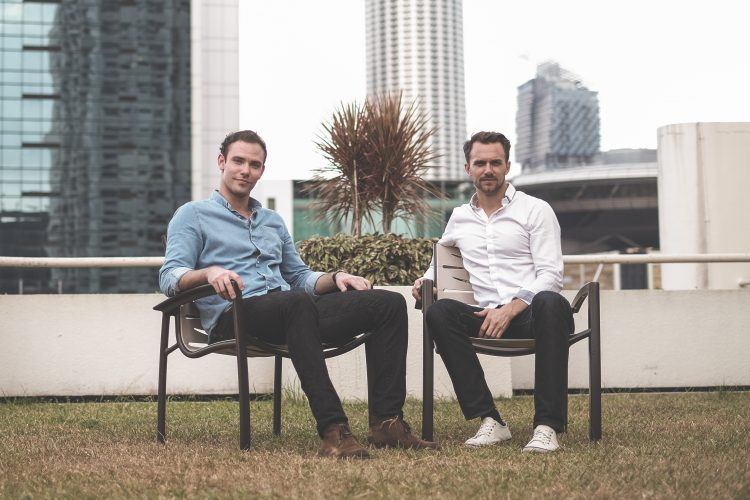
Hmlet’s co-founders – CEO Yoan Kamalski (L) and MD Zenos Schmickrath (R). Photo credit: Hmlet.
Co-working spaces have been one of the startup ecosystem boom stories of the past couple of years. Could co-living spaces be the next one?
Singapore-based Hmlet would certainly like that to be the case. The startup – which designs and manages shared, short-term accommodation aimed primarily at young tech professionals – has just raised US$1.5 million in seed funding.
Founded last year, Hmlet leases properties from landlords and real estate firms in the city centers of Singapore and Tokyo and refurbishes them to maximize living space. It then sub-lets apartments and rooms in those properties to tenants on a month-by-month basis.
It figures that such an arrangement suits many workers in the tech industry, who tend to lead a particularly mobile existence, often moving cities at the drop of a hat to chase the latest job opportunities.
A new type of real estate
Co-living – like co-working – is nothing new, admits Hmlet co-founder and CEO Yoan Kamalski. Besides the house-share experiences that many urbanites might have had in their university days, Kamalski tells Tech in Asia that in Japan – where Hmlet plans to expand beyond Tokyo – there is another precedent.
“Historically, Japan went through share-housing due to the economics of Tokyo and other big Japanese cities,” he explains. “With low salaries and costly accommodation, people had no choice but to live together in order to afford the right place to call home.”
Hmlet is targeting cities with similar characteristics. Six weeks ago, it opened its latest co-living space in Singapore – a multi-storey block in the Joo Chiat neighborhood which is already 95 percent occupied.
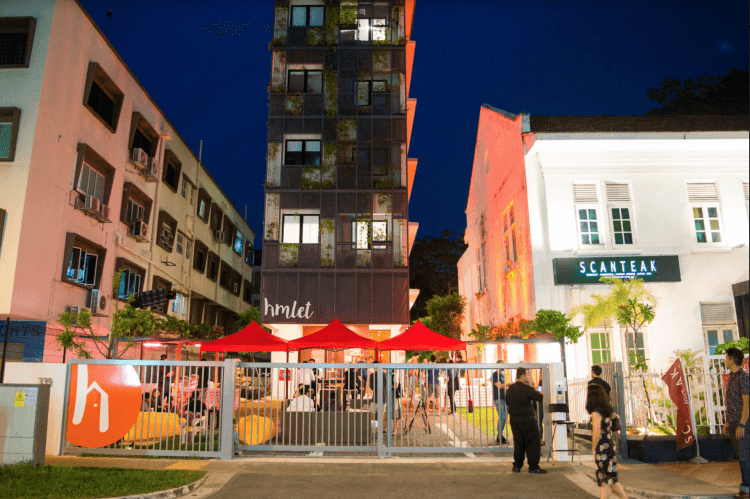
Hmlet’s new co-living space in Joo Chiat, Singapore. Photo credit: Hmlet.
Following its seed round, the startup wants to open spaces in Hong Kong and Osaka, in addition to expanding its presence in Singapore and the Japanese capital. It will also invest some of its funding into app development.
Kamalski says there is more to the “co-living space” concept than affordability, however. Living in shared accommodation not only reduces rent for would-be tenants, it also makes it easier for them to make friends and network while most of their waking hours are dedicated to working and career-building.
“People are lonely; we are not only looking for an affordable place to live, but somewhere that can empower us, somewhere with a community that is curated and brings our greater selves out,” he says. “We want a place that is flexible, yet makes us feel like we’re at home within the first night we move in.”
The co-living space approach “creates a new type of real estate that allows people to match their lifestyle, finances, and their desire to connect with people who may change their lives,” he adds.
Domestic harmony





Stay updated on the go with our mobile app.
Get latest insights with smoother, more personalized experience through TIA mobile app.