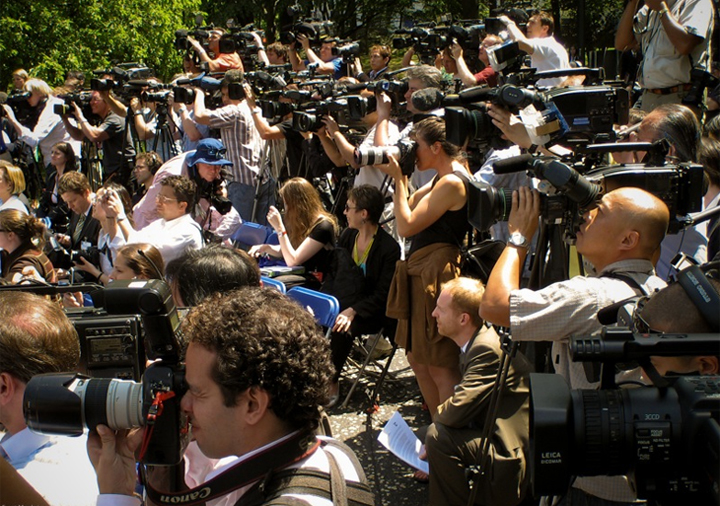
Photo by Ernst Moeksis
That is a question I get asked frequently.
Most startup founders are unsure when is the right time. Launch too early and there may not be features sticky enough to sustain a following. However, launch too late and suffer the consequence of being ignored.
The truth is that there is no one time that fits all. Various mitigating factors may influence the countdown to d-day, like system bugs, user demographics, industry nuances, and even superstition. But in my humble opinion, it should be as soon as possible.
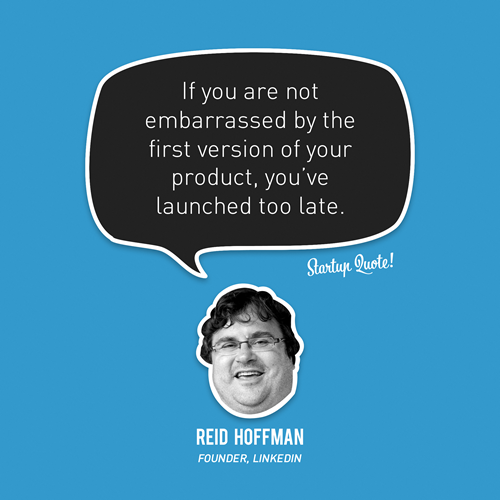
Reid Hoffman, founder of LinkedIn, said “if you are not embarrassed by the first version of your product, you’ve launched too late.”
Getting out there to face public scrutiny is the best market validation test. So what if it has only one key feature ready? Being in indefinite stealth mode means the product won’t get the chance to get feedback and improve. If it is good enough, early users or the media could be tempted to wait for the rest of the suite of services to be deployed.
More often than not, first-mover advantage is king. Being able to be the first in a category is one good way to capture the attention of the press. Beyond that, it aids in brand recall for users. If the startup survives to maturity, the title of first-of-anything denotes your trailblazing ability to define an industry.
Creating hype early on is not only to meet users, it is a chance to impress investors and partners. The main perk of being featured in a reputable media outlet is that you get more credibility. It aids in pitches to mention that you were covered by this prestigious newspaper and featured on that popular news site.
One good example is Popcorn Time, a torrent-based, entertainment service that brings movies and TV shows to the masses for free. It was hastily launched with many bugs and a huge legal cloud hanging over its head – conventional wisdom will suggest a rethink. Yet its simple user interface and mass media coverage made it a household name.
To make the point even further, it was in fact forced to shut down in the US due to its blatant flouting of copyright laws. Yet, as soon as it was gone, it rose like a phoenix in Europe to be bigger and better than ever. It even now claims that it will never be shut down, to the cheers of its many users and supporters.
So what do you need to get the media and eventually the world excited?
First, a demo or a minimum viable product is needed. Something that the press can test out, ideally, even before the rest of the world gets to.





Stay updated on the go with our mobile app.
Get latest insights with smoother, more personalized experience through TIA mobile app.