 Hwee Tan · · 4 min read
How startups play a key role in Indonesia’s payments scene


Photo credit: Flickr/Daniel Giovanni.
Cash is the main method of payment in Indonesia. But some notable startups are leading the country’s payment revolution.
The statistics that show cash is king are striking: There are about 260 million people in Indonesia but only about 17 million credit cards. There are about 143 million debit cards in circulation, but you can’t use them for online shopping. Less than 60 percent of the population has a bank account.
Indonesians can’t take advantage of cashless payments, but that could change with startups that provide alternative methods to pay.
Exploiting simplicity

Mandiri Capital director Eddi Danusaputro (L) with Teddy Tee, co-founder and CEO of Cashlez. Photo credit: Tech in Asia.
One startup that is helping drive Indonesia toward a cashless society is Cashlez, with pioneering mobile point-of-Sale (mPOS) systems. It helps solve one of the problems Indonesia faces in its cashless mission – many merchants don’t accept cards.
In the past two decades, the only device you could use for card payments was the EDC (electronic draft capture). For fast-growing small and medium enterprises, it can be hard to apply EDC due to its selective and high requirements. Merchants also tend to dislike the EDC because it’s a hassle to maintain. For example, you need an engineer to set up the device and visit regularly for software updates.
To encourage more merchants to use card readers, Cashlez developed a device that is easy to use. The card reader uses an app on the merchant’s phone which can be installed with a few simple taps. It accepts most cards from different banks, including debit, Visa, and Mastercard. Cashlez started testing the product in April 2016 with 50 customers and now provides the card reader to more than 1,000 merchants, mainly in the retail and tourism industry. The company plans to distribute around 4,000 card readers to Indonesian businesses.
Leveraging an extensive agent network

Photo credit: Kudo.
More Indonesians are being empowered to pay online and Indonesian startup Kudo is cashing in on this trend by allowing people without a credit card, bank account, or even internet access to buy online.
Kudo does this by setting up point-of-sale kiosks in public places that enable customers to buy online goods. The kiosks accept different forms of payment, including cash.
Kudo also enables online payments through its agent network. Kudo agents use an app on their phones to sell products to customers using the Kudo site. Kudo’s network is quite impressive – it currently has over 400,000 agents in over 500 towns and cities in Indonesia. Ride-hailing company Grab, which is growing its digital payments capabilities, acquired Kudo for a high double-digit million sum in April this year.
Online payments giant

Photo credit: Doku.
It’s not just consumers who are moving towards cashless payments. Big corporations are embracing them too. Doku, a major pioneering player in Indonesia’s digital payments scene, is part of this trend. 80 percent of Doku’s customers are big corporations with a high volume of complex monthly transactions. The other two startups we’ve profiled here are mainly consumer-facing but Doku is notable for being a major player in the business arena.
Apart from big corporate clients, Doku is also interested in serving SMEs. It does this through MyShortCart, which gives merchants the ability to let their customers pay via credit cards, bank transfers, convenience stores, and ATM transfers. The product mainly targets merchants who sell their products via social media networks like Facebook.
Doku’s significant impact on Indonesia’s payment scene is evident in the more than 1 million Indonesian customers using its product and its partnership with more than 22,000 merchants. It has already surpassed US$1.1 billion in total transactions and services clients like AirAsia, Sinar Mas Land, Oppo, and Indonesian Idol.
Indonesia’s digital economy is aiming to reach an expected target of US$130 billion in ecommerce transactions by 2020. It’s currently hampered by the fact that most Indonesians don’t use cashless payment methods. The three startups profiled here could change all that, leading to a transformation in Indonesia’s payments.
This is part of Tech in Asia’s coverage of Finspire 2017 held on 18 and 19 October 2017.
FINSPIRE 2017 is the yearly event held by Mandiri Capital Indonesia, a subsidiary of Bank Mandiri, to accelerate fintech development in Indonesia. It brings together financial technology organizations, startups communities, and fintech enthusiasts to discuss the future of financial technology in Indonesia.
MCI aspires to help grow the Indonesian fintech startup ecosystem and accelerate the creation of products and services that will support the banking and financial industry.
To find out more about FINSPIRE and MCI, visit their main website.

Kudo
Acquired by Grab in 2017, Kudo is a platform that provides opportunities to millions of Indonesian to grow their current business through technology.
- Location
- Indonesia
- Founded
- 2014
- Employees
- 501 – 1,000
- Website
- www.grab.com/id/en/kudo
- Latest Funding
- M&A
- Hiring
- 0 positions
Stay updated on the go with our mobile app.
Get latest insights with smoother, more personalized experience through TIA mobile app.
Recommended reads
 Lazada-backed Dana finds new momentum as it looks beyond payments
 How Shopee’s sleeping giant struck while its rivals fought fire
 With regulations sharply rising, Ant Group’s Asia investees are more important than ever
 Akulaku partners with Alipay+ for BNPL service
 Ninja Van teams up with NearMe for e-payment services in Myanmar
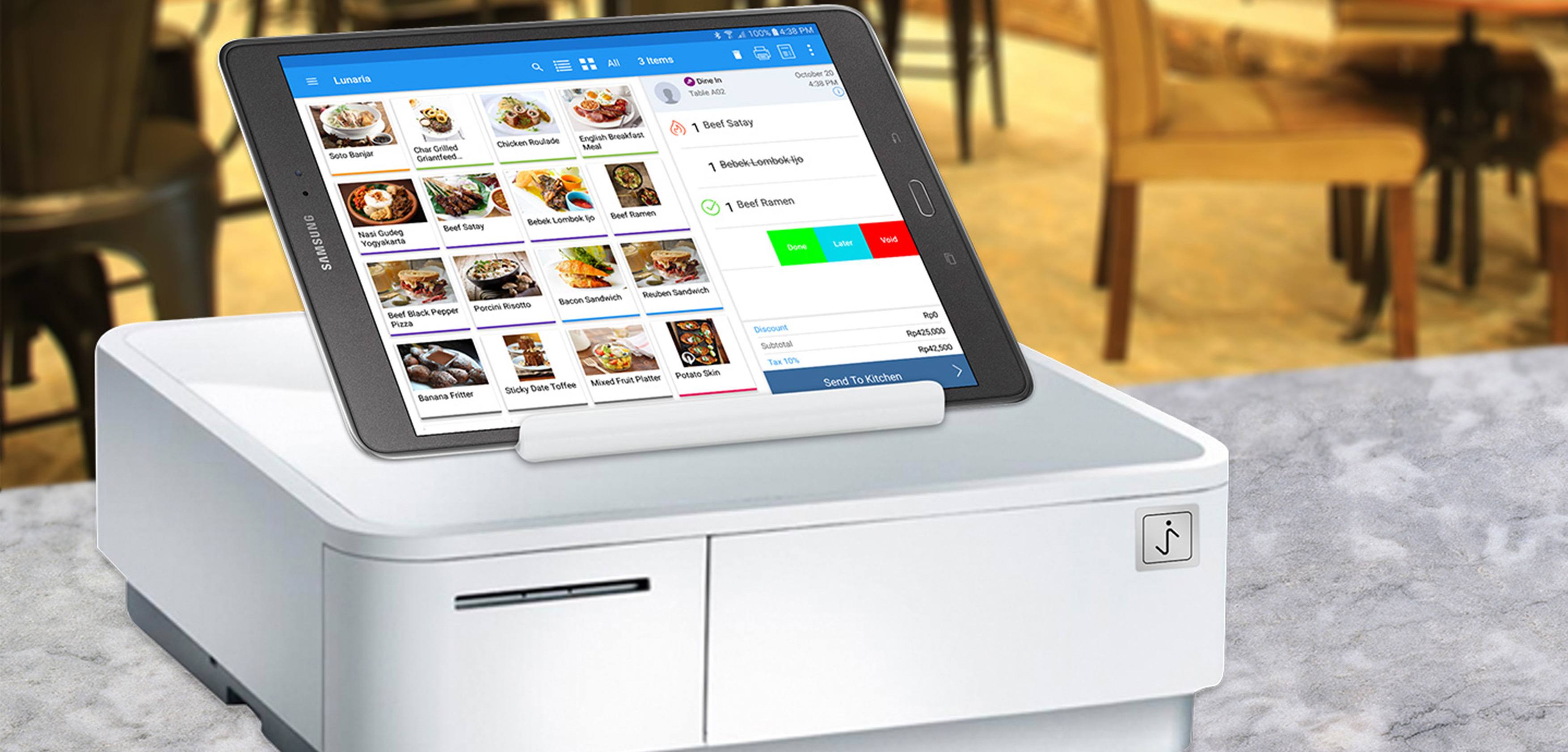 Indonesia’s iSeller bags series A round from Openspace Ventures, Mandiri Capital
- Chinese regulator asks Ant Group to return to payment services roots
 Gojek launches new POS device GoBiz Plus for MSMEs in Indonesia
 The SME opportunity for Singapore’s digibank hopefuls
 Singapore to open payment rails for NFIs like GrabPay, Razer Fintech, Singtel Dash





Editing by Michael Tegos and Jum Balea
(And yes, we’re serious about ethics and transparency. More information here.)




📅 Upcoming Events
22 October 2026
Payoneer x CSPN Summit 2026