Glenn Kaonang · · 3 min read
Startup takes tariffs in stride with AI-designed, 3D-printed shoe
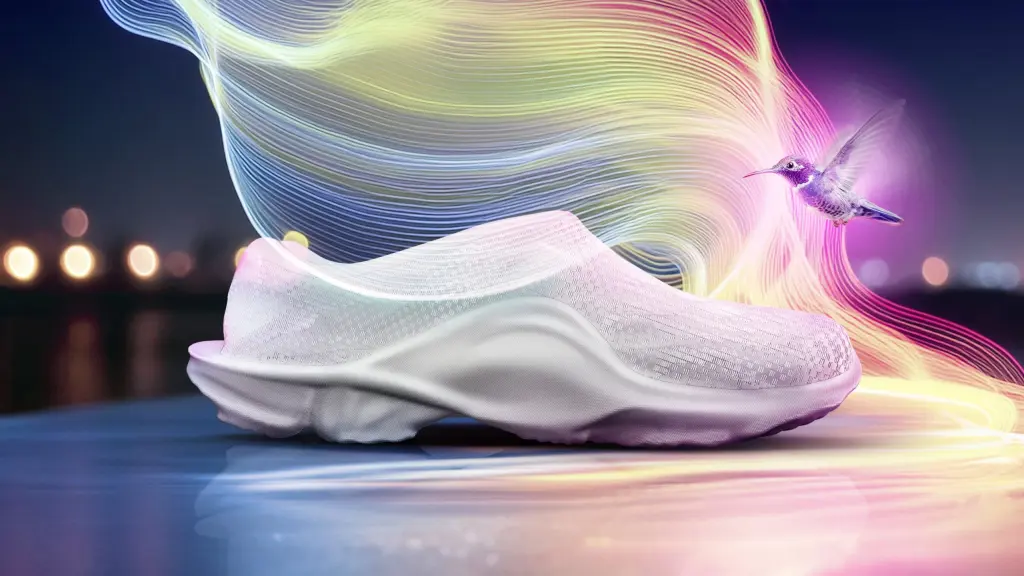
Syntilay Luminez / Photo credit: Syntilay
Syntilay, a US-based footwear startup, has launched a pair of sneakers that it claims to be “95% designed by AI” – the latest attempt at disrupting traditional shoe manufacturing through automation and 3D printing.
Called Luminez and priced at US$189, the new product follows the company’s first design, which was rolled out in January. Luminez went through over 100 AI-generated iterations before human designers converted the final output into something printable, says Syntilay founder and CEO Ben Weiss.
The startup’s AI-assisted approach comes as trade tensions create manufacturing headaches for major brands. Reebok founder Joe Foster, who advises Syntilay, argues that emerging tariff policies are forcing traditional manufacturers to reconsider their reliance on Asian production.
Foster sees 3D printing’s location flexibility as a key advantage over conventional manufacturing, which depends on established Asian factory networks. He notes that while tariffs can change overnight, relocating production facilities takes months and requires extensive worker training.
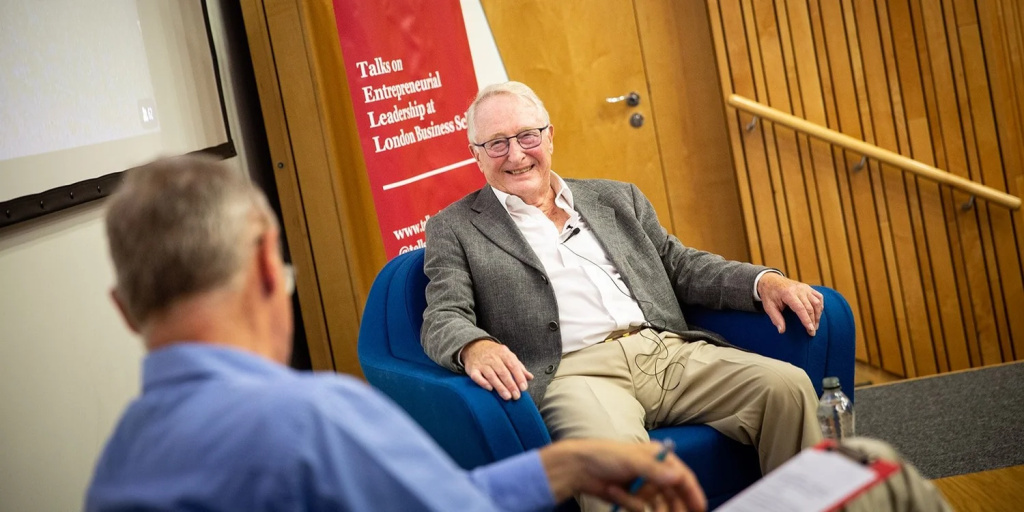
Reebok founder and Syntilay advisor Joe Foster / Photo credit: Joe Foster
Foster joined Syntilay after being impressed by Weiss’ determination to shake up an industry that the retired founder believes has grown stagnant.
“When you get as big as Nike, Adidas, or Reebok, you just become a numbers company run by accountants and lawyers. The thrill isn’t the same,” Foster tells Tech in Asia, highlighting the advantages of smaller players over established brands.
Foster points to scale as both an asset and liability for established companies. While brands like Adidas have experimented with 3D printing technology, they struggle to justify small production runs within their volume-driven business models.
But for startups, this constraint gives them room to maneuver and pivot quickly, he argues.
See also: Reebok founder–backed startup to design shoe in space
Syntilay operates on a shoestring budget, with Weiss contributing around US$60,000 of personal funds alongside six-figure investments from family and friends. The company has sold products across 14 countries since January. Though Weiss won’t disclose specific figures, Syntilay has generated roughly half its revenue from US customers.
Foster considers US market acceptance crucial to Syntilay’s plans for global expansion. “If we break into America and America takes it – and I know this from my experience – everybody will want that,” he says. However, he also acknowledges that convincing customers to pay around US$200 for a relatively unknown brand is a challenge.





Stay updated on the go with our mobile app.
Get latest insights with smoother, more personalized experience through TIA mobile app.