- Premium Content It takes our newsroom weeks - if not months - to investigate and produce stories for our premium content. You can’t find them anywhere else.
 Melissa Goh · · 7 min read
The startup putting robo-eyes on wind turbines and retail shelves
In some parts of the world, technicians climb up and rappel down wind turbines as high as 35 stories with nothing more than ropes and a harness to keep them safe. They risk their lives to inspect these giant machines, using hammers to check for cracks or defects. It’s a demanding job that’s largely menial and can take hours to complete.
As workforce shortages and rising repair costs drive more energy companies to seek alternatives, one firm hopes to change the game through a combination of robotics, drone technology, computer vision, and AI.
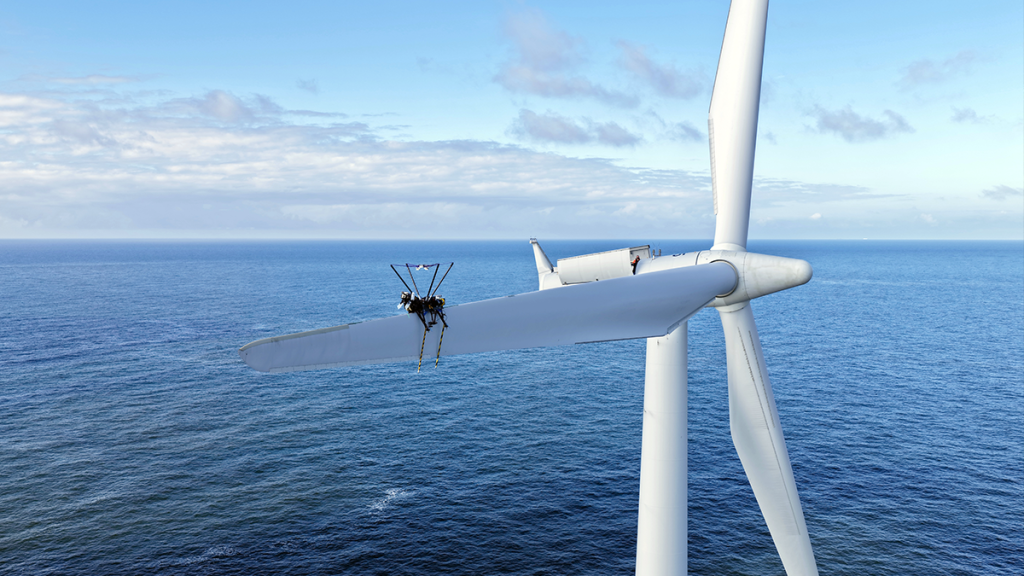
Sparrow, one of Clobotics’ three inspection robots / Photo credit: Clobotics
Founded in Shanghai and Seattle in 2017, Clobotics says it can save companies time and money by capturing more data with less human labor. The startup is also applying the same tech to retail, counting major brands like Coca-Cola and P&G as clients.
With over US$80 million raised so far from investors like Granite Asia, Clobotics is solidifying its presence in Singapore, where the company relocated its headquarters four years ago.
Clobotics is exploring a potential IPO in the city-state and plans to grow its local team from under 10 to 30 by the end of 2026, primarily hiring in engineering and customer success, founder and CEO George Yan tells Tech in Asia.
The startup is also in the middle of raising a series B round, which it expects to close this year. Proceeds will go into expanding its go-to-market team and building more robots, Yan shares.
It’s like “WindGPT”
Clobotics offers three types of robots for wind turbine inspections. Kiwi, a 6-kilogram robot, can crawl into the machines to check the interiors for cracks or other flaws using high dynamic range cameras and LED lighting.
The Sparrow, meanwhile, is a robot air-lifted by a drone, which then lands precisely on a wind blade and “hugs” it to apply a layer of protective film.
“To do actual repair is pretty expensive with humans,” says Yan. “With the robot being able to replace 80% of what a human does and do at a speed that’s 6x faster … that’s become a huge growth driver for us.”
He adds that it would take a drone around 17 minutes to perform an external inspection of one wind turbine compared to a human, who would need two hours.
Yan owes his understanding of various drone scenarios – consumer, commercial, and passenger – to his experience as co-founder and COO of autonomous aerial vehicle firm EHang. That’s why it was clear to him from the start how important it was for Clobotics to “zoom in on one scenario that [it] can do really well.”
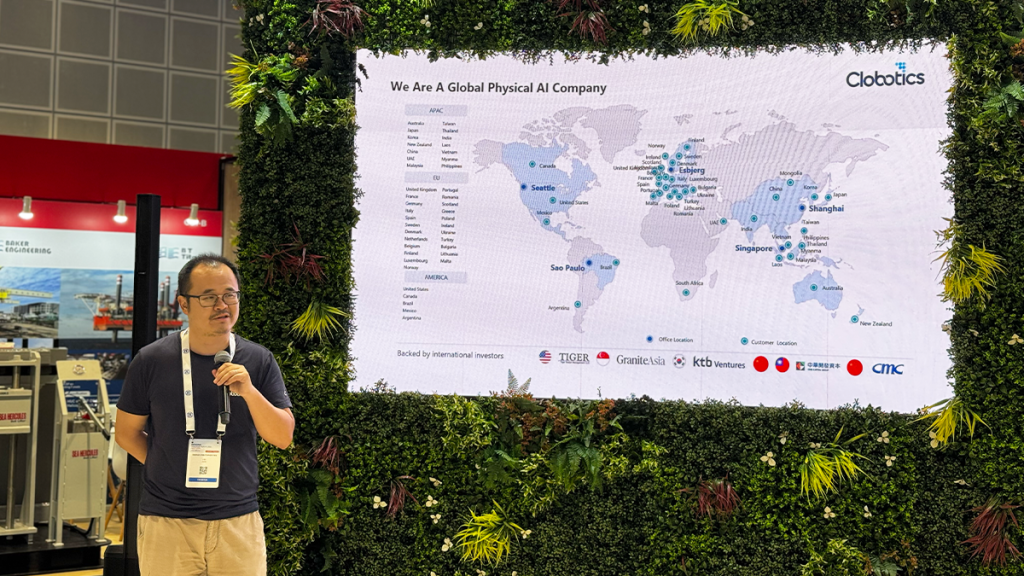
Clobotics founder and CEO George Yan / Photo credit: Clobotics
The retail front
The opportunity
Stay ahead in Asia’s tech landscape
This is premium content. Subscribe to read the full story.
Computer vision firm Clobotics is raising a series B that’s expected to close this year. Next up, it’s eyeing an IPO, potentially in Singapore.
We know this is not ideal. ⌛ Sign up in 20 seconds. Cancel anytime.
Our subscriber community includes professionals from these companies:





Stay updated on the go with our mobile app.
Get latest insights with smoother, more personalized experience through TIA mobile app.