 Paul Bischoff · · 2 min read
Chinese parking app rolls out on-demand valet service with fresh $2.6M funding

Chinese parking assistant startup Tingchebao announced today it secured an RMB 16 million (US$2.6 million) series A round of funding, according to CYZone. Ping An Ventures, the venture capital arm of insurance and banking company Ping An Group, led the round, followed by Yonghua Capital
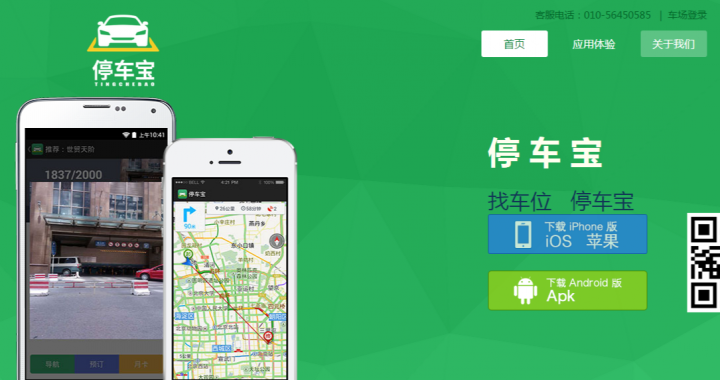
Tingchebao, which literally translates to "parking treasure," was founded in April last year in Shanghai, and now operates in Beijing, Tianjin, Hangzhou, Guangzhou, Shenzhen, and other cities. It is a location-based app that locates nearby parking spaces. It shows the prices and lets users reserve spots in advance. Monthly subscribers pay a flat fee for unlimited parking.
With this latest funding, Tingchebao will roll out its newest service: on-demand valet parking. It works using an Uber-like on-demand model, where the customer pings the nearest valet as he or she nears the destination, typically in a place where parking spaces are sparse. The valet meets the driver, hands over the keys, and finds a suitable parking spot. When drivers are ready to depart, he or she pings the valet again to bring the car around.
The model is based on a handful of likeminded valet startups from the US, including Luxe Valet, Zirx, and Vatler. Luxe Valet in late February secured a US$20 million series A round of funding. Startups like SpotHero and Parking Duck have a distinctive model from the valet startups – they function more like an Airbnb for unused parking spaces – but their target markets overlap.
To start out, Tingchebao is initially targeting large hospitals, where drivers are often in a hurry, parking lots are crammed full, and there’s a good chance of finding repeat customers.
China’s rising middle class means people there are now buying cars at a faster rate than the US and with much more room to grow. The China Association of Automobile Manufacturers expects new-car sales to rise 8 percent to 21.3 million units this year, according to Bloomberg.
As a result, China’s major cities can hardly keep up with demand for parking spaces. In Beijing, it can take weeks or even months to be granted a license in the state-run lottery system – a method of slowing the introduction of cars onto the streets. Cars lined up on pedestrian sidewalks and bicycle paths are a common sight.
(Source: CYZone)





Stay updated on the go with our mobile app.
Get latest insights with smoother, more personalized experience through TIA mobile app.









📅 Upcoming Events
22 October 2026
Payoneer x CSPN Summit 2026